Aquiles Ralli Cupani: Painting the Life of Callao
Aquiles Ralli Cupani portrayed workers, children, florists, ports, and rural life through a restrained palette and a deeply humane vision of Peruvian identity.
- Aquiles Ralli
- Callao
- Peruvian painting
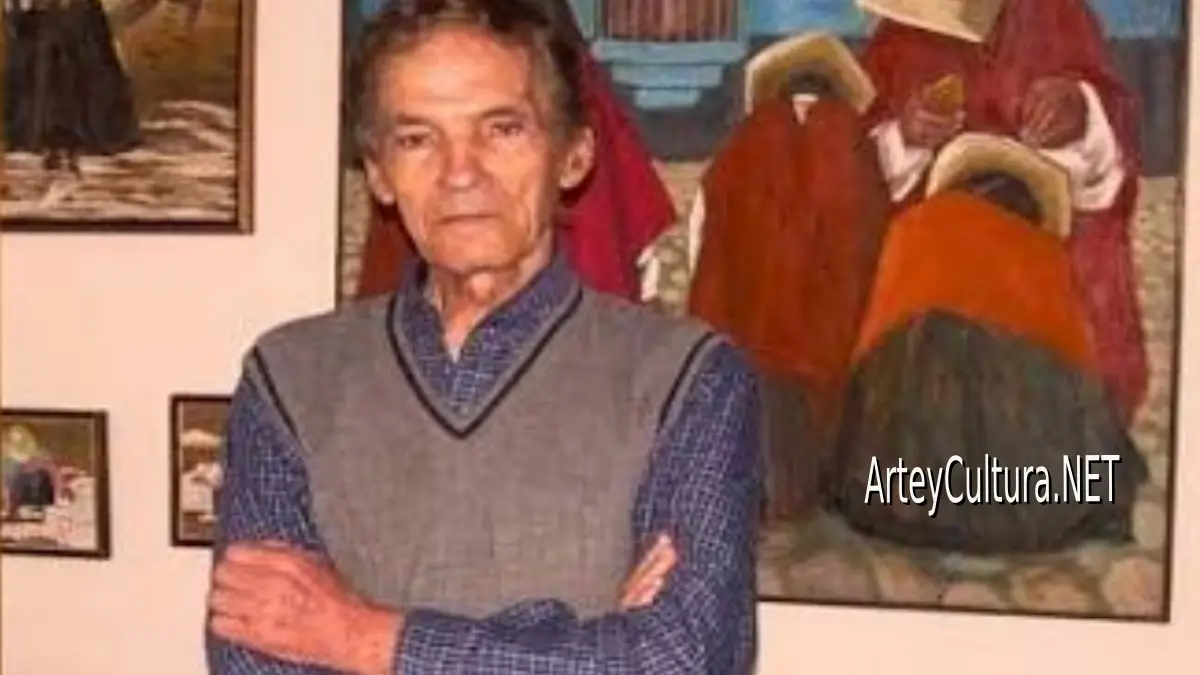
Aquiles Ralli Cupani was born in Callao on July 1, 1925, and died on August 28, 2010. The son of Greek immigrants, he built a pictorial language rooted in Peru’s port, rural communities, and everyday workers. His art made ordinary life monumental without stripping it of intimacy.
Formation and the 1943 generation
Ralli entered the National School of Fine Arts in 1943. His formation unfolded in the wake of José Sabogal’s influential Indigenist project and in dialogue with figures such as Julia Codesido. He belonged to the group often known as Asociación 43, whose artists reconsidered national identity amid rapid cultural change.
Subjects of dignity
Children, flower sellers, laborers, fishermen, mothers, streets, and coastal landscapes recur throughout his work. Ralli did not turn these subjects into folklore. Through posture, silence, and attentive composition, he gave them psychological weight and acknowledged the dignity of lives frequently overlooked by official images.
Video: A survey of Ralli’s paintings
This language-neutral visual sequence gathers representative works by Aquiles Ralli. Viewed together, they reveal recurring ochres, muted reds, compact figures, and the quiet gravity that unifies his varied subjects.
Palette and construction
Ralli’s restrained colors often evoke earth, weathered walls, port atmosphere, and work-worn clothing. The apparent sobriety is carefully modulated: warmer accents guide the eye, while stable silhouettes give figures permanence. His “Peruvianism” arose from lived observation rather than decorative symbols.
Callao and public recognition
Callao was more than his birthplace. Its maritime culture and mixture of peoples offered a model for belonging that was both local and open to the world. In 2010, recognition from the regional government acknowledged a career that had made the port’s human landscape part of Peru’s visual memory.
Video: Sabogal and Peruvian Indigenism
This Spanish presentation explains the Indigenist movement associated with José Sabogal. It supplies essential context for understanding the tradition Ralli inherited, questioned, and transformed through his own attention to coastal and working-class life.
The legacy of Aquiles Ralli
Ralli’s legacy rests on sustained empathy joined to pictorial discipline. He showed that national identity can be painted through specific bodies, gestures, and places rather than grand declarations. His canvases preserve a social world while continuing to ask viewers how closely they are willing to look at another person’s life.