Carlos Germán Belli: Classical Form and Modern Life
Carlos Germán Belli combined Renaissance forms, bureaucratic routine, machines, bodily need, humor, and tenderness in a singular Peruvian poetry.
- Carlos Germán Belli
- Peruvian poetry
- Generation of 1950
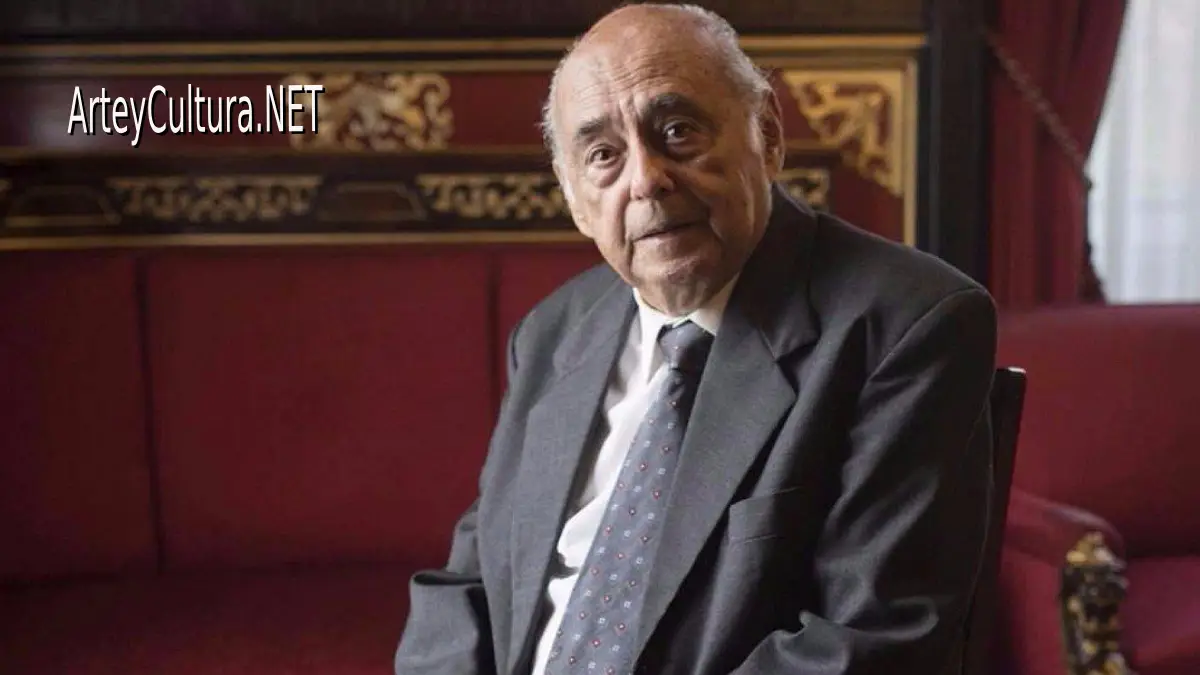
Carlos Germán Belli de la Torre was born in Lima on September 15, 1927, and died on August 10, 2024. Poet, journalist, translator, and teacher, he belonged to Peru’s Generation of 1950 and created a singular Spanish-language voice by placing ancient forms inside modern work and need.
Education and bureaucratic life
Belli studied at San Marcos and the Pontifical Catholic University of Peru. For more than two decades he transcribed documents in public administration. Repetitive tasks, hierarchy, and economic limitation became material for a poetic speaker caught inside impersonal systems.
Ancient language for modern experience
Sestinas, hendecasyllables, inverted syntax, and Renaissance vocabulary coexist with machines, technical terms, exhausted bodies, and office routine. The collision produces humor, estrangement, and compassion. Classical form does not escape the present; it makes its indignities more visible.
Video: The poet and his readings
This Spanish interview reveals Belli’s measured voice and literary affinities, clarifying the deliberate craft behind apparently eccentric language.
Books and recurring concerns
His collections include Poemas, ¡Oh hada cibernética!, El pie sobre el cuello, Sextinas y otros poemas, En alabanza al bolo alimenticio, Los talleres del tiempo, and ¡Salve, Spes!. Inequality, love, family, time, the body, and hope repeatedly return.
Video: Homage to a career
This Spanish tribute combines biographical memory and poetry, showing how intensely personal circumstances reached readers without losing formal strangeness.
Care and ethical tenderness
His brother Alfonso, who lived with a disability, appears within a poetry shaped by care. That relationship deepens the ethical dimension of a language sometimes mistaken for pure verbal play.
The legacy of Carlos Germán Belli
Belli proved that tradition and experiment are not enemies. He reactivated centuries-old structures to express precarity and contemporary hope. His immediately recognizable language remains learned and colloquial, grave and comic, bodily and spiritual at once.