José María Arguedas: A Peru of All Bloods
José María Arguedas transformed Peruvian literature and anthropology by carrying Quechua language, music, memory, and modern conflict into Spanish.
- José María Arguedas
- Peruvian literature
- Quechua culture
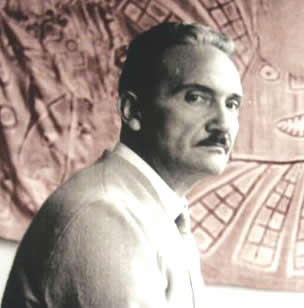
José María Arguedas Altamirano was born in Andahuaylas on January 18, 1911, and died in Lima on December 2, 1969. Writer, anthropologist, translator, educator, and cultural administrator, he devoted his work to a Peru where languages and ways of life coexist through conflict and transformation.
Childhood between languages
His mother’s early death and his father’s absences marked childhood. Living closely with Quechua communities, he learned the language from within and encountered songs, rituals, affection, and relationships with the natural world that official society devalued. He wrote from complex belonging rather than external exoticism.
Anthropology and public work
Arguedas studied literature and ethnology at San Marcos, taught, researched communities and festivals, and directed cultural institutions. He collected songs, translated Quechua poetry, and studied cultural change. Anthropology and fiction fed each other.
Video: Conflict and convergence
This English scholarly lecture examines Arguedas through Deep Rivers, emphasizing the unresolved meeting of languages, communities, and historical forces.
Transforming literary Spanish
In Water, Yawar Fiesta, Deep Rivers, The Sixth, All Bloods, and The Fox from Up Above and the Fox from Down Below, Arguedas carried Quechua rhythm and perception into Spanish. This was more than inserted vocabulary: syntax, sound, viewpoint, person, community, and landscape all changed.
Video: Reading All Bloods
This Spanish analysis maps the novel’s ambitious encounter among landowners, Indigenous communities, foreign capital, and competing projects of modernization.
Music, cultural survival, and change
Arguedas treated dance and song as living archives. His work helped performers and traditions enter institutions that had ignored them. In his 1968 Inca Garcilaso Prize speech, “I am not an acculturated man” summarized a modern identity unwilling to abandon its Quechua root.
The legacy of José María Arguedas
Arguedas renewed narrative and left foundational anthropological records. He showed that Peruvian cultures are not static remains: they adapt, suffer, create, and converse. Reading him means imagining a nation able to hear all its voices without forcing one to silence another.