Camilo Blas: Painter of Everyday Peru
Camilo Blas observed markets, festivals, landscapes, and working people with the color, precision, and humanity of Peruvian Indigenist painting.
- Camilo Blas
- Peruvian painting
- Indigenism
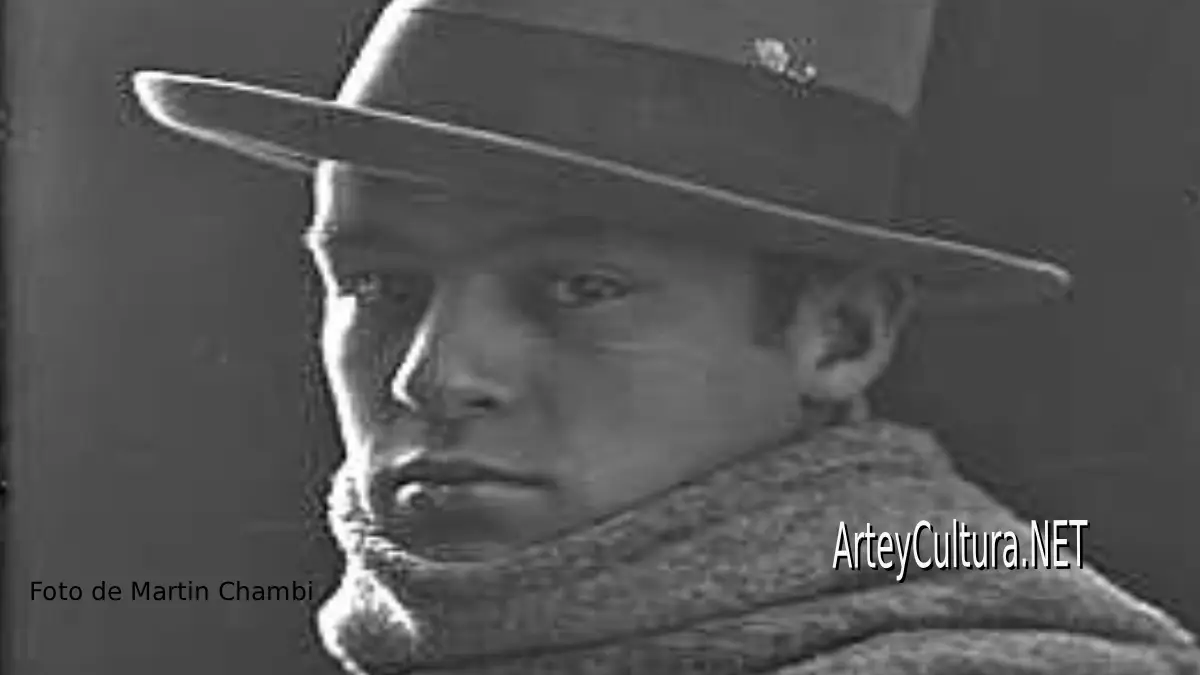
José Alfonso Sánchez Urteaga, known as Camilo Blas, was born in Cajamarca on March 19, 1903, and died in Lima on July 26, 1985. Painter, draftsman, and teacher, he became an important figure in Peruvian Indigenism and a careful observer of ordinary life.
Cajamarca and early looking
His uncle, painter Mario Urteaga, showed him that local scenes could become serious artistic subjects. Cajamarca’s countryside, buildings, celebrations, and inhabitants entered his visual memory. Blas completed legal studies in Trujillo before fully committing to art.
Fine Arts and Indigenism
At Lima’s National School of Fine Arts, he studied during Daniel Hernández’s directorship and later with José Sabogal. Indigenism placed Peruvian people, landscapes, and cultures at the center of modern art. Blas contributed an especially attentive eye for custom, gesture, and color.
Video: Origins and formation
The first part of this Spanish TVPerú documentary reconstructs his family setting and artistic education through photographs and testimony.
The “highland Pancho Fierro”
The nickname recognizes the breadth of his visual record: vendors, musicians, processions, farmers, streets, and festivities. Yet Blas was not merely documentary. He selected gestures, simplified forms, and organized color so observation became composition rather than inventory.
Video: Mature work and recognition
The documentary’s second part follows his production and shows the continuity of his interests without reducing the people represented to types.
Technique and teaching
From 1933 he taught visual art for many years and eventually directed the National School of Fine Arts. Oil, watercolor, pastel, and drawing offered distinct possibilities: transparency for landscape, linear precision for figures, and dense color for collective scenes.
The legacy of Camilo Blas
Blas helped consolidate an iconography of everyday Peru and trained later artists. His legacy shows that observing custom does not require freezing it. Rhythm, color, and individual presence turn a local scene into shared cultural memory.