Pyotr Ilyich Tchaikovsky: Emotion and Musical Architecture
Pyotr Ilyich Tchaikovsky united memorable melody, orchestral color, formal discipline, and emotional complexity across ballet, opera, and symphony.
- Pyotr Ilyich Tchaikovsky
- classical music
- ballet
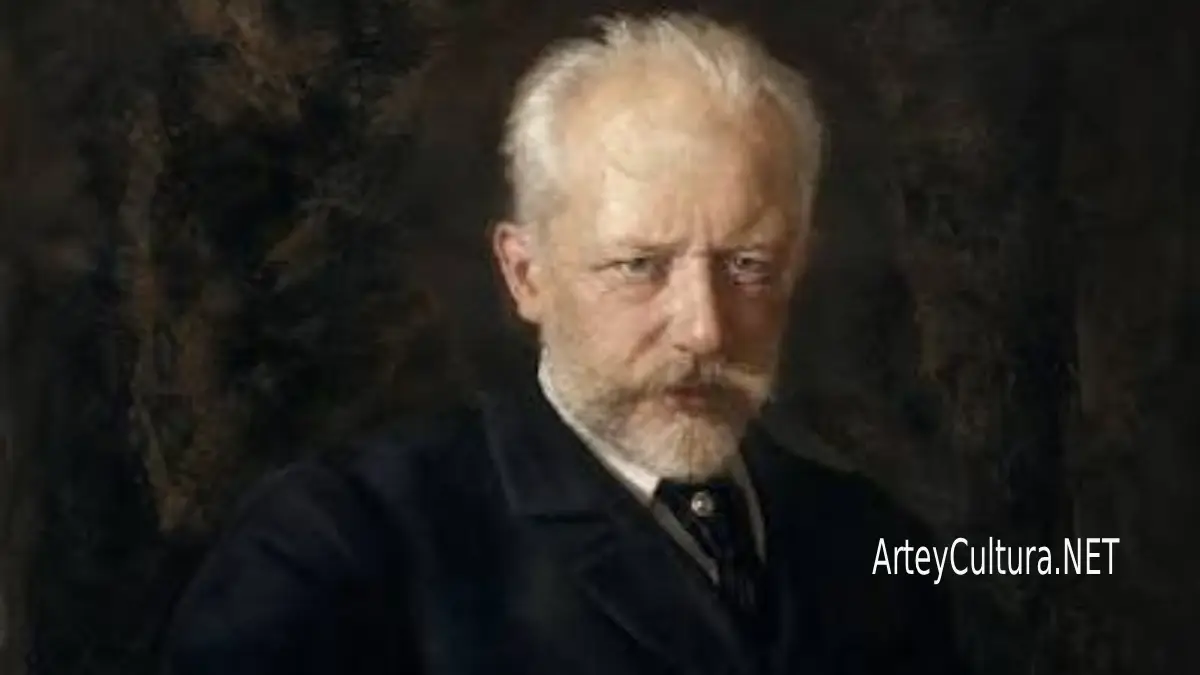
Pyotr Ilyich Tchaikovsky was born in Votkinsk in the Russian Empire on May 7, 1840, and died in Saint Petersburg on November 6, 1893. His ballets, symphonies, concertos, and operas join memorable melody to rigorous architecture and finely controlled emotion.
From civil service to music
Tchaikovsky studied piano early, but his family directed him toward law and administration. He worked at the Ministry of Justice before entering the Saint Petersburg Conservatory in 1862. Systematic study of harmony and orchestration distinguished him from self-taught Russian nationalist contemporaries.
A voice between Russia and Europe
He admired Mozart and mastered Western forms while drawing upon Russian song, rhythm, and color. Critics sometimes called him too European or too emotional. That contested double belonging became productive: formal design and intimate expression continually test one another.
Video: The creation of a musical voice
This opening segment of an English documentary introduces Tchaikovsky’s development and historical setting. The upload is labelled as the first of seven segments of the documentary’s first part; it should be viewed as an introduction, not as a complete account of his life.
Ballet as symphonic drama
Swan Lake, The Sleeping Beauty, and The Nutcracker gave ballet unusual musical density. Recurring motives, dramatic development, and orchestral characterization support dance without functioning as mere accompaniment.
Video: Swan Lake in performance
This Kirov Ballet production shows score, choreography, acting, and design working together. The swan theme changes with love, fate, and threat rather than remaining an isolated tune.
Concerts, operas, and private conflict
The First Piano Concerto, Violin Concerto, Romeo and Juliet, 1812 Overture, Eugene Onegin, The Queen of Spades, and six numbered symphonies expanded his reputation. His homosexuality and disastrous marriage unfolded in a punitive society, while patron Nadezhda von Meck sustained him through financial support and extensive correspondence.
The legacy of Tchaikovsky
Private pain cannot explain the music by itself; emotion is organized through craft. Tchaikovsky elevated ballet and created orchestral narratives of exceptional clarity. Popularity has not exhausted their complexity: thematic transformation, structure, and instrumental color reward repeated listening.