Fernando de Szyszlo: Abstraction and Pre-Columbian Memory
Fernando de Szyszlo created an abstract language where modern painting meets the ritual spaces, shadows, and ancestral memory of Peru.
- Fernando de Szyszlo
- Peruvian art
- abstract painting
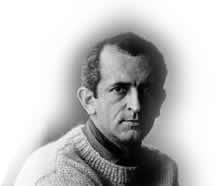
Fernando de Szyszlo Valdelomar was born in Lima on July 5, 1925, and died there on October 9, 2017. Painter, sculptor, printmaker, and teacher, he was decisive in establishing abstraction within Peruvian and Latin American art.
Discovering painting
Szyszlo began studying architecture at the Escuela de Ingenieros. Drawing classes at the Pontifical Catholic University of Peru, where he studied with Adolfo Winternitz, redirected his vocation toward painting. His first solo exhibition took place in 1947. Travel to Paris brought him into direct contact with European abstraction, Surrealism, and Latin American artists seeking modern languages rooted in their own histories.
An abstraction born from Peru
He did not copy archaeological objects. Instead, pre-Columbian cultures supplied a sense of ritual space and tensions among life, sacrifice, and death. Dark forms suggest altars, knives, doors, or bodies without settling into one identity.
Video: Talent and discipline
In this Spanish conversation, Szyszlo argues that artistic identity grows through work, looking, and sustained standards rather than the impatient pursuit of novelty.
Color, series, and atmosphere
Deep shadow meets concentrated reds, blues, and sudden light. Series including Apu Inca Atawallpaman and Camino a Mendieta allowed him to revisit structures through changes in scale, tension, and color. Sculpture and printmaking extended the same vocabulary of suspended forms and eroded surfaces.
Video: A Peruvian cultural life
This Spanish TVPerú profile connects training, Lima’s intellectual life, and friendships with writers such as Mario Vargas Llosa.
Art and public responsibility
Szyszlo wrote, taught, defended cultural heritage, and participated in debates about democracy. Poetry and history fed the studio. Personal losses, including the death of his son Lorenzo, deepened a consciousness of mortality without turning paintings into literal autobiography.
The legacy of Fernando de Szyszlo
Szyszlo proved that abstraction could articulate Latin American experience without folkloric illustration. His lasting space is one of unresolved encounter: modernity and antiquity, matter and symbol, darkness and radiance remain active against one another.