Carlos Monsiváis: Chronicler of Mexican Culture
Carlos Monsiváis interpreted modern Mexico through political dissent, film, celebrity, urban crowds, humor, and the language of everyday life.
- Carlos Monsiváis
- Mexican literature
- cultural criticism
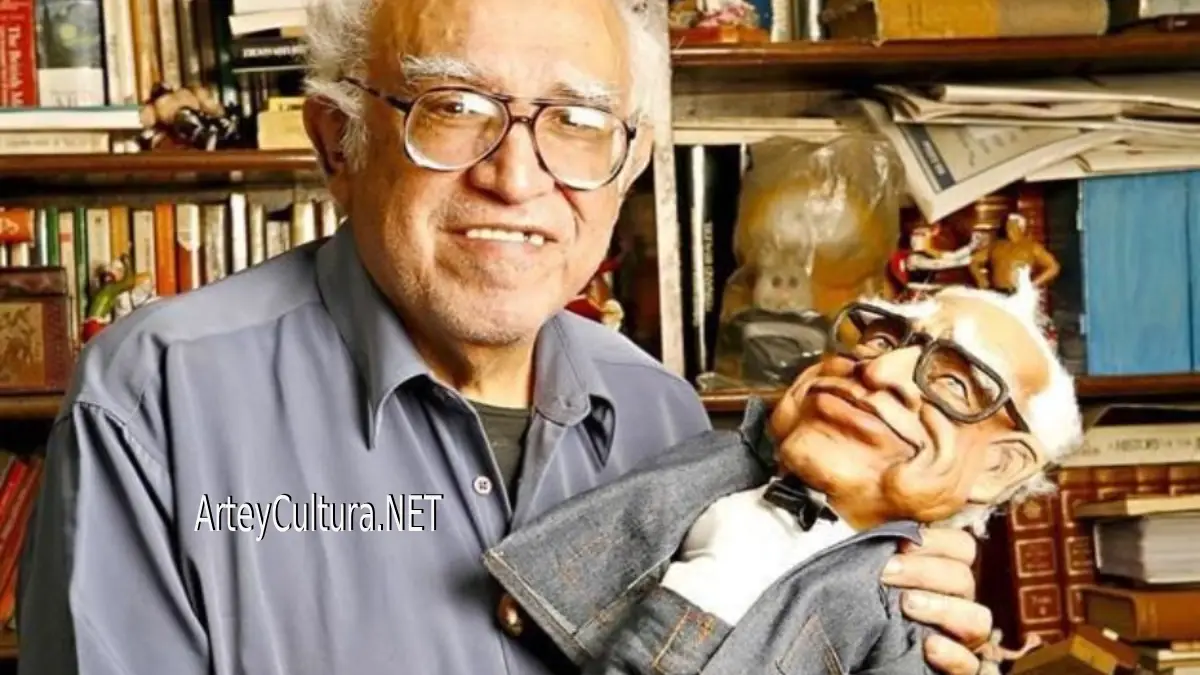
Carlos Monsiváis Aceves was born in Mexico City on May 4, 1938, and died there on June 19, 2010. A chronicler, essayist, journalist, and collector, he turned demonstrations, movies, songs, celebrities, and street language into evidence for understanding contemporary Mexico.
A public intellectual without solemnity
Monsiváis studied at the National Autonomous University of Mexico and worked across magazines, newspapers, radio, and university life. His vast reading connected literature, history, politics, and entertainment. Irony allowed him to enter public debate while resisting the authority of the distant intellectual.
Chronicle as interpretation
His chronicles do more than state what happened. They examine gestures, slogans, collective emotions, and the images through which events become memory. A march, earthquake, film star, or television ritual could disclose changes in class, belief, sexuality, and citizenship.
Video: A spoken portrait
This Spanish conversation captures his quick associations and verbal humor. Wit becomes a critical instrument for exposing cliché and power.
Books and central concerns
Major collections include Días de guardar, Amor perdido, Escenas de pudor y liviandad, Entrada libre, Los rituales del caos, and Aires de familia. He wrote about the 1968 student movement, earthquakes, democratization, national cinema, secular life, and sexual diversity.
Video: A life within Mexican history
This Spanish documentary combines photographs, testimony, and archival material, showing why his biography also records the transformations of late twentieth-century Mexico.
Collecting the overlooked
Monsiváis assembled photographs, caricatures, prints, miniatures, and popular objects. Now represented in the Museo del Estanquillo, the collection preserves visual histories that elite categories might discard.
The legacy of Carlos Monsiváis
His greatest achievement was to expand what deserved intellectual attention. Later chroniclers inherited his refusal to despise popular culture. A society, he taught, can be read through its jokes, idols, crowds, and improvised ways of occupying the street.