Juan Goytisolo: Literature, Exile, and Dissent
Juan Goytisolo renewed Spanish prose from exile, challenging official histories through experiment, cultural dialogue, and dissent.
- Juan Goytisolo
- Spanish literature
- exile
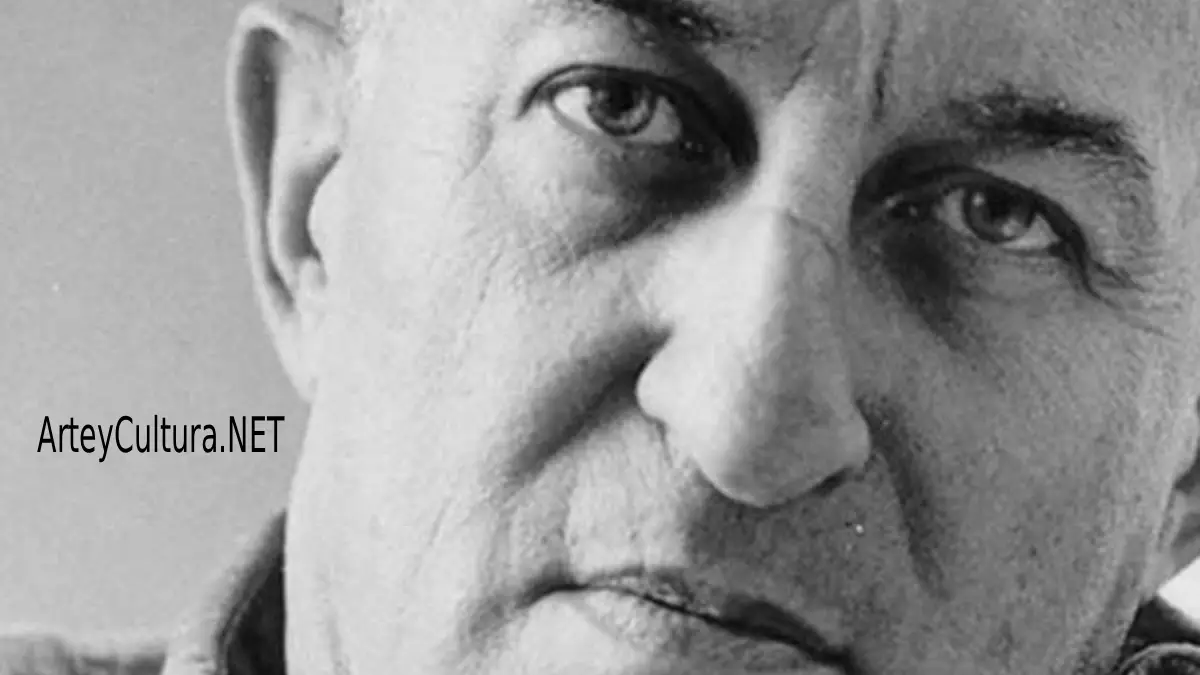
Juan Goytisolo Gay was born in Barcelona on January 5, 1931, and died in Marrakech on June 4, 2017. Novelist, essayist, memoirist, and reporter, he challenged official accounts of Spain and remade his prose through exile and intercultural encounter.
War, family, and early fiction
The Spanish Civil War marked his childhood, including the death of his mother in a bombing of Barcelona. His brothers José Agustín and Luis also became writers. Early novels such as The Young Assassins, Children of Chaos, and La resaca belong broadly to social realism and portray life under Francoism.
Exile as rupture
Goytisolo settled in Paris in 1956 and worked with Gallimard. Distance allowed him to question both his country and the language inherited from it. The trilogy beginning with Marks of Identity breaks chronology, punctuation, and stable narrative voice to dismantle imposed identity.
Video: A writer in conversation
This Spanish interview reveals that heterodoxy was not a public pose but a sustained method of reading, questioning, and writing.
Marrakech and oral culture
In Marrakech, Jemaa el-Fna introduced him to active traditions of storytellers, musicians, and changing audiences. He defended the Arab and Jewish dimensions of Spanish history, often excluded by myths of cultural purity, while refusing to idealize conflict between societies.
Video: An archival encounter
This Spanish interview from 1994 captures Goytisolo at intellectual maturity reflecting on identity, tradition, and the writer’s distance from convention.
Books and public intervention
His later work includes Makbara, Landscapes after the Battle, The Virtues of the Solitary Bird, and the memoirs Forbidden Territory and Realms of Strife. Open about his homosexuality, he linked personal emancipation to a wider critique of family, religious, and national norms.
The legacy of Juan Goytisolo
He received Spain’s National Prize for Letters in 2008 and the Cervantes Prize in 2014. His legacy is a literature unwilling to accept comfortable borders: renewing language meant revisiting history and listening to voices excluded from the official portrait of a culture.