Salvador Dalí and Gala: Creation, Desire, and Power
Salvador Dalí and Gala built an artistic, intimate, and commercial alliance that shaped Surrealist imagery and the modern artist persona.
- Salvador Dalí
- Gala Dalí
- Surrealism
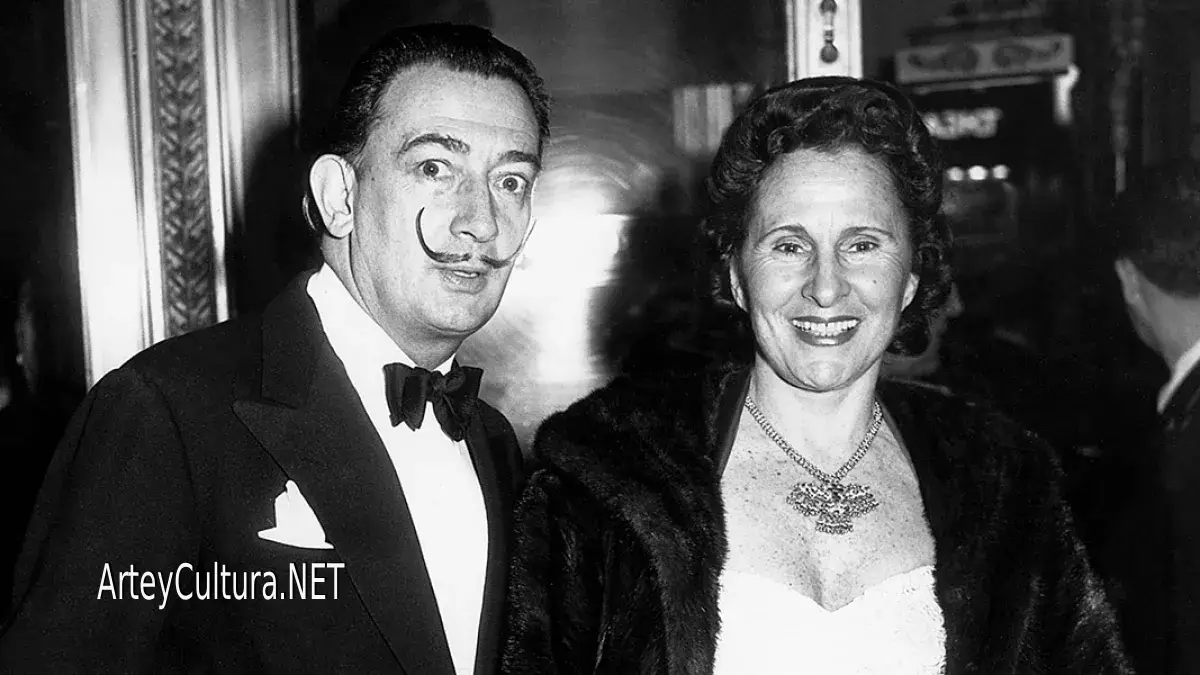
The relationship between Salvador Dalí and Gala was intimate, creative, commercial, and heavily mythologized. They met in 1929 when she visited Cadaqués with poet Paul Éluard. Their alliance subsequently shaped Dalí’s paintings, finances, and theatrical public identity.
Two lives before the encounter
Dalí was born in Figueres on May 11, 1904, trained in Madrid, and entered the Surrealist movement with formidable technical skill. Gala was born Elena Ivanovna Diakonova in Kazan on September 7, 1894. Already connected to avant-garde circles through Éluard, she did not enter Dalí’s life as a passive figure.
Marriage and Portlligat
They began living together in 1929, married civilly in 1934, and celebrated a religious marriage in Girona on August 8, 1958. Their Portlligat home expanded room by room into a landscape-shaped workshop and stage for daily rituals.
Video: A visual history of the couple
This largely language-neutral montage follows Gala’s recurring presence as portrait, sacred figure, classical character, signature, and intended viewer.
Beyond the word “muse”
Gala modeled for Galarina, Leda Atomica, and The Madonna of Portlligat, but she also negotiated, organized, and guarded commercial interests. Dalí sometimes signed works “Gala Salvador Dalí,” publicly acknowledging a shared project. Calling her only a muse erases that agency, while idealizing the partnership conceals conflict, infidelity, and unequal power.
Video: Genius as public construction
This Spanish documentary examines how discipline, provocation, media, and market combined in Dalí’s celebrity. Its contextual evidence is valuable despite the language exception.
Púbol and the final years
Dalí acquired Púbol Castle for Gala as her own residence. She died in Portlligat on June 10, 1982, and was buried at Púbol. His health and output declined afterward, and he died in Figueres on January 23, 1989.
Their complex legacy
Figueres, Portlligat, and Púbol form a physical map of their partnership. Together they invite a more exact account of authorship: Gala was model, manager, collaborator, and autonomous actor within a relationship where creation and control were inseparable.