

David Gates and the Carefully Crafted Sound of Bread
David Gates shaped the sound of Bread with intimate melodies, transparent arrangements, and songs whose emotional restraint still resonates.
- David Gates
- Bread
- soft rock
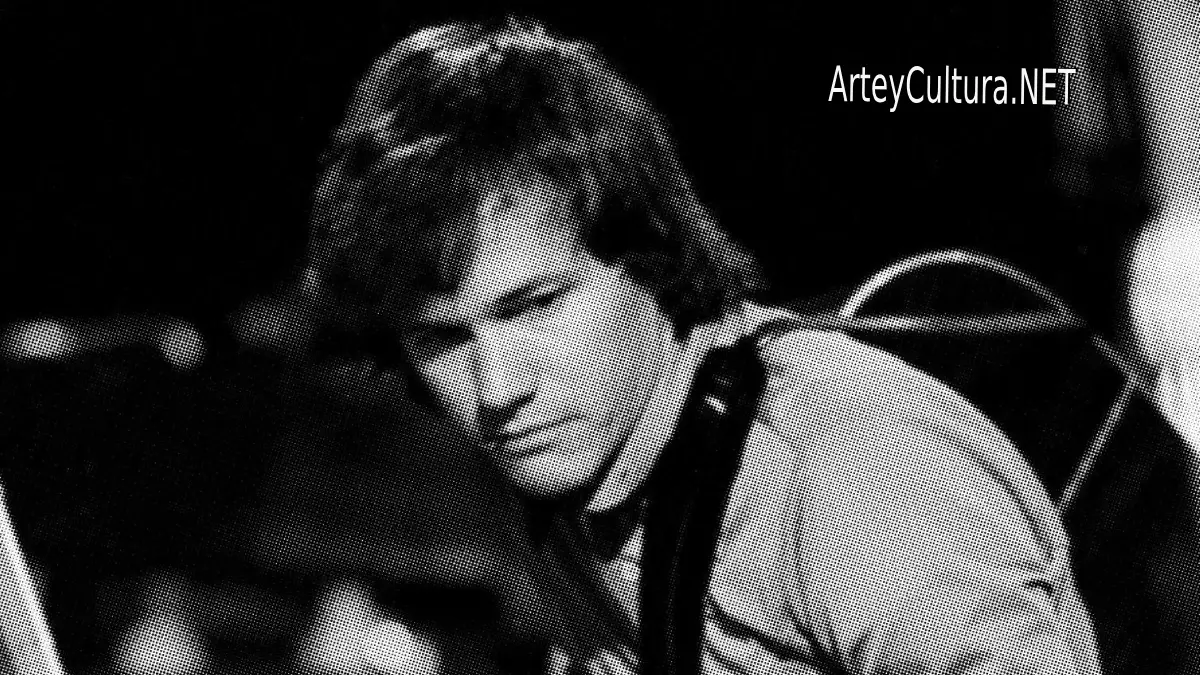
David Ashworth Gates was born in Tulsa, Oklahoma, on December 11, 1940. As singer, songwriter, multi-instrumentalist, and producer, he became the defining voice of Bread and helped establish the melodic vocabulary later called soft rock.
A musical education before fame
The son of a band director and a piano teacher, Gates learned several instruments early. After moving to California, he worked as a songwriter, arranger, session musician, and producer. Studio experience taught him to give every instrument a clear purpose and to write for the character of a particular voice.
The formation of Bread
Bread began in Los Angeles in 1968 with Gates, Jimmy Griffin, and Robb Royer; Mike Botts and later Larry Knechtel completed its best-known lineups. Acoustic guitars, keyboards, vocal harmony, and uncluttered production supported both Gates’s ballads and material by his colleagues.
Video: David Gates remembers
This English television interview offers a calm account of songwriting and life in Bread, revealing the craftsman behind an understated public image.
Songs built to endure
“Make It with You,” “If,” “Diary,” “Aubrey,” “The Guitar Man,” and “Everything I Own” balance memorable melodic shapes with emotional ambiguity. The last song, often heard as romantic, was inspired by the death of Gates’s father. Its openness allowed listeners to place their own losses within it.
Video: The architecture of “Aubrey”
This cover version places attention on the composition itself. Removed from the original production, its melody and harmonic movement retain their wistful precision.
Separation and solo work
Creative tensions and touring pressure led Bread through separations and reunions. Gates continued recording as a solo artist before withdrawing from regular public performance.
The legacy of David Gates
Gates demonstrated that accessible music can be meticulously built. His best songs avoid unnecessary display, leaving enough silence and narrative space for each listener’s memory to complete them.