
Yma Sumac: The Extraordinary Voice of Peru
Yma Sumac carried a remarkable vocal range and a theatrical vision of Andean music from Peru to international stages and cinema.
- Yma Sumac
- Peruvian music
- vocal music
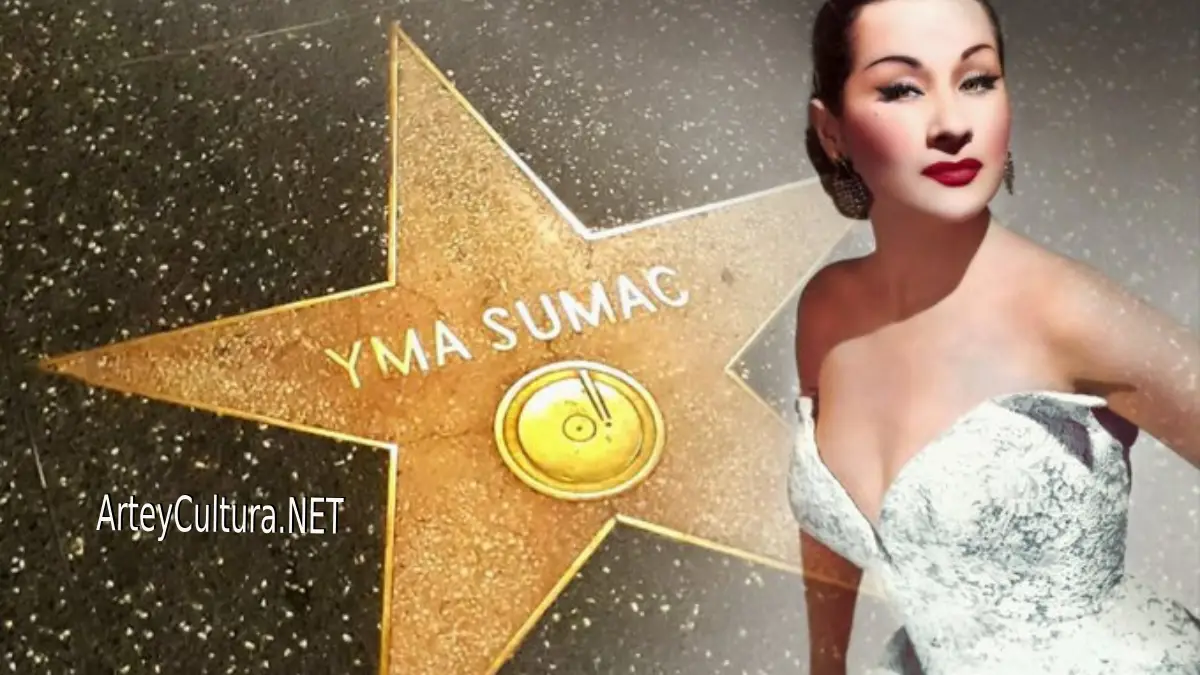
Zoila Augusta Emperatriz Chávarri del Castillo, known as Yma Sumac, was born in Peru on September 13, 1922, and died in Los Angeles on November 1, 2008. She became one of the twentieth century’s most distinctive Latin American voices.
From Peru to an international career
Sumac performed on radio and in ensembles devoted to Peruvian repertoire before traveling across Latin America with musician Moisés Vivanco. After settling in the United States, she signed with Capitol Records and reached audiences unfamiliar with music associated with the Andes.
Recordings and stagecraft
Albums including Voice of the Xtabay, Legend of the Sun Virgin, and Mambo! combined Peruvian motifs, orchestral arrangements, and contemporary popular styles. Costume, gesture, lighting, and vocal characterization formed a complete theatrical language rather than mere decoration.
Video: “Pachamama”
This performance reveals her command of breath, register, dynamics, and timbre. Sudden changes in color turn the voice into a dramatic instrument.
An exceptional technique
Her range is often described as approaching five octaves. She could move from resonant low notes to piercing highs, execute rapid ornaments, and evoke birds or instruments. These effects served atmosphere and characterization, not technical display alone.
Video: Yma Sumac in Hollywood
Scenes from Secret of the Incas preserve her screen presence while also documenting the exoticized image through which Hollywood represented the Andes in the 1950s.
Image, identity, and recognition
Publicity promoted elaborate claims about her Inca ancestry. That mythology should be separated from the disciplined Peruvian artist behind it. Sumac toured widely, appeared in film and theater, and received a star on the Hollywood Walk of Fame.
The legacy of Yma Sumac
Her achievement was to transform an extraordinary instrument into a recognizable artistic language. Later rediscovery of her records confirmed both their technical daring and their complicated position between cultural identity, global entertainment, and exoticism.