Picasso and the Women in His Life: Art, Agency, and Power
A critical view of the artists and partners around Pablo Picasso, restoring their agency beyond the limiting label of muse.
- Pablo Picasso
- women artists
- modern art
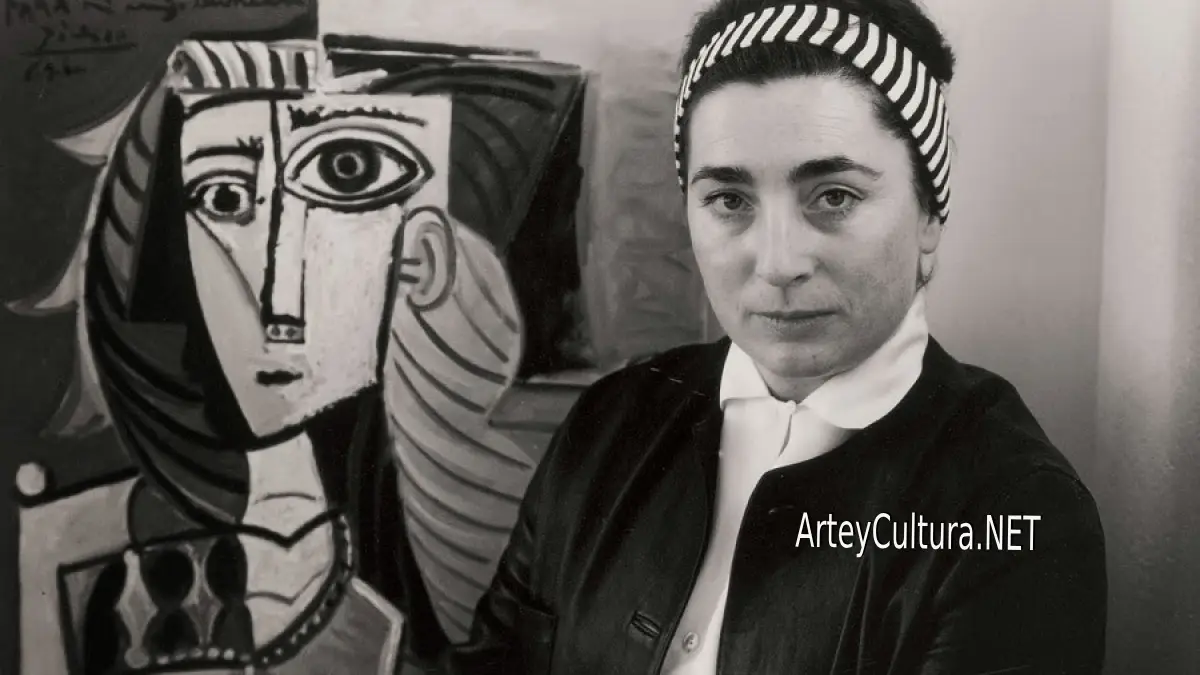
Pablo Picasso was born in Málaga on October 25, 1881, and died in Mougins on April 8, 1973. His relationships with women shaped many periods of his art, but describing those women only as “muses” hides their own work, choices, and the unequal power surrounding a celebrated artist.
Portraiture and biography
Picasso repeatedly transformed people close to him into pictorial problems: profile and frontal view, tenderness and threat, likeness and invention could coexist in one face. Changes in his relationships often coincided with changes in style, but a painting is not a transparent diary. Formal experiment and lived experience must be read together.
Women with lives of their own
Fernande Olivier wrote important recollections of their early years. Olga Khokhlova had trained as a ballet dancer. Dora Maar was an accomplished photographer and Surrealist artist before meeting Picasso. Françoise Gilot sustained an independent painting career and later wrote a clear-eyed account of their decade together.
A wider constellation
Eva Gouel, Marie-Thérèse Walter, and Jacqueline Roque also became recurring presences in Picasso’s imagery. Each relationship had a distinct history. Grouping these individuals as a succession of types erases differences in age, circumstance, ambition, and vulnerability.
Art and unequal power
Picasso’s fame and authority could make relationships profoundly unequal, and several accounts describe cruelty or control. A critical history need not deny artistic achievement. It asks how admiration can coexist with scrutiny, and how institutions have repeated the artist’s viewpoint while neglecting those around him.
The significance of a revised account
Restoring agency changes how the paintings are seen. Dora Maar and Françoise Gilot, in particular, belong within art history as makers rather than supporting characters. The richer question is not who inspired Picasso, but how multiple creative lives intersected under unequal conditions.
Video: Françoise Gilot speaks through her life
This English documentary centers the painter who left Picasso, following her artistic independence rather than treating her only as a chapter in his biography.
Video: Picasso in historical context
This Spanish documentary surveys the artist’s long career and provides visual context for the changing portraits discussed above.