Oswaldo Guayasamin: From the Age of Anger to Tenderness
Oswaldo Guayasamin gave Latin American suffering, resistance and affection a monumental visual language built from urgent faces, hands and expressive distortion.
- Oswaldo Guayasamin
- Ecuadorian art
- Latin American expressionism
- The Age of Anger
- Huacaynan
- Chapel of Man
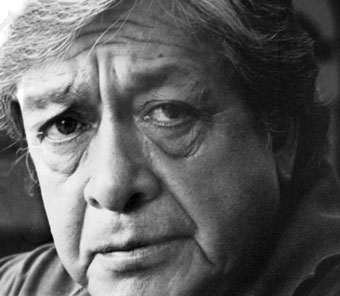
Oswaldo Guayasamin was born in Quito, Ecuador, on July 6, 1919, and died in Baltimore on March 10, 1999. He built an unmistakable visual language from enlarged hands, anguished faces and compressed bodies to confront violence while preserving the possibility of tenderness.
Origin and formation
Guayasamin grew up in a large family with limited resources in a society structured by severe inequality. He studied at Quito’s School of Fine Arts and gained early recognition for the force of his drawing.
Indigenous and mestizo identity, political repression and the injustices he observed became central concerns. He did not present himself as a neutral chronicler; the paintings deliberately take an ethical position.
Huacaynan: The Trail of Tears
After travelling through Latin America, Guayasamin developed Huacaynan, a Quechua title associated with a path of tears. The series portrays Indigenous, Afro-descendant and mestizo subjects across a continent linked by exploitation and resistance.
Marked bones, large hands and intense eyes concentrate emotion. Expressive deformation is not caricature but a means of turning the body into historical memory.
The painter of dignity
This Spanish-language documentary presents Guayasamin’s formation, thought and commitment to victims of violence. Testimony clarifies why he understood art as an intervention in human suffering rather than an exclusively aesthetic pursuit.
The Age of Anger
In The Age of Anger, wars, torture, dictatorship and persecution become open mouths, clenched hands and streaming eyes. The images are not tied to one country; they connect Latin American histories with the universal violence of the twentieth century.
Repeated gestures function like variations in music. Each canvas changes the motif and prevents suffering from disappearing into habitual news imagery.
Painting Paco de Lucia
This largely visual record shows Guayasamin portraying flamenco guitarist Paco de Lucia. The encounter reveals rapid decisions of line, proportion and character and makes the silent negotiation between painter and sitter visible.
Tenderness and the Chapel of Man
In mature works dedicated to mothers and affection, embracing bodies answer the torn hands of anger. Tenderness is not retreat; it is the human relation that violence threatens.
Guayasamin conceived Quito’s Chapel of Man as a monumental space dedicated to the peoples of the Americas. He did not see its completion, but it continues as museum, memorial and cultural meeting place.
The legacy of Oswaldo Guayasamin
Guayasamin exhibited internationally and created one of Latin America’s most recognisable modern visual languages. His legacy joins memory with solidarity: to recognise pain should lead neither to spectacle nor resignation, but to an active defence of dignity.