Emilio Pettoruti: Avant-Garde Form and Light in Argentine Art
Emilio Pettoruti combined Cubist and Futurist experiments with a personal architecture of light, transforming musicians, harlequins and still lifes in Argentine painting.
- Emilio Pettoruti
- Argentine art
- Latin American modernism
- Cubism
- Futurism
- harlequin painting
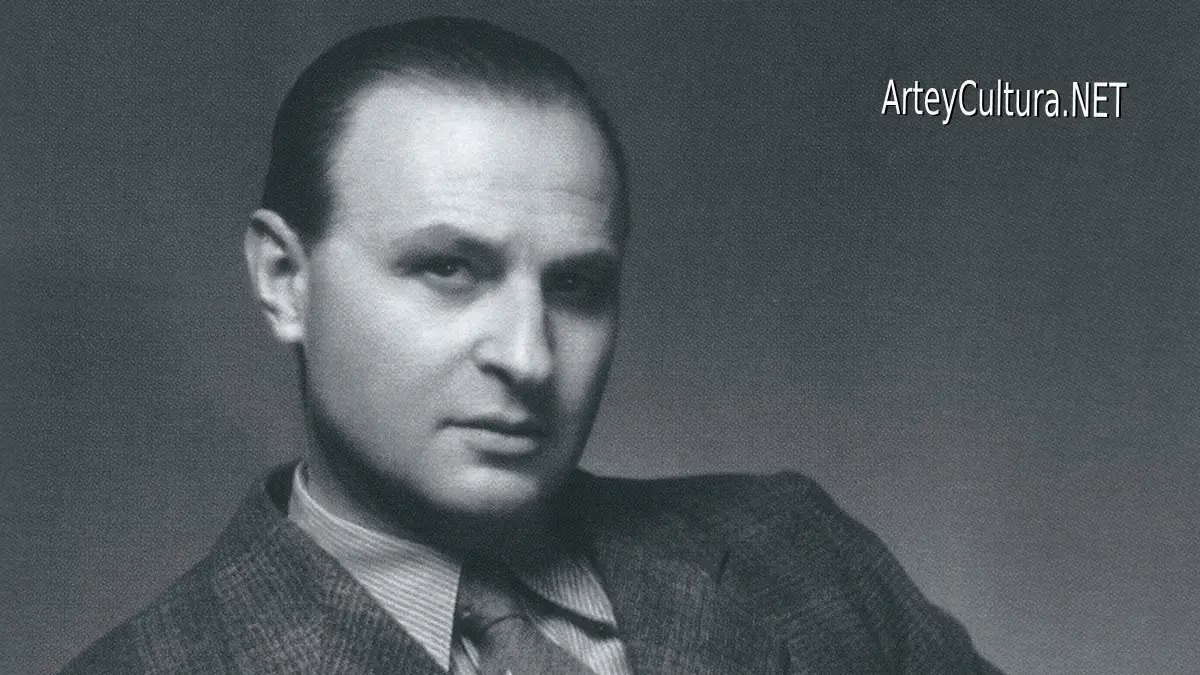
Emilio Pettoruti was born in La Plata, Argentina, on October 1, 1892, and died in Paris on October 16, 1971. Painter, mosaicist and museum director, he helped make avant-garde visual language an active and contested part of twentieth-century Argentine culture.
Formation and a decisive European journey
Pettoruti began drawing in La Plata and studied briefly in local art institutions. A scholarship took him to Italy in 1913, where he encountered Futurism, Cubist research and the historic mosaics of European collections.
Mosaic organisation—small units forming a luminous whole—remained important when transformed into painted planes. Pettoruti did not adopt one movement intact; he assembled an individual grammar from multiple encounters.
The Buenos Aires exhibition of 1924
After returning to Argentina, Pettoruti presented a solo exhibition at the Witcomb Gallery in 1924. Fragmented figures and geometric compositions provoked fierce rejection among viewers committed to naturalistic expectations.
The controversy became a landmark of local modernism. It demonstrated that Argentine art could participate in international debate without giving up the right to reinterpret imported forms.
A visual survey of the paintings
This language-neutral selection allows direct comparison among musicians, glasses, harlequins and shafts of light. Viewers can follow how planes construct bodies and how still images acquire a musical rhythm.
Harlequins, musicians and still lifes
In works such as The Improviser, triangles, curves and colour planes organise performer and instrument into a near-architectural unit. The harlequin functions as a laboratory of mask, posture and balance rather than a picturesque theatrical figure.
Still lifes reduce glasses and bottles to volume, transparency and interval. Light appears to emerge from the internal organisation of the picture instead of falling naturally from outside.
An educational museum visit
This Spanish-language educational programme introduces Pettoruti through museum looking. Its accessible visual analysis helps readers identify Cubist principles without treating them as a rigid formula.
Museum leadership and later abstraction
From 1930 to 1947, Pettoruti directed the Provincial Museum of Fine Arts in La Plata. He reorganised collections, promoted acquisitions and defended modern criteria, proving that his contribution extended beyond his studio.
Later work concentrated increasingly on light and abstraction. This evolution shows that the artist did not remain fixed in the scandal that first made him famous.
The legacy of Emilio Pettoruti
Pettoruti opened institutional and artistic space for avant-garde and abstract art in Argentina. His legacy demonstrates that modernisation is not passive imitation: forms travel, but artists transform them through local argument, personal method and sustained experimentation.