Virginia Woolf: Consciousness, Time and Literary Freedom
Virginia Woolf transformed modern fiction through mobile viewpoints and layered time while arguing that women need material independence and creative space.
- Virginia Woolf
- English modernism
- Mrs Dalloway
- To the Lighthouse
- A Room of One's Own
- feminist essays
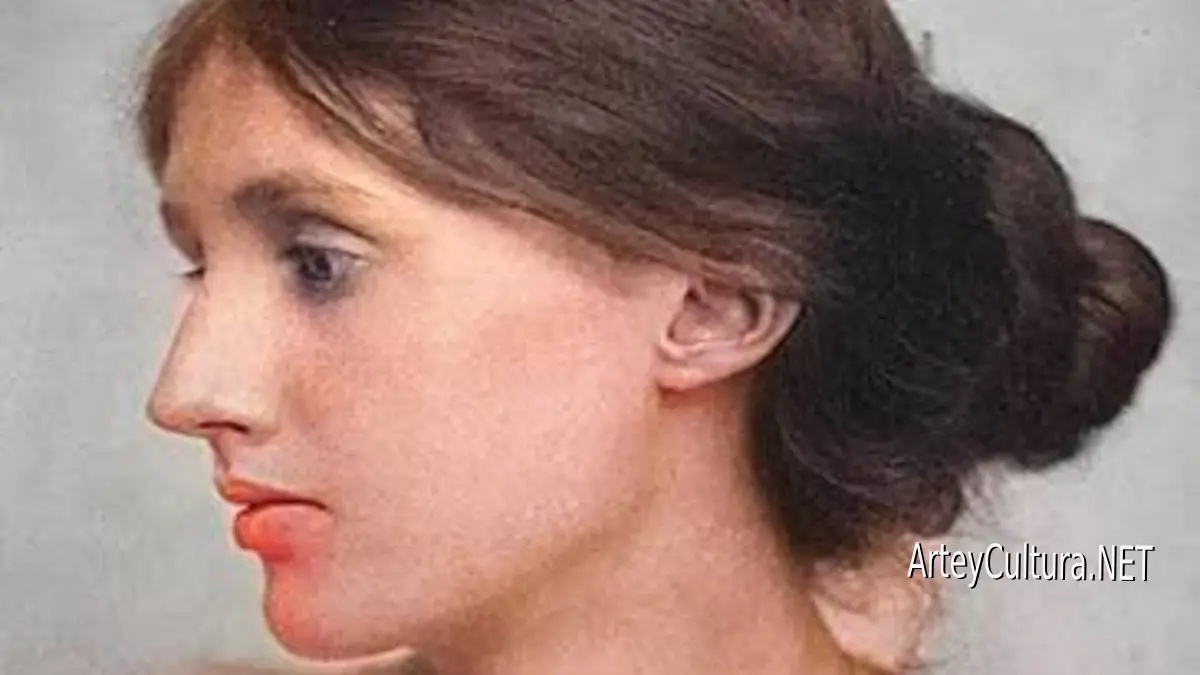
Adeline Virginia Stephen, known as Virginia Woolf, was born in London on January 25, 1882, and died near Lewes on March 28, 1941. Novelist, essayist, critic and publisher, she changed how fiction represents consciousness, memory and the pressure of time.
Education among books and losses
Woolf grew up in a family closely connected with Victorian literary culture and had access to an exceptional library. Unlike her brothers, she was denied the same university education, an inequality that later informed her essays.
Family deaths, sexual abuse and recurring mental illness shaped her life. These experiences require care: they provide context but cannot substitute for analysis of a disciplined, technically ambitious body of work.
Bloomsbury and the Hogarth Press
Virginia and her siblings participated in the Bloomsbury Group, whose writers, artists and economists questioned inherited social and artistic conventions. She married Leonard Woolf in 1912.
Together they founded the Hogarth Press in 1917. Printing and publishing gave Woolf unusual control over her work and allowed the press to support significant modern writing and translation.
The surviving recording of her voice
This English recording preserves Woolf reflecting on words and the English language. Hearing her argument reminds us that she was a public critic and lecturer as well as the author of inward-looking novels.
Transforming narrative time
In Mrs Dalloway, one day in London contains decades of memory and parallel consciousness. To the Lighthouse moves through family perception, artistic ambition, loss and the impersonal passage of time. The Waves organises voices into a rhythmic structure approaching prose poetry.
There is no single Woolfian stream-of-consciousness formula. Free indirect discourse, changing viewpoints, recurring images and carefully controlled rhythm make inner life relational rather than sealed inside one person.
A full English biography
This English documentary provides context on Woolf’s family, writing, relationships and illness. It is most useful when viewed critically, with attention to humour, professional ambition and daily labour alongside crisis.
A Room of One’s Own
In A Room of One’s Own, Woolf argues that women need money and private space to write. The room is both material and symbolic: education, uninterrupted time and freedom from compulsory dependence make creation possible.
Three Guineas links patriarchy, professional exclusion and war. Later feminist thinkers have challenged and expanded the social limits of her perspective while continuing the questions she opened.
The legacy of Virginia Woolf
Woolf died by suicide at fifty-nine. Her legacy should not be reduced to that death. It lives in precise sentences, publishing independence, feminist argument and narrative forms that continue to teach readers how a room, a city and several minds can occupy the same moving moment.