Albert Camus: Absurdity, Revolt and Human Responsibility
Albert Camus used fiction, drama, essays and journalism to ask how human beings can live lucidly and act with solidarity in a world without absolute answers.
- Albert Camus
- French literature
- The Stranger
- The Plague
- philosophy of the absurd
- French Resistance
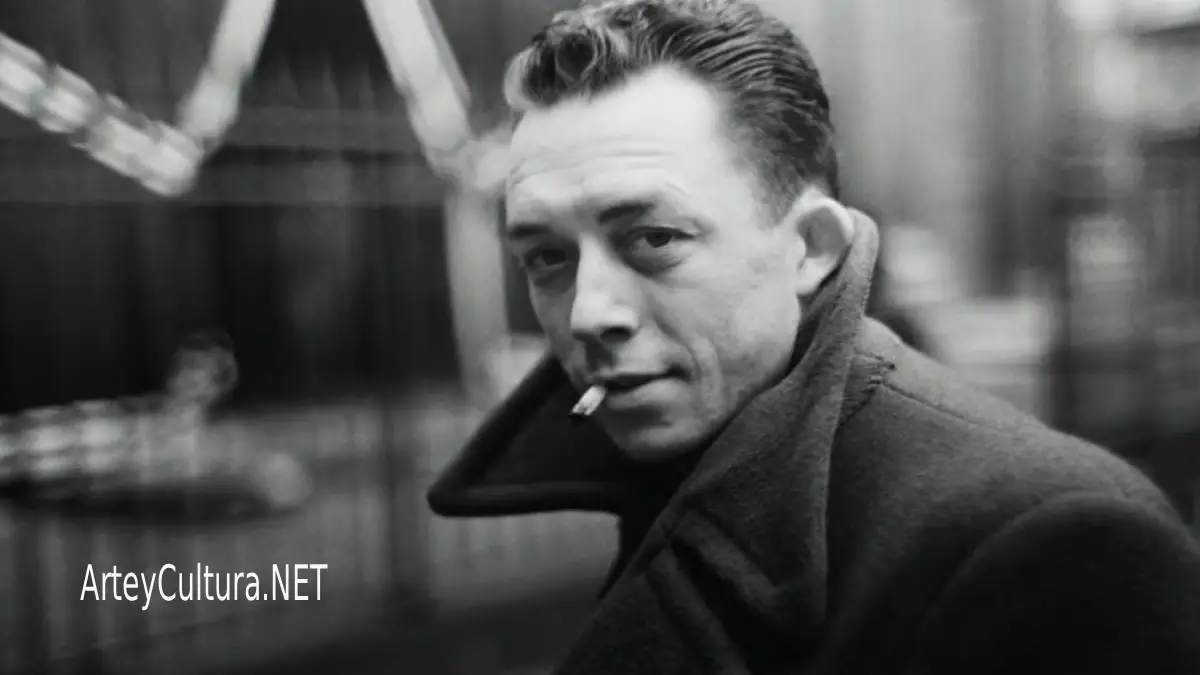
Albert Camus was born in Mondovi, French Algeria, on November 7, 1913, and died in a car crash near Villeblevin, France, on January 4, 1960. Novelist, essayist, dramatist and journalist, he explored how people might live with lucidity and dignity when the world offers no guaranteed meaning.
Poverty, education and colonial Algeria
Camus grew up in a poor European settler family after his father died in the First World War. Teachers, especially Louis Germain, helped him continue his education. Tuberculosis interrupted his studies and shaped his awareness of bodily limits.
The Algerian landscape, working-class life and colonial inequality permeate his writing. His concern for poverty was real, but his inability to support full Algerian independence remains a central subject of critical debate.
What Camus meant by the absurd
For Camus, the absurd arises from the confrontation between the human demand for coherence and the world’s silence. It is not a recommendation of nihilism. In The Myth of Sisyphus, recognizing the absence of ultimate answers becomes the beginning of conscious living rather than a reason for surrender.
The Stranger places emotional convention, judgement and alienation within a colonial setting whose unnamed Arab victim demands attention from contemporary readers.
Camus speaking about football
This subtitled interview lets English readers hear Camus reflect on football, a formative passion from his years as a goalkeeper. His remarks connect teamwork and practical responsibility with ethical concerns developed elsewhere in his writing.
Resistance, plague and solidarity
During the German occupation, Camus worked with the Resistance newspaper Combat. His editorials argued that words and actions carry consequences under conditions of violence.
The Plague depicts an epidemic in Oran while examining denial, duty, separation and collective resistance. The novel endures because its characters must act without knowing whether their efforts will produce final victory.
The rebel who refused every camp
This full English documentary follows Camus’s biography, political conflicts and refusal of ideological certainty. It gives useful context for his break with Jean-Paul Sartre after the publication of The Rebel.
Revolt and limits
Camus distinguished revolt from unlimited revolution. Resistance begins with a refusal of humiliation, but it betrays itself when a future ideal is used to justify indiscriminate killing. This insistence on limits isolated him within polarized Cold War debates.
He received the Nobel Prize in Literature in 1957, becoming one of its youngest recipients. The unfinished manuscript of The First Man was found after his death.
The legacy of Albert Camus
Camus remains relevant because he offers no comfortable system. His work asks how to sustain solidarity amid uncertainty while also exposing the limitations of his own colonial position. Reading him critically means holding literary power, ethical courage and historical blind spots in the same frame.