Women in Modigliani's Portraits: Style, Identity and the Modern Gaze
The women portrayed by Amedeo Modigliani reveal a distinctive modern language while inviting closer attention to named sitters, artistic agency and the ethics of looking.
- Amedeo Modigliani
- modern portraiture
- women in art
- Jeanne Hebuterne
- Montparnasse
- School of Paris
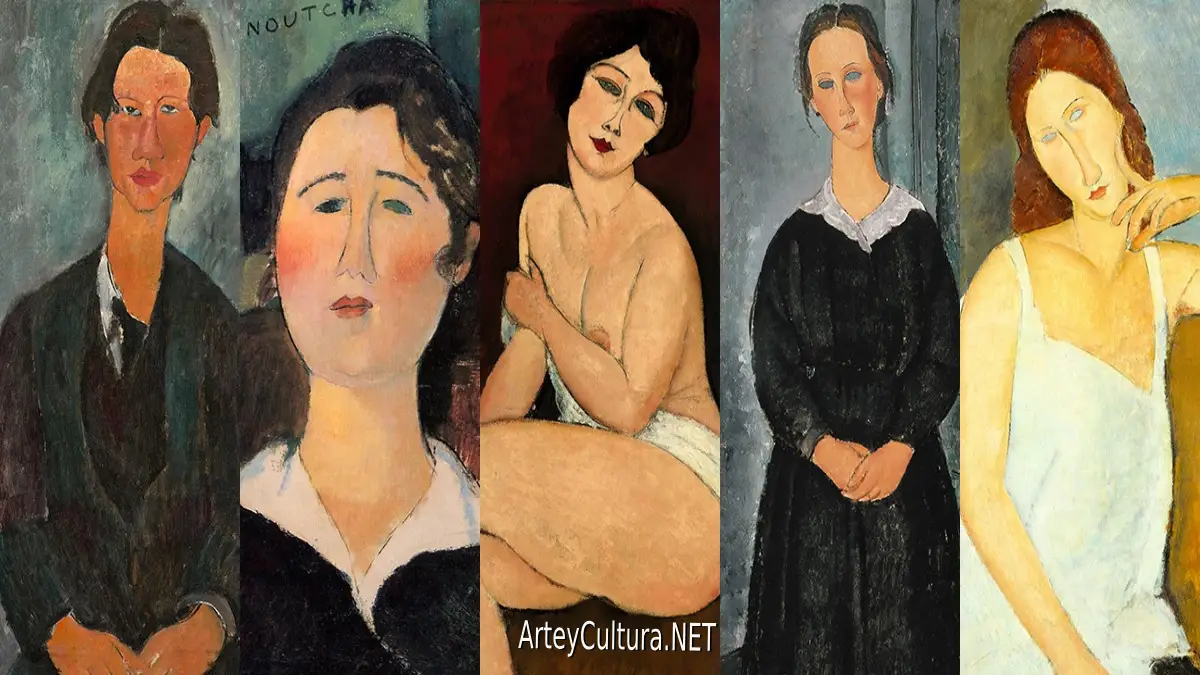
The female portraits of Amedeo Modigliani are central to his Parisian career. Their elongated necks, almond-shaped eyes and continuous contours are instantly recognizable, yet style should not erase the distinct women who modelled, collected, wrote, painted and participated in the cultural life around him.
From Livorno to Montparnasse
Modigliani was born in Livorno, Italy, on July 12, 1884, and died in Paris on January 24, 1920. He arrived in Paris in 1906 and encountered the experiments of Montmartre and Montparnasse.
Italian Renaissance and Mannerist traditions, African sculpture, ancient art and his exchange with Constantin Brancusi contributed to his compressed, rhythmic treatment of the body. These sources require precise historical discussion rather than a vague claim of exotic influence.
A distinctive language of portraiture
Modigliani simplified anatomy without abandoning likeness. A tilted head, arched eyebrow, clasped hands or colour relationship can individualize a sitter even when facial features share a family resemblance.
Eyes are sometimes filled with blue or grey and sometimes left as blank shapes. The choice creates rhythm and psychological distance; it should not automatically be interpreted as evidence of an empty inner life.
What conservation can reveal
This English National Gallery of Victoria film follows conservation work on a Modigliani portrait. Technical examination reveals revisions, materials and surface decisions that reproductions conceal, returning attention from biography to the physical intelligence of painting.
Models, patrons and identified lives
The sitters included professional models, friends, writers, collectors and partners. Beatrice Hastings was a poet and critic; Lunia Czechowska and Hanka Zborowska belonged to important networks of friendship and patronage; Berthe Weill was a pioneering dealer who organized Modigliani’s only solo exhibition during his lifetime.
Naming these women when evidence permits changes the question. A portrait becomes an encounter shaped by social position and collaboration, not simply an interchangeable image of femininity.
Discoveries beneath the surface
This English CBS report examines technical discoveries in Modigliani paintings. Imaging beneath visible surfaces offers clues about reuse, economy and changing compositions while reminding viewers that every scientific finding still requires careful interpretation.
Jeanne Hebuterne beyond the tragic myth
Jeanne Hebuterne was an artist and Modigliani’s partner as well as a frequent sitter. She died by suicide while pregnant shortly after his death. Repeating the story as a romantic culmination of doomed love obscures coercive circumstances, family conflict, mental crisis and her own creative identity.
Her surviving drawings and paintings deserve examination independent of Modigliani. Responsible history refuses to make a woman’s death the final decorative element in a male artist’s legend.
Critical significance
Modigliani renewed modern portraiture by combining stylization with concentrated presence. His women also reveal how art history constructs memory: some sitters become famous, others remain anonymous, and biography can overwhelm the work. Looking well means attending simultaneously to line and colour, the person represented and the unequal structures through which both artist and sitter were remembered.