Mark Rothko: Colour, Scale and the Contemplative Experience
Mark Rothko transformed layered fields of colour into encounters with scale, light and fundamental emotion, resisting the idea that abstraction was merely decorative.
- Mark Rothko
- Abstract Expressionism
- Colour Field painting
- Seagram Murals
- Rothko Chapel
- American art
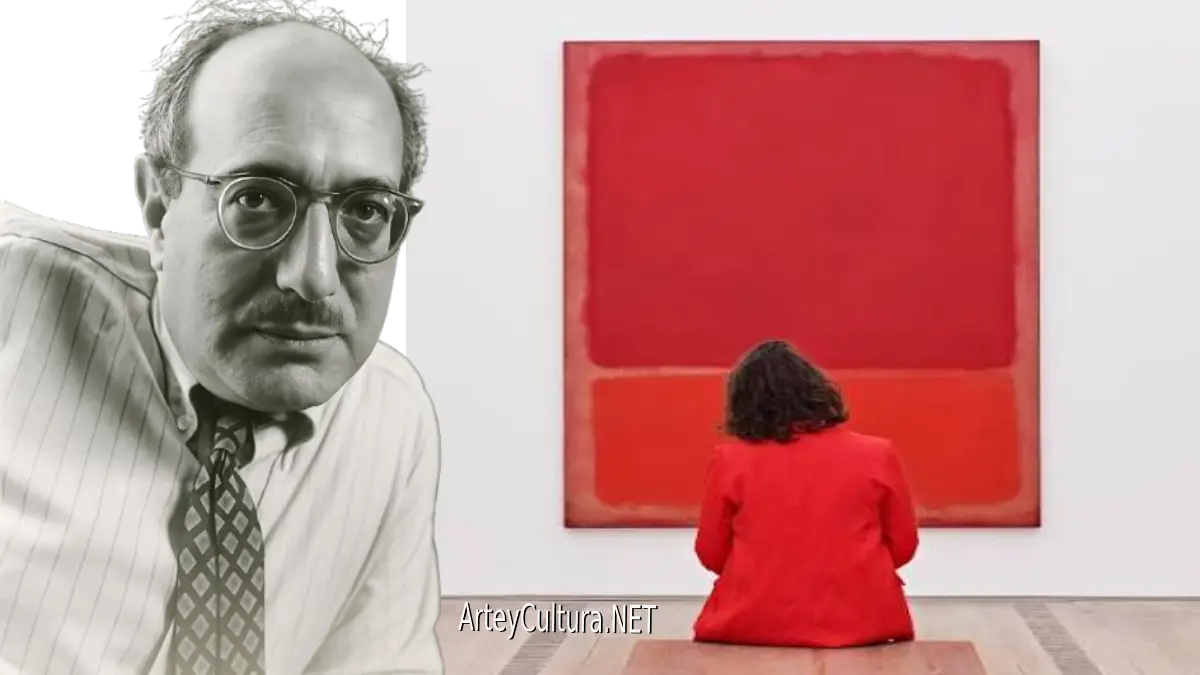
Mark Rothko, born Marcus Rothkowitz, was born in Dvinsk in the Russian Empire, now Daugavpils, Latvia, on September 25, 1903, and died in New York on February 25, 1970. His mature paintings use luminous rectangles and large scale to create demanding encounters with colour and emotion.
Migration and artistic formation
Rothko emigrated with his Jewish family to the United States in 1913 and settled in Portland, Oregon. He attended Yale University from 1921 to 1923 before moving to New York City. There he pursued artistic training at the Art Students League and encountered modern art through classes and museums.
His early paintings include portraits, interiors and urban scenes. During the 1940s he turned toward mythology and Surrealist-influenced biomorphic forms, seeking subjects capable of addressing tragedy during an age of war.
From figures to fields of colour
By the late 1940s, floating areas of colour replaced recognizable figures. Rothko applied thin layers so that underlying tones remained active. Edges appear to breathe, and the rectangles seem alternately to advance, recede or dissolve.
Reproductions can make these works look like simple graphic arrangements. In person, bodily scale, surface variation and the distance between viewer and canvas are essential parts of the experience.
The Seagram Murals explained
This English episode of Great Art Explained follows the celebrated commission for the Four Seasons restaurant. It clarifies why Rothko returned the payment and kept the paintings rather than allowing them to become luxury decoration.
Painting as an emotional encounter
Rothko rejected readings concerned only with colour relationships. He wrote and spoke about tragedy, ecstasy, mortality and the human condition. The paintings do not assign one fixed emotion, but they establish conditions for sustained, vulnerable attention.
He preferred relatively low hanging and controlled illumination. These choices resist casual viewing and bring the coloured fields into the spectator’s physical space.
Art and architecture
This English-language discussion examines Rothko’s conception of art and architecture. It helps explain why installation, sequence and atmosphere matter as much as the individual canvas.
The Rothko Chapel
Commissioned for Houston, the Rothko Chapel surrounds visitors with fourteen dark paintings in an octagonal interior. Rothko did not live to see its 1971 opening, yet the ensemble brought his search for a unified contemplative environment to its fullest public form.
The nearly black surfaces change with time and light. Their restraint asks for patience and makes silence an active part of viewing.
The legacy of Mark Rothko
Rothko changed American painting and the relationship between artwork, architecture and spectator. His death by suicide must be treated without turning the late dark palette into a simple medical illustration. The work spans decades of formal thought, historical anxiety and ambition: colour became for him not a subject in itself, but a vehicle for profound human presence.