Truman Capote: Style, Celebrity and the Ethics of Narrative
Truman Capote joined lyrical fiction, social observation and documentary research in a career whose brilliance and ethical tensions remain intensely debated.
- Truman Capote
- American literature
- In Cold Blood
- Breakfast at Tiffany's
- literary journalism
- Southern Gothic
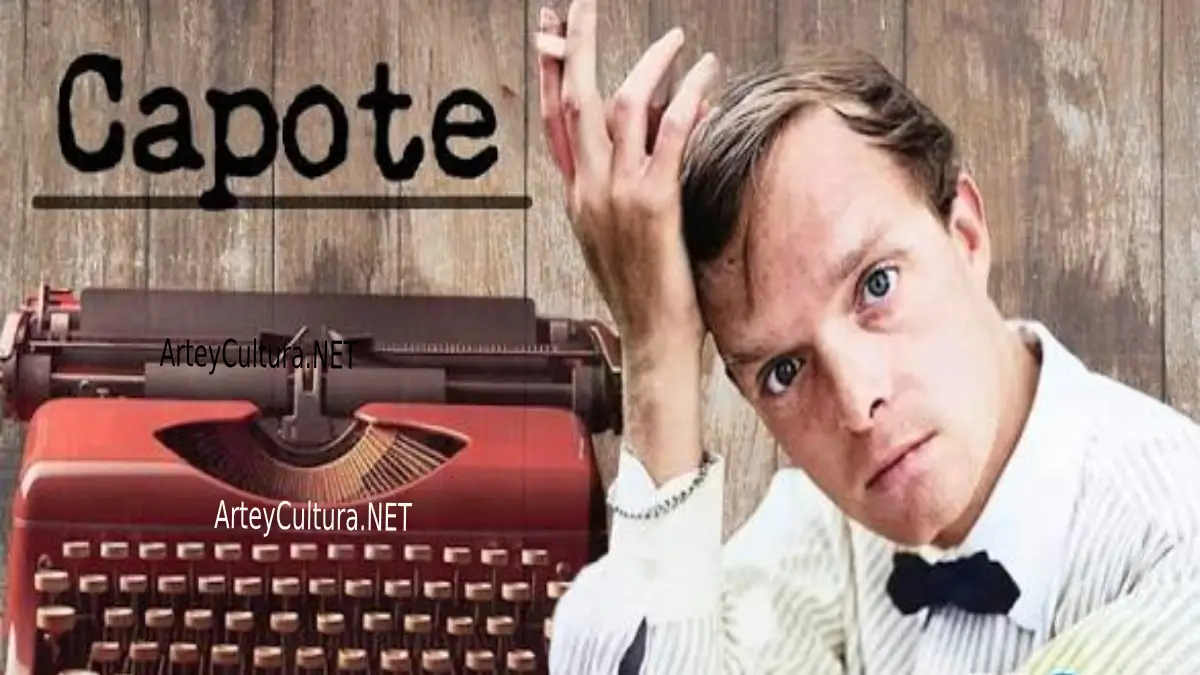
Truman Streckfus Persons, known as Truman Capote, was born in New Orleans on September 30, 1924, and died in Los Angeles on August 25, 1984. His controlled prose, acute ear for dialogue and carefully fashioned public persona made him one of the most recognizable American writers of his era.
Childhood and the making of a writer
Capote experienced an unstable childhood in the American South and spent important years with relatives in Alabama. There he formed a friendship with Nelle Harper Lee, the future author of To Kill a Mockingbird.
He began writing early, left school without attending university and worked briefly at The New Yorker. Short fiction brought rapid recognition for its atmosphere, psychological strangeness and polished sentences.
Fiction, outsiders and social performance
Other Voices, Other Rooms established Capote’s reputation through a Southern Gothic story of identity and belonging. The Grass Harp and his short stories combine tenderness with the unsettling effects of memory and exclusion.
Breakfast at Tiffany’s created Holly Golightly, an independent and elusive figure navigating reinvention in New York. Later adaptations changed important aspects of the novella, demonstrating how popular culture can both preserve and simplify a literary character.
Capote in conversation
This English-language footage places Capote in the social world he cultivated. His wit, vocal delivery and awareness of the camera reveal how celebrity became a performance that attracted readers while eventually competing with sustained writing.
In Cold Blood
After reading about the 1959 murder of the Clutter family in Kansas, Capote travelled there with Harper Lee to conduct extensive interviews. In Cold Blood appeared in 1966 and reconstructed the crime, investigation and execution of Perry Smith and Richard Hickock through novelistic techniques.
Capote called the work a nonfiction novel. Its achievement renewed possibilities for literary journalism, but claims of perfect recall, reconstructed dialogue and emotional involvement with the killers continue to generate ethical and factual debate.
A documentary encounter
This English excerpt from the Maysles brothers’ 1966 documentary follows Capote around the period of In Cold Blood. His account of research and composition helps viewers consider both the discipline behind the book and the self-mythology surrounding it.
Celebrity, unfinished work and decline
Capote moved among wealthy social circles and organized the famous Black and White Ball in 1966. When chapters of the projected novel Answered Prayers exposed recognizable confidants, friendships collapsed.
Addiction and declining health undermined his later years, and the promised novel remained incomplete. The spectacle of decline has often overshadowed the craft of his earlier fiction.
The legacy of Truman Capote
Capote expanded the meeting point between reportage and literary form, influencing generations of journalists and writers. His legacy demands double attention: admiration for narrative precision and scrutiny of the power an author exercises over victims, sources and facts. That tension keeps his work artistically compelling and ethically unsettled.