Charles Dickens: Fiction, Social Conscience and Victorian Life
Charles Dickens transformed childhood hardship, urban observation and comic invention into novels that exposed inequality and reshaped popular literature.
- Charles Dickens
- Victorian literature
- English novel
- Oliver Twist
- Great Expectations
- A Christmas Carol
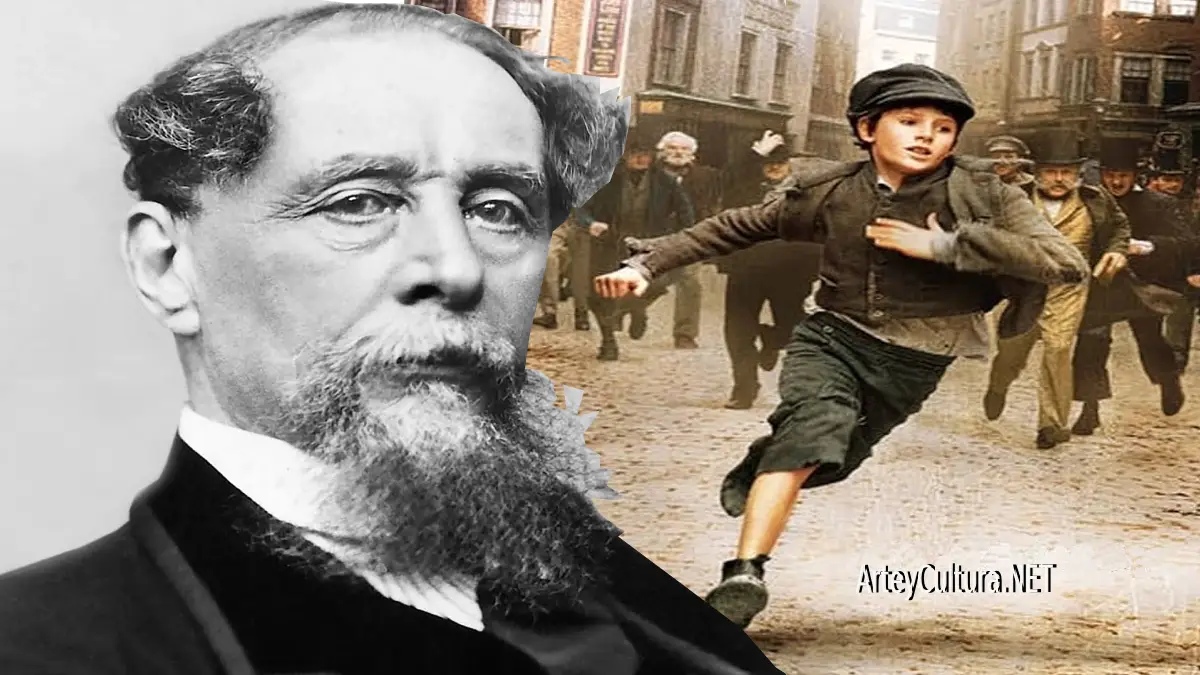
Charles John Huffam Dickens was born in Portsmouth, England, on February 7, 1812, and died at Gad’s Hill Place in Kent on June 9, 1870. Novelist, journalist, editor and performer, he made Victorian society visible through unforgettable characters and stories designed for a broad reading public.
Childhood, debt and the blacking factory
Early in 1824, family financial difficulties led Dickens to work in a boot-blacking factory. On February 20 that year, his father was imprisoned for debt in the Marshalsea. The shame, abandonment and exhausting labour left a permanent mark. His later fiction repeatedly returns to vulnerable children, unstable homes and institutions that punish poverty instead of relieving it.
He eventually resumed his education, became a legal clerk and mastered shorthand. Work as a parliamentary reporter taught him to observe speech, bureaucracy and public performance with unusual precision.
From Boz to literary celebrity
Early urban sketches appeared under the name Boz. The serial success of The Pickwick Papers in 1836–1837 made Dickens famous. Publishing in instalments created suspense, encouraged a close relationship with readers and helped novels circulate beyond elite audiences.
An English biographical overview
This English-language programme follows Dickens from childhood hardship to international fame. It clarifies how reporting, serial publication and personal experience entered the architecture of his fiction without reducing every character to autobiography.
Essential novels and social questions
Oliver Twist confronts workhouses, hunger and criminal exploitation. David Copperfield reshapes memories into a story of development, while Bleak House attacks a legal system that consumes lives through delay. Hard Times challenges an education governed only by facts and economic utility.
A Tale of Two Cities examines sacrifice and revolutionary violence. Great Expectations follows ambition, guilt and moral maturation. In A Christmas Carol, Ebenezer Scrooge’s conversion made generosity and social responsibility part of a story retold across generations.
Characters, humour and narrative voice
Dickens joined satire, melodrama, mystery, pathos and acute street observation. Names, repeated gestures and distinctive voices make figures such as Micawber, Miss Havisham, Uriah Heep and Fagin immediately recognizable. Their exaggeration often exposes vanity or power, yet the finest characters also contain contradiction and emotional depth.
Dickens across page, stage and screen
This English-language tribute gathers visual interpretations of Dickens and his characters. It helps explain how illustration, theatre, cinema and television established a cultural afterlife extending far beyond the original serial publications.
Public work and final years
Dickens edited influential magazines, supported charitable projects and performed demanding public readings in Britain and the United States. These events made the author’s voice part of the experience, but the strain damaged his health.
He died after a stroke at the age of fifty-eight and left The Mystery of Edwin Drood unfinished. He was buried in Westminster Abbey.
The legacy of Charles Dickens
Dickens turned poverty, child labour, bureaucracy and class inequality into gripping narrative rather than abstract argument. Modern readers must also examine stereotypes and sentimental strategies in his work. That critical engagement confirms his importance: his novels remain active sites where entertainment, reform and the ethics of representation meet.