The Rodin Museum: Sculpture, Studio and Artistic Memory
The Musee Rodin preserves the sculptures, drawings, working methods and personal collection of Auguste Rodin within the Hotel Biron and his former home at Meudon.
- Musee Rodin
- Auguste Rodin
- Paris museums
- French sculpture
- The Thinker
- The Gates of Hell
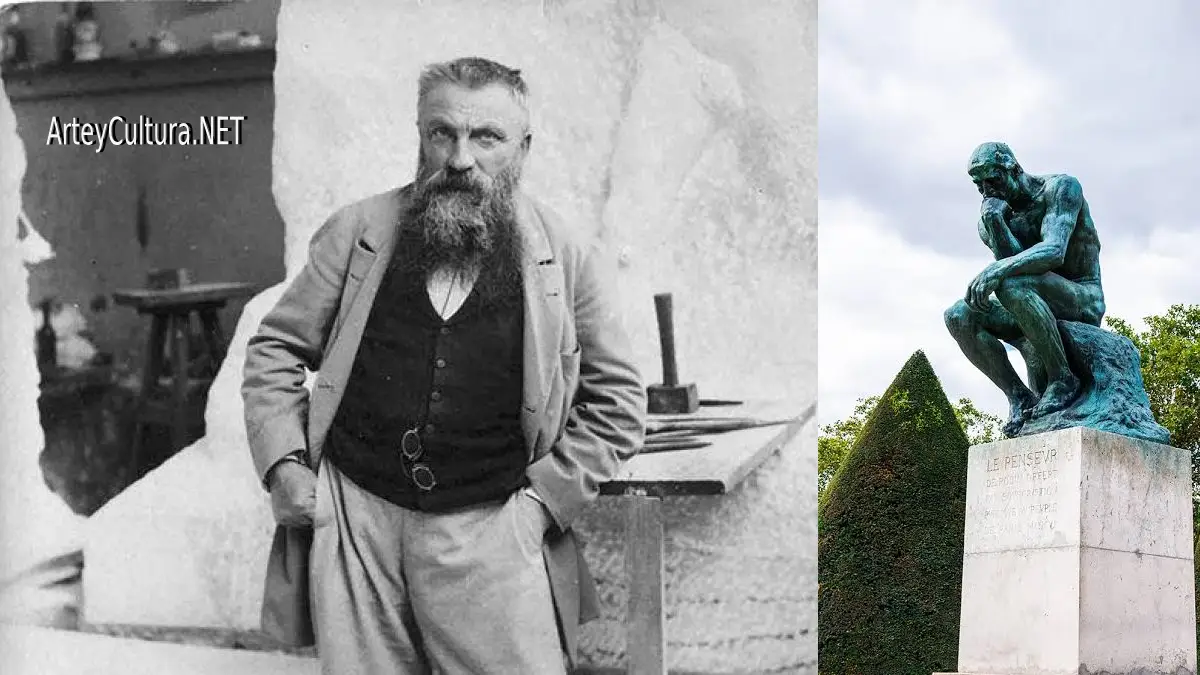
The Musee Rodin is more than a collection of famous sculptures. It preserves the relationship between Auguste Rodin’s art, working process and personal environment at two French sites: the Hotel Biron in Paris and the Villa des Brillants in Meudon.
From the Hotel Biron to a public museum
Rodin began using rooms in the eighteenth-century Hotel Biron as a studio in 1908. He gradually occupied more of the building and displayed sculptures among its architecture and gardens.
In 1916, he donated his works, drawings, photographs, archives and art collection to the French state on the condition that a museum be created there. The Paris museum opened in 1919, two years after his death.
A visit through sculpture and gardens
This English-language visit introduces the Paris setting and shows how monumental bronzes interact with trees, paths and the Hotel Biron. The garden presentation helps viewers understand Rodin’s concern with silhouette and changing points of view.
Works that reveal a process
The collection includes versions of The Thinker, The Kiss, The Burghers of Calais and figures developed for The Gates of Hell. Plaster studies reveal how Rodin enlarged, repeated, fragmented and recombined bodies while testing new expressive relationships.
These working objects are crucial. They show that a celebrated bronze was often one stage in a long chain involving clay modelling, plaster casts, assistants, founders and decisions about scale.
Rodin’s life and artistic transformation
This English biography places the museum’s objects within Rodin’s long struggle for recognition. It follows his departure from academic finish toward surfaces that preserve gesture, modelling and the emotional pressure of the body.
Meudon and the working studio
The museum’s second site in Meudon preserves Rodin’s former home and studio environment. There, visitors can better imagine the practical scale of his enterprise and the role of casts, fragments and assistants in producing complex commissions.
Rodin also collected antiquities and works by other artists. Displayed beside his own sculpture, these objects reveal a conversation with traditions that he admired but did not simply imitate.
Camille Claudel and a broader history
The institution also holds important works by Camille Claudel, who was Rodin’s collaborator, model, pupil and an independent sculptor of exceptional power. Presenting her art encourages a fuller account of their creative exchange and of the obstacles faced by women artists.
The museum’s lasting value
The Musee Rodin keeps finished masterpieces close to experiments, fragments and places of work. That combination turns a visit into an inquiry: viewers encounter not only what Rodin made, but how ideas changed through touch, repetition, casting and space.