Victor Hugo: Literature, Exile and the Public Conscience
The poetry, drama, novels, political evolution and exile of Victor Hugo, whose Notre-Dame de Paris and Les Miserables joined Romantic imagination with social justice.
- Victor Hugo
- French Romanticism
- Les Miserables
- Notre-Dame de Paris
- French literature
- political exile
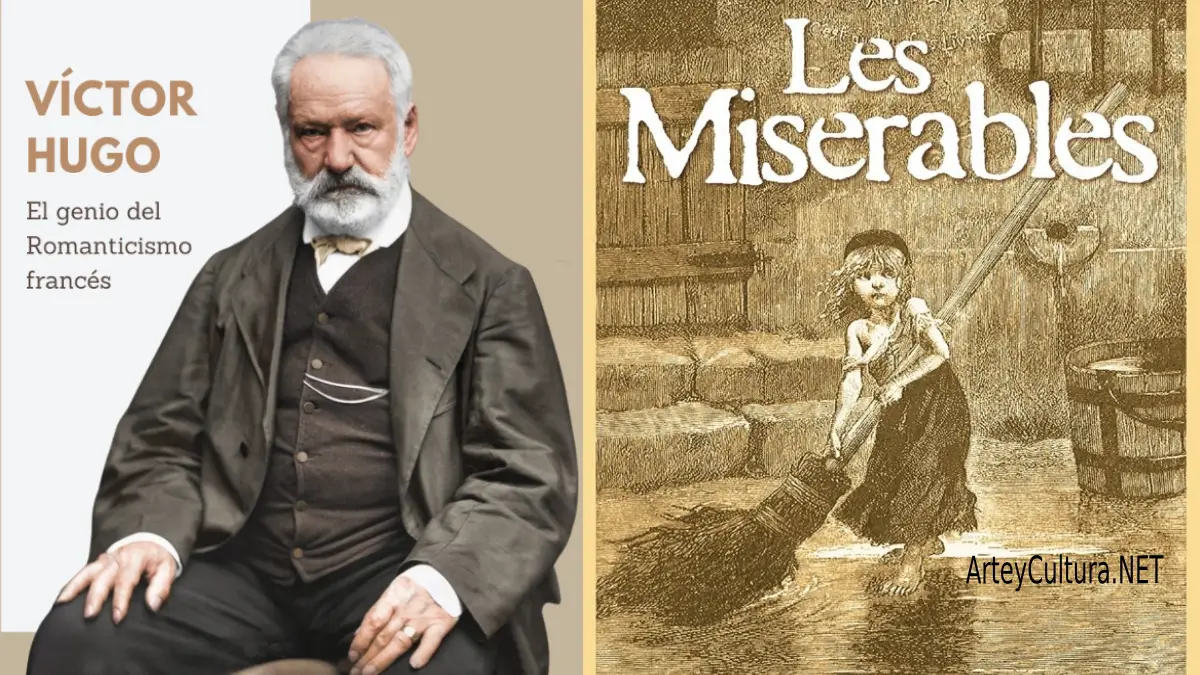
Victor-Marie Hugo was born in Besancon on February 26, 1802, and died in Paris on May 22, 1885. Poet, novelist, dramatist, artist and politician, he joined vast Romantic imagination with an increasingly forceful public defence of justice.
Childhood and Romantic leadership
Military travel and family conflict shaped Hugo’s childhood. He won early poetic recognition and soon became a leading figure of French Romanticism.
The 1830 premiere of Hernani challenged classical theatrical rules and became a symbolic battle over artistic freedom. Hugo’s prefaces and plays helped redefine what subjects and forms the stage could hold.
Architecture, memory and exclusion
Notre-Dame de Paris, published in 1831, connects intertwined lives with the cathedral and medieval city. The novel stimulated concern for neglected Gothic architecture, though its human drama extends well beyond preservation.
Quasimodo and Esmeralda reveal how societies turn visible difference and marginality into spectacle, desire and punishment.
A full English documentary
This English documentary follows Hugo’s literary and political transformations. It shows why his public identity changed from celebrated royalist poet to republican voice in exile.
Les Miserables
Published in 1862, Les Miserables connects Jean Valjean’s moral journey with poverty, law, childhood abandonment and revolutionary unrest. The novel’s digressions build a social world rather than delaying one private plot.
Inspector Javert embodies law without mercy, while Valjean discovers that justice requires a transformation exceeding legal obedience.
Exile and political voice
Hugo opposed Louis-Napoleon Bonaparte’s seizure of power and spent nearly twenty years in exile, principally on Guernsey. He attacked authoritarianism and the death penalty and defended political amnesty.
This second English documentary surveys the breadth of his novels, poetry and public life.
Legacy
Hugo’s funeral drew an immense crowd, and he was buried in the Pantheon. His legacy joins literature with civic imagination: the monumental scale exists to make lives ignored by power impossible to overlook.