Leonardo da Vinci: Art, Observation and Restless Inquiry
The workshop training, paintings, notebooks, anatomical studies and legacy of Leonardo da Vinci, whose drawing united artistic imagination with sustained investigation.
- Leonardo da Vinci
- Renaissance art
- Mona Lisa
- Last Supper
- anatomical drawing
- notebooks
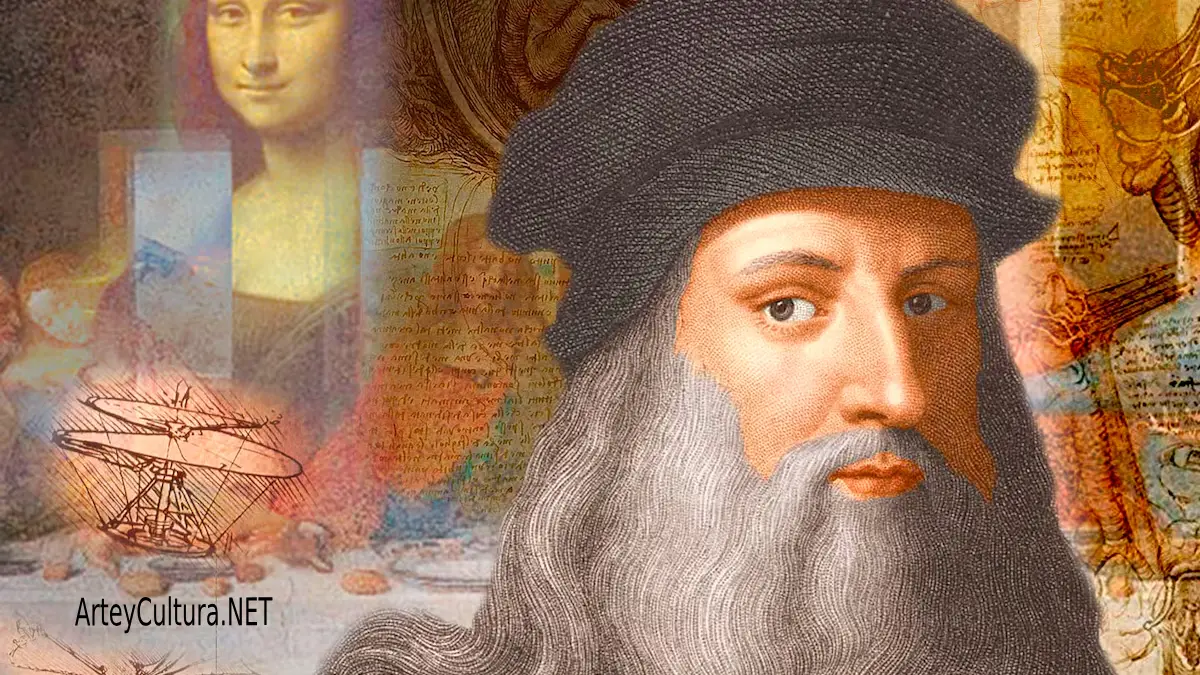
Leonardo da Vinci was born near Vinci on April 15, 1452, and died at Amboise on May 2, 1519. Painter, draughtsman and investigator, he used images to think across anatomy, water, mechanics, light and human expression.
Verrocchio’s workshop
Leonardo trained in Florence with Andrea del Verrocchio, whose workshop united painting, sculpture, metalwork and engineering. This environment made crossing modern disciplinary boundaries an ordinary part of artistic practice.
His illegitimate birth limited access to some learned professions, but workshop culture and close observation offered another path to knowledge.
Milan and courtly work
Leonardo entered the service of Ludovico Sforza in Milan, presenting himself as military engineer as well as artist. He designed festivities, studied machines and pursued ambitious commissions.
The Last Supper organises each apostle’s reaction around Christ’s announcement of betrayal. Its experimental technique allowed subtle effects but caused deterioration soon after completion.
A reconstructed instrument
This Spanish Arte y Cultura report presents Slawomir Zubrzycki’s construction of a viola organista inspired by Leonardo’s drawings. It distinguishes a modern realisation from proof that Leonardo built a functioning instrument.
Painting and psychological ambiguity
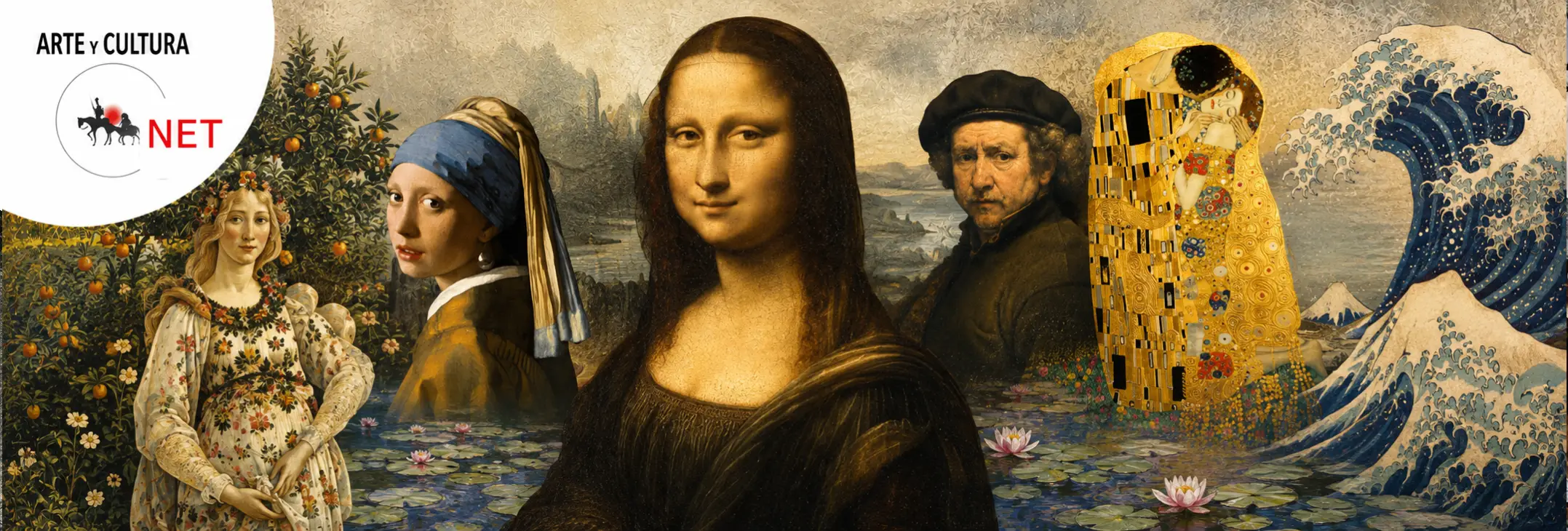
The Virgin of the Rocks uses gesture and atmosphere to bind figures into a mysterious landscape. In the Mona Lisa, sfumato softens boundaries around mouth, eyes and distant terrain, preventing expression from becoming fixed.
Leonardo completed relatively few paintings. Revision, technical experiment and changing patrons repeatedly delayed or interrupted projects.
Notebooks and anatomy
Thousands of surviving pages record dissections, flowing water, flight, geometry and machines. They are investigations of his own time, not a catalogue of modern inventions magically completed centuries early.
This English documentary examines the tension between extraordinary inquiry and incompletion. That tension is more revealing than the myth of effortless universal genius.
Legacy
Leonardo’s greatest method was iterative attention: look, draw, compare and correct. His legacy joins art and knowledge because both begin with the willingness to let observation change an idea.