Candido Portinari: Painting Labour and Brazilian Society
The rural childhood, modernist painting, monumental murals and social legacy of Candido Portinari, whose workers and migrants reshaped Brazil's national image.
- Candido Portinari
- Brazilian modernism
- War and Peace murals
- social painting
- Brazilian art
- muralism
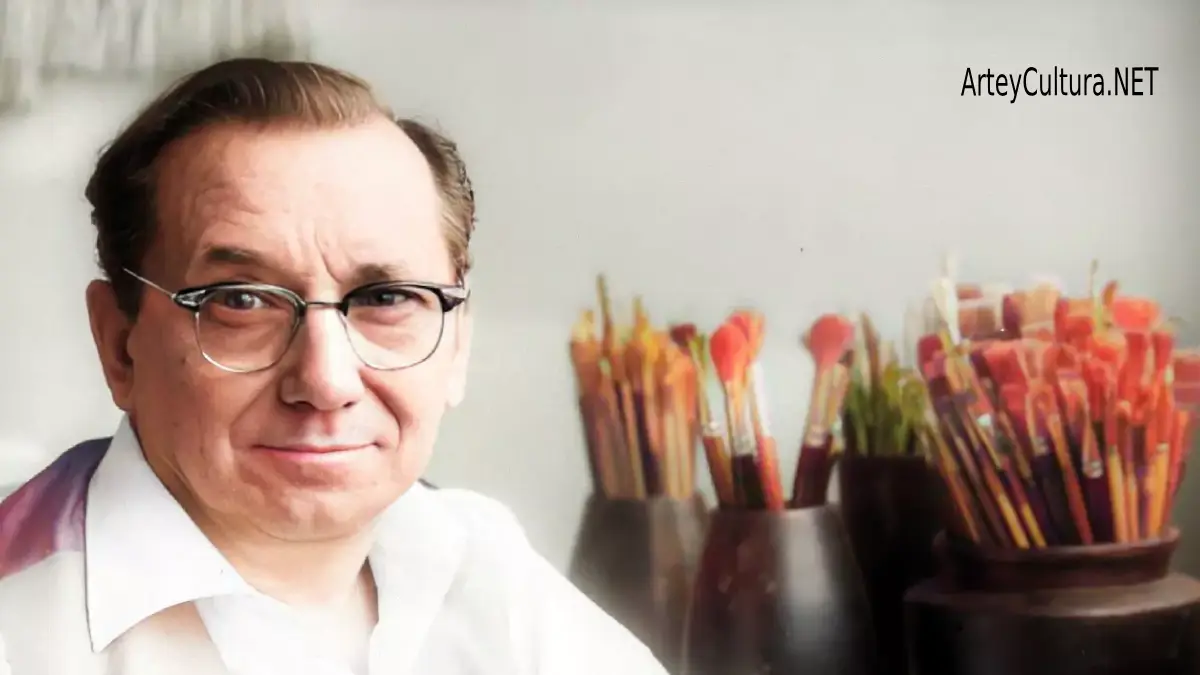
Candido Portinari was born in Brodowski, Sao Paulo, on December 29, 1903, and died in Rio de Janeiro on February 6, 1962. One of Brazil’s central modern painters, he gave monumental visibility to workers, migrants, children and the unequal society around them.
Coffee country and artistic training
The son of Italian immigrants, Portinari grew up on a coffee plantation. Rural labour, red earth and the bodies of agricultural workers remained powerful visual memories.
He studied in Rio de Janeiro and travelled to Europe after receiving a prize. Encountering historical and modern painting abroad strengthened his decision to represent Brazilian subjects rather than imitate a European school.
Modern form and social narrative
Portinari simplified bodies and enlarged hands and feet. These distortions communicate work, weight and attachment to land rather than lack of anatomical skill.
Groups often fill the composition, turning private suffering into a collective condition. The paintings move between memory, political concern and formal construction.
Visiting the Portinari Museum
This Portuguese-language museum presentation connects the artist with Brodowski and the environment of his youth. Place clarifies recurring subjects without reducing the works to autobiography.
Murals and public history
Portinari created murals for Brazilian public buildings and worked across religious, historical and labour themes. Mural scale allowed art to address audiences beyond private collections.
His political engagement included membership in the Brazilian Communist Party and electoral candidacies. Art and activism were related, though no painting should be treated as a simple party illustration.
War and Peace
The two enormous panels created for United Nations headquarters contrast violence with communal hope. Rather than narrating one event, they assemble archetypal bodies and gestures into a modern humanist statement.
This Portuguese musical tribute by Mercedes Sosa links Portinari’s imagery to Latin American song and shows how the paintings circulate beyond museum discourse.
Death and legacy
Portinari continued using pigments despite medical warnings and died from poisoning associated with paint. His legacy joined Brazilian modernity with social responsibility and insisted that the people who build a nation deserve to occupy its largest images.