Michelangelo's Darker Side: Conflict Behind the Myth of Genius
A critical view of the labour, rivalries, patronage, family pressures and unfinished commissions behind the extraordinary art of Michelangelo.
- Michelangelo
- Renaissance art
- Sistine Chapel
- Julius II tomb
- artist patronage
- artistic labour
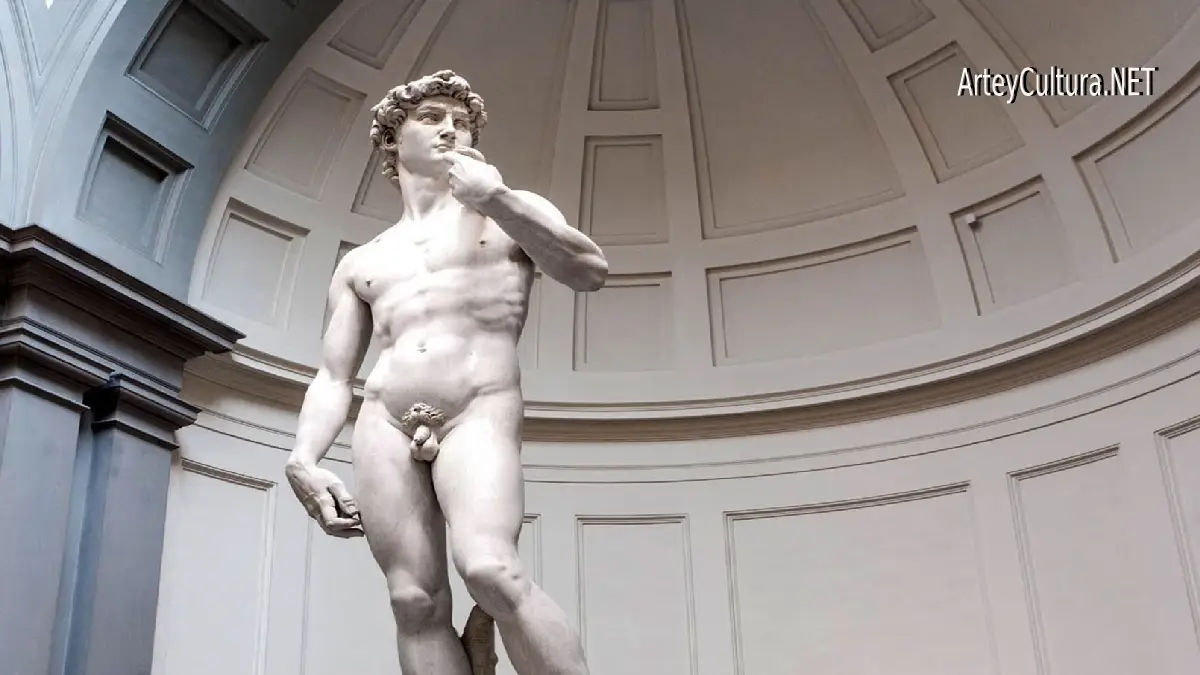
The familiar image of Michelangelo Buonarroti as an isolated, effortless genius hides a life shaped by physical labour, money, family obligation, rivalry and powerful patrons. Examining these tensions does not diminish the art; it restores the conditions under which it became possible.
Formation and Medici power
Michelangelo was born in 1475, trained in Florence and entered the cultural circle supported by Lorenzo de’ Medici. Talent opened doors, but those doors belonged to political and financial networks.
The Medici connection offered education and prestige while tying artistic opportunity to the unstable struggles of Florence.
Letters, money and family
Michelangelo’s correspondence reveals continual concern with payment, property and relatives who depended on him. He accumulated wealth yet often lived austerely and feared exploitation.
His difficult tone, suspicion and anger coexist with intense loyalty and an enormous capacity for work. Neither romantic torment nor simple unpleasantness explains the whole person.
Tragedies behind Renaissance fame
This English documentary surveys the pressures surrounding celebrated Renaissance artists. It helps separate polished masterpieces from the unstable lives, workshops and patronage systems behind them.
The tomb of Julius II
Pope Julius II commissioned an enormous tomb in 1505. Repeated redesigns, changing funds and competing papal projects stretched the commission across decades.
Michelangelo called it the “tragedy of the tomb.” The surviving Moses is a masterpiece, but it belongs to a history of frustration and incomplete ambition.
The Sistine Chapel
Painting the ceiling required years of planning, assistants, scaffolding and difficult negotiation with the papacy. Popular legend exaggerates some details—he did not simply paint while lying flat—but the physical strain was real.
This English full documentary places the Pieta, David and Sistine works within Michelangelo’s career and explains how technique and patronage shaped them.
Critical significance
“Genius” can name extraordinary invention, but it becomes misleading when it erases quarry workers, assistants, contracts and political power. Michelangelo’s legacy becomes more impressive, not less, when understood as artistic will operating inside material constraint.