Martha Graham: Body, Emotion and the Language of Modern Dance
The training, contraction-and-release technique, major choreography and legacy of Martha Graham, whose dramatic movement transformed twentieth-century dance.
- Martha Graham
- modern dance
- choreography
- Appalachian Spring
- dance technique
- American dance
Martha Graham was born in Allegheny, Pennsylvania, on May 11, 1894, and died in New York on April 1, 1991. Dancer, choreographer and teacher, she developed a physical language capable of carrying psychological conflict, myth and American history.
Training and independence
After seeing Ruth St. Denis perform, Graham studied at the Denishawn school led by St. Denis and Ted Shawn. She absorbed theatrical presentation and non-ballet movement before seeking a more austere vocabulary.
In 1926, she founded her own company. Its survival required choreography, teaching, touring and the gradual construction of an institution around a new technique.
Contraction and release
Graham technique begins in breathing and the torso. Contraction gathers energy through the centre; release extends it without becoming collapse.
Weight, pelvis, spiral and contact with the floor oppose the ideal of effortless decorative lightness. Emotion is not acted on top of movement: it is organised through physical tension.
Appalachian Spring
This language-neutral performance excerpt shows how clear gestures and ensemble spacing build an American community. Aaron Copland wrote the score, and Isamu Noguchi’s spare set turns a few forms into an entire frontier environment.
Major works and collaborators
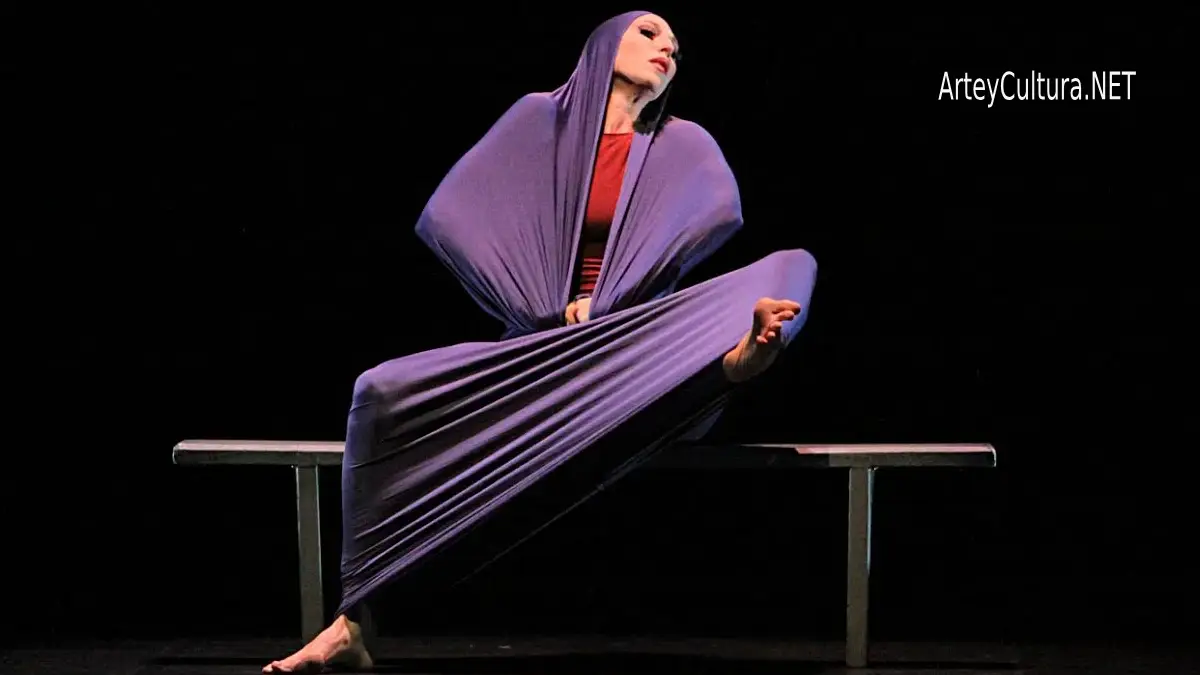
Lamentation encases the seated dancer in stretch fabric, making grief visible as resistance within the body. Cave of the Heart and Night Journey reinterpret Greek myth from the psychological perspective of women.
Graham collaborated with major composers, visual artists and dancers. Her company became a laboratory where modern movement, music and design were created together.
Crisis and return
Ageing and retirement from performance brought a severe personal crisis, but Graham returned to choreograph and teach. Her late career raises difficult questions about preserving works whose original performer and creator were inseparable from them.
This English documentary connects Graham’s life with the technique and repertory maintained by her company.
Achievements and legacy
Graham received the Presidential Medal of Freedom and created more than 180 works. Her legacy made modern dance a language for tragedy and thought, not merely an alternative style of beautiful movement.