The Nude in Art: Body, Ideal, Vulnerability and the Gaze
A critical history of the nude from antiquity and academic study to modernism, photography, performance and debates about gender, consent and representation.
- nude in art
- figure study
- art history
- body politics
- feminist art
- performance art
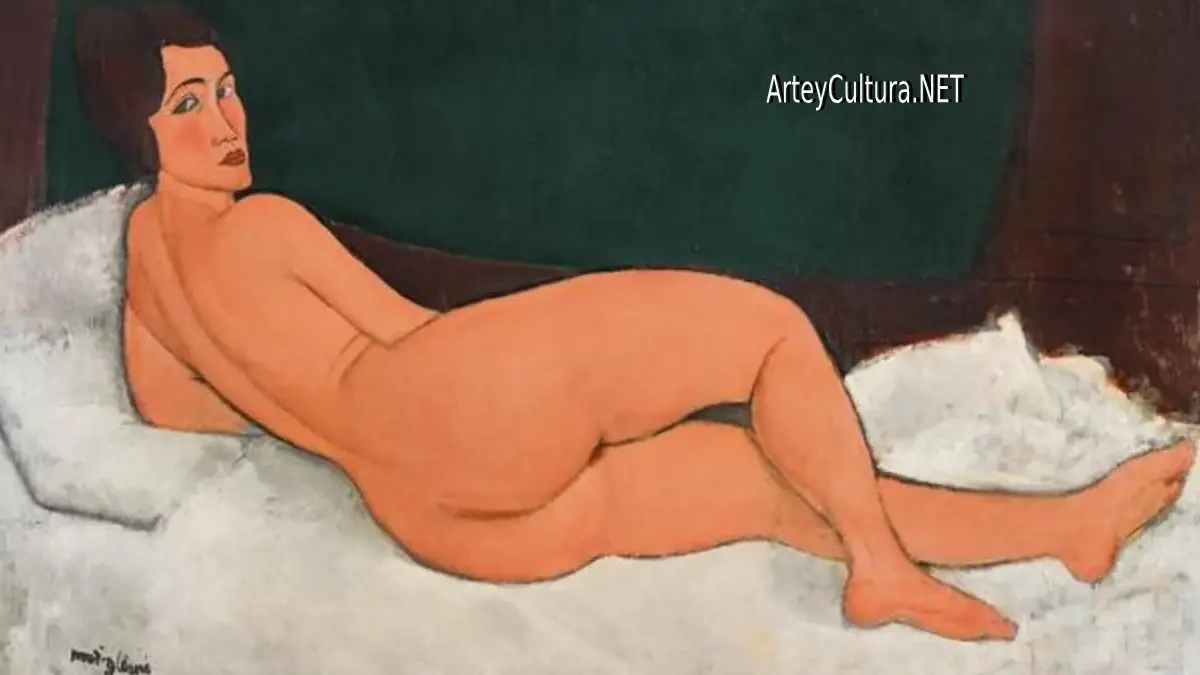
The nude in art is not one universal subject. Every represented body is shaped by its period, medium, belief system, patron, intended viewer and relationship of power between artist and model.
Antiquity and the ideal body
Greek art connected some male nudity with athletics, heroism and divine form, while conventions for female bodies developed differently. Roman artists adapted Greek models for new political, domestic and funerary settings.
These bodies were never neutral records of anatomy. Proportion and pose communicated cultural ideals about citizenship, gender and authority.
Christianity and Renaissance recovery
Christian traditions represented nudity as innocence, fall, humiliation, suffering or resurrection. The Renaissance renewed sustained anatomical study and classical forms, but religious meaning continued to determine when and how bodies could appear.
Academies later made drawing from the live model central to artistic education. Access was unequal: women artists were often excluded from classes considered necessary for the most prestigious genres.
An English historical overview
This English video compares changing functions of the nude across art history. Its chronological range helps prevent religious, mythological and erotic images from being treated as equivalent.
Modernity and the viewer’s position
Goya, Manet, Picasso and many others challenged idealised conventions. Manet’s Olympia was controversial not simply because of nudity, but because the model’s direct gaze disrupted the expected fiction of passive availability.
Photography complicated claims of truth, while feminist artists asked who has historically been allowed to look, create and control circulation of an image.
Performance, consent and presence
This English Royal Academy presentation of Marina Abramovic’s Imponderabilia shifts the nude from represented object to a live encounter. The work raises questions about bodily proximity, institutional framing and audience consent.
Contemporary responsibility
Context does not eliminate ethical questions. Age, coercion, ownership, digital circulation and the model’s agency matter alongside formal analysis.
The subject’s transcendence lies in its instability. The nude can communicate beauty, vulnerability, violence, identity or resistance; understanding which requires asking who shows whose body, to whom and under what conditions.