Santiago Roncagliolo: Memory, Violence and Narrative Tension
The transnational life, crime fiction, historical investigation and developing legacy of Peruvian writer Santiago Roncagliolo, winner of the 2006 Alfaguara Prize.
- Santiago Roncagliolo
- Peruvian literature
- Red April
- political violence
- Alfaguara Prize
- Latin American fiction
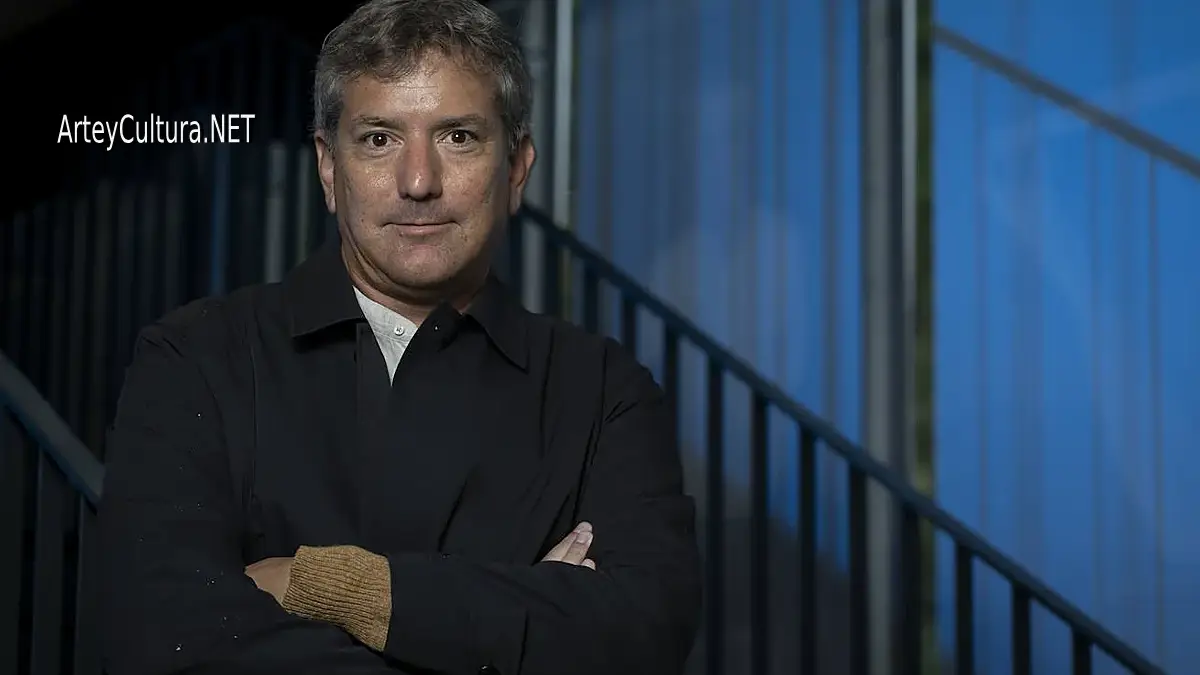
Santiago Roncagliolo was born in Lima on March 29, 1975. A Peruvian novelist, playwright, screenwriter, translator and journalist, he combines popular narrative forms with investigations of political violence, family secrecy and fear.
Exile, return and language
Roncagliolo spent part of his childhood in Mexico because of his family’s political exile and later returned to Peru. He studied Linguistics and Literature before establishing himself in Spain.
This movement between countries shaped a writing life that is Peruvian without being enclosed by one national market. Distance can sharpen memory while also making certainty more difficult.
Genre as a way into history
Crime, suspense and horror provide strong narrative propulsion in his work. They are not merely commercial packaging: investigation reveals institutions that fail, memories that have been suppressed and ordinary people negotiating danger.
Humour creates another form of distance. It allows frightening material to be approached without pretending that violence becomes harmless.
The writer in a television interview
This Spanish-language conversation lets Roncagliolo describe how documentation and personal experience become fiction. It also shows the deliberate craft behind prose designed to remain accessible.
Red April
Abril rojo follows a prosecutor during Holy Week in Ayacucho as apparent murders revive the atmosphere of Peru’s internal armed conflict. The protagonist’s faith in paperwork becomes both comic and dangerous.
The novel won the 2006 Alfaguara Prize. Its thriller structure brought a difficult national history to international readers while leaving moral responsibility unresolved.
Other books and changing concerns
Works such as Pudor, La noche de los alfileres and Y libranos del mal turn toward family, adolescence, abuse and collective silence. Children’s books, journalism and screen work reveal a deliberately varied career.
In this Spanish interview about Memorias de una dama, Roncagliolo discusses the border between documented lives and narrative ownership.
A legacy still developing
Roncagliolo’s ongoing achievement is to connect complex Latin American histories with readers through compelling form. Suspense asks what happened; his strongest work then asks why a society needs not to know.