Luis Rosales: Poetry, Memory and the Illuminated House
The life, post-war poetry, major books and legacy of Luis Rosales, the Spanish poet who transformed domestic memory into existential meditation.
- Luis Rosales
- Spanish poetry
- Generation of 1936
- The Illuminated House
- Granada
- post-war literature
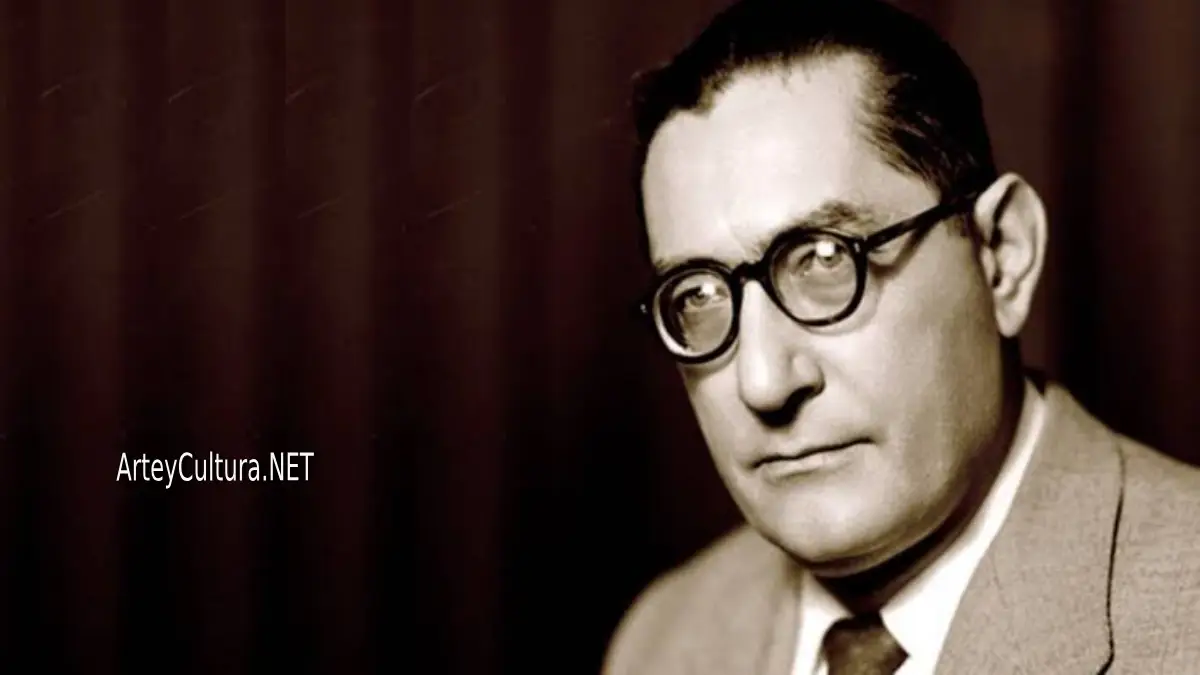
Luis Rosales Camacho was born in Granada on May 31, 1910, and died in Madrid on October 24, 1992. Poet, essayist and member of the Generation of 1936, he moved from classical forms toward a conversational poetry in which home, faith, loss and memory become existential spaces.
Granada and literary formation
Rosales studied Philosophy and Letters and participated in the literary life of Granada and Madrid. His early work was shaped by the Spanish classical tradition, the innovations of the Generation of 1927 and the crisis that led to civil war.
His family were friends of Federico Garcia Lorca. Lorca sought refuge in the Rosales home in August 1936 before his arrest and murder, an episode that marked the family and Rosales’s later public memory.
Poetry after catastrophe
Rosales’s career developed under Franco’s dictatorship, and his political affiliations have remained part of critical debate. Reading him responsibly requires neither erasing that context nor reducing every poem to a political label.
His language became increasingly open to prose rhythm, anecdote and self-questioning. Ordinary rooms and family gestures carry the pressure of absence and time.
The poet in conversation
In the first part of this Spanish interview, Rosales discusses literature and experience with deliberate, reflective cadence. The recording preserves how his spoken language approaches the movement of his poetry.
The Illuminated House
La casa encendida is his best-known book. The house is at once a physical dwelling, a structure of memory and a path through friendship, love and grief.
Narrative passages, dialogue and lyric concentration flow into one another. The work demonstrates that a long poem can contain domestic detail without losing philosophical depth.
A second archival encounter
This second Spanish interview segment expands the literary and generational context. First-person testimony is valuable, though the poems continue to exceed the author’s later explanations.
Achievements and legacy
Rosales entered the Royal Spanish Academy and received the Cervantes Prize in 1982. His legacy lies in making intimacy architecturally large: a house, a remembered voice and an ordinary day can hold the historical weight of an era.