Joe Arroyo: The Rebellious Voice of the Colombian Caribbean
The Cartagena childhood, bands, original Caribbean fusion, major songs and legacy of Joe Arroyo, the Colombian singer and composer behind Rebelión.
- Joe Arroyo
- Colombian music
- salsa
- Caribbean music
- Rebelión
- Fruko y sus Tesos
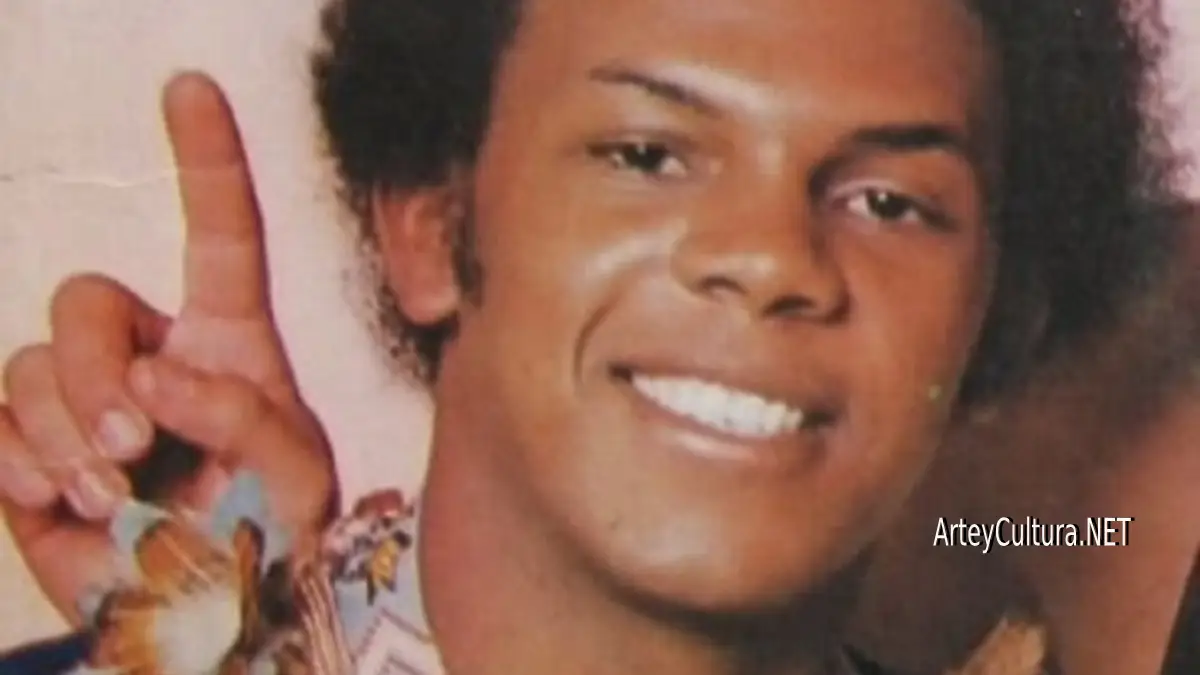
Álvaro José Arroyo González, known as Joe Arroyo, was born in Cartagena on November 1, 1955, and died in Barranquilla on July 26, 2011. Singer, bandleader and composer, he turned the histories and rhythmic diversity of Colombia’s Caribbean coast into a powerful popular language.
Singing from childhood
Arroyo grew up in Cartagena and sang from an early age. Stories about performances in clubs during childhood reflect economic hardship as well as exceptional musical precocity.
He absorbed music from neighbourhoods, radio, dance halls and the broader Caribbean. This environment made genre boundaries porous long before he acquired a national platform.
Fruko y sus Tesos
In the 1970s, Arroyo became a defining voice of Fruko y sus Tesos, one of Colombia’s most influential salsa groups. His rough, bright timbre and rhythmic attack could cut through forceful brass and percussion.
He also worked with other ensembles, learning how arrangements, choruses and studio discipline turn a charismatic singer into the centre of a coordinated band.
Inside the recording studio
This Spanish-language studio record shows Arroyo within the collaborative process. It is valuable because finished records can hide the repeated decisions through which groove, vocal emphasis and ensemble balance are built.
La Verdad and the “joeson”
Arroyo founded La Verdad and developed a personal mixture sometimes called joeson. Salsa, cumbia, porro, chandé, soca and African-derived rhythms interact without collapsing into one generic tropical style.
The label identifies his originality, but the music remained collective. Brass players, percussionists, arrangers and choruses were essential to the sound associated with his name.
Rebelión and historical memory
Rebelión narrates the resistance of an enslaved African couple in colonial Cartagena. Its unforgettable refrain turns violence against a woman into the point at which submission breaks.
The song brought a history of slavery into dance music without reducing either history or dance. Its continued popularity shows that collective celebration can carry painful memory.
Other defining songs include En Barranquilla me quedo, La noche and Tania. Together they move between civic belonging, romance, drama and pure rhythmic release.
Music for the dancer
This Spanish-language performance of Pal Bailador foregrounds Arroyo’s relationship with dancers. Calls, accents and repeated phrases make the audience an active part of the musical structure.
Achievements and legacy
Arroyo received numerous Congos de Oro at Barranquilla’s Carnival and a Latin Recording Academy Lifetime Achievement Award. His legacy is a Caribbean modernity rooted in history: inventive, danceable and unmistakably Colombian.