Marcel Proust: Memory, Time and the Architecture of a Novel
The life, involuntary memory, social observation and literary legacy of Marcel Proust, author of the seven-volume In Search of Lost Time.
- Marcel Proust
- In Search of Lost Time
- French literature
- modernist fiction
- memory
- novel history
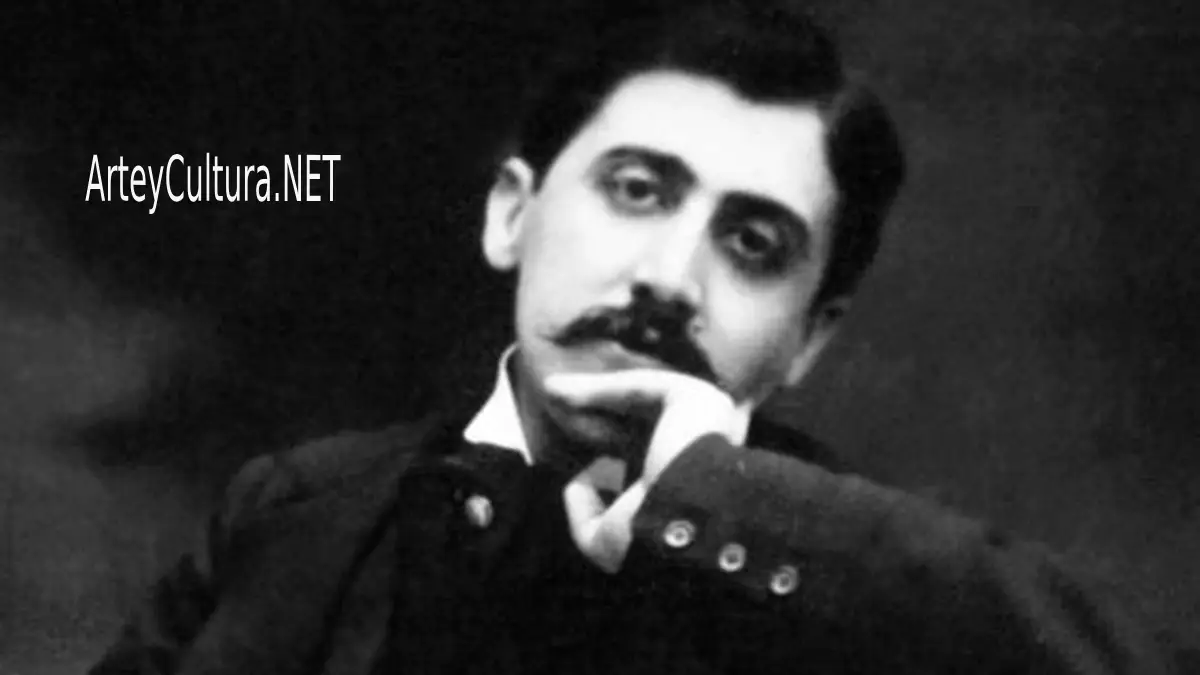
Valentin Louis Georges Eugene Marcel Proust was born in Paris on July 10, 1871, and died there on November 18, 1922. His vast novel In Search of Lost Time transformed memory, social observation and the experience of time into an unprecedented narrative architecture.
Family, illness and Parisian society
Proust grew up in a prosperous family and suffered asthma from childhood. He studied law and literature, wrote journalism and moved through Parisian salons whose rituals and hierarchies later supplied material for fiction.
Biography and novel overlap, but they are not identical. The unnamed Narrator rearranges, combines and transforms people and events; reading every character as a disguised acquaintance diminishes the book’s imaginative construction.
Before the great novel
Proust published Pleasures and Days and translated works by John Ruskin, with substantial assistance because his English was limited. His engagement with Ruskin deepened his thinking about art, architecture and attention.
The unfinished Jean Santeuil and critical project later called Against Sainte-Beuve contain experiments that eventually entered the mature novel.
How Proust can change a life
This full English film, featuring Ralph Fiennes and based on Alain de Botton’s book, introduces Proust through practical questions about attention, disappointment and everyday life. It offers an accessible doorway without replacing the novel’s complexity.
Involuntary memory
The famous madeleine episode is not simply nostalgia. A taste unexpectedly recovers Combray with a force that deliberate recollection could not produce. Sensation reveals that the past survives in forms consciousness cannot command directly.
Such moments provide a model for art. The writer must shape recovered experience, discovering relationships that ordinary habit had made invisible.
Seven volumes and one architecture
The novel appeared between 1913 and 1927, with later volumes published after Proust’s death. In the Shadow of Young Girls in Flower received the Prix Goncourt in 1919.
Across the sequence, love becomes entangled with jealousy, social prestige proves unstable and characters change as time alters both bodies and the Narrator’s understanding. Long sentences reproduce not confusion but the layered qualifications of consciousness.
An English introduction to the work
This English presentation focuses on A la recherche du temps perdu as a complete project. It helps orient new readers to recurring characters and themes before they enter the novel’s slower rhythm.
Achievement and legacy
Proust demonstrated that a novel could make perception itself into plot. His influence extends through modern fiction, philosophy and memory studies, but his deepest lesson remains available to any reader: lost time cannot be restored unchanged, yet art can reveal the form it left within us.