Rock Art in Spain: Prehistoric Memory on Stone
The chronology, techniques, major sites and conservation of Spain's Palaeolithic cave art and later open-shelter traditions, from Altamira to the Mediterranean arc.
- Spanish rock art
- Altamira
- Palaeolithic art
- prehistoric art
- Iberian Peninsula
- UNESCO heritage
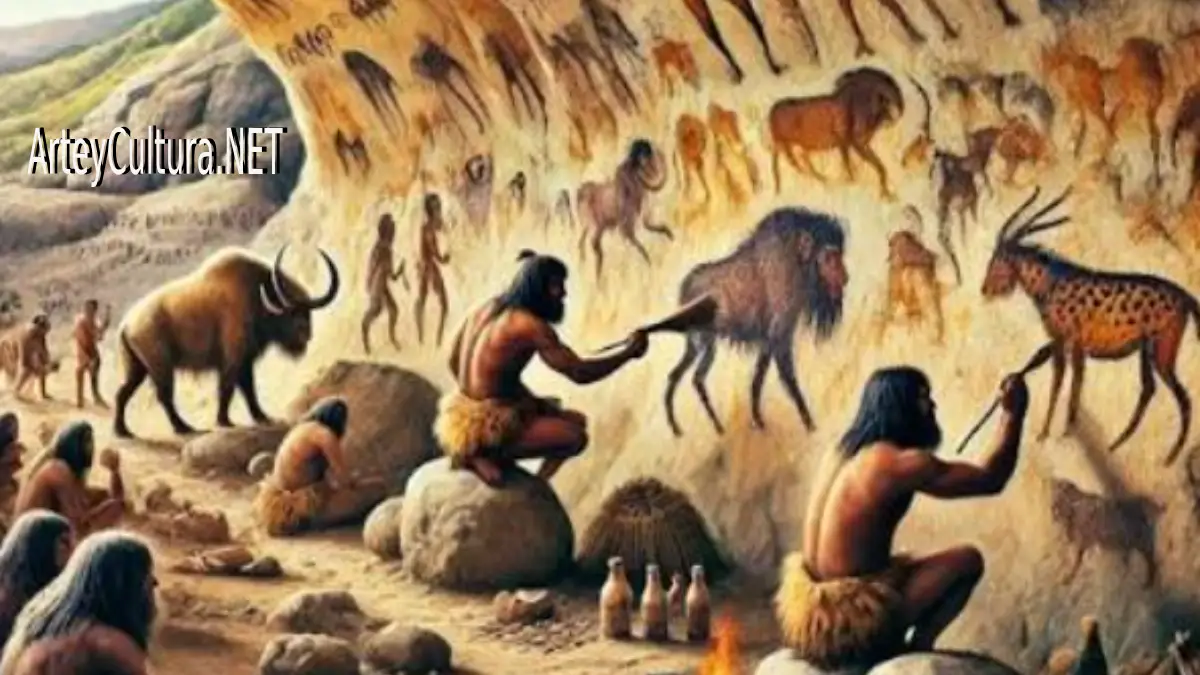
Spain preserves one of the world’s richest concentrations of Palaeolithic and post-Palaeolithic rock art. Paintings and engravings survive in deep northern caves and in open shelters across the Mediterranean regions, but they do not belong to one period, people or purpose.
Many traditions, not a single “cave art”
Northern Palaeolithic sites frequently contain bison, horses, deer, signs and hand images made tens of thousands of years ago. Later Levantine rock art in eastern Spain often presents smaller human figures hunting, gathering or moving in groups.
Chronologies remain subjects of research. The differences in setting, scale and subject warn against turning all prehistoric images into one universal symbolic language.
Pigment, engraving and natural rock
Artists used charcoal, mineral oxides and engraving. They rubbed, blew, drew or painted material onto stone and sometimes incorporated bulges and fissures into the apparent volume of an animal.
Firelight would have produced changing shadows, but modern claims about ritual or animation must be distinguished from what material evidence can securely demonstrate.
A tour of the Iberian Peninsula
This UNESCO and NHK presentation introduces Altamira and the Palaeolithic caves of northern Spain. Its views of animals, signs and cave surfaces place individual images within a protected network of archaeological sites.
Altamira and the history of recognition
Marcelino Sanz de Sautuola investigated Altamira and published its prehistoric interpretation in 1880 after his daughter Maria noticed paintings on the cave ceiling. Many authorities rejected the claim as too accomplished to be ancient.
Discoveries elsewhere eventually confirmed the existence of sophisticated Ice Age painting, and Altamira’s authenticity gained acceptance. The episode is a warning about assumptions that underestimate prehistoric intelligence.
Dating and interpretation
Researchers combine archaeology, pigment study, radiocarbon dating where suitable and uranium-series methods on mineral deposits. Every method has limits, and a date for one material layer may not automatically date every neighbouring image.
Interpretations range from hunting and ritual to social communication and place-making. Responsible accounts present these as hypotheses rather than recovered eyewitness explanations.
Altamira introduced by its museum
This English visit to Altamira situates its celebrated ceiling within the wider UNESCO landscape. The presentation helps explain why controlled access and museum interpretation are necessary to protect the fragile original cave.
Conservation and transcendence
Breath, heat, microbes and changes in humidity can damage cave environments. Restricted access and replicas are therefore forms of preservation, not barriers placed against culture.
UNESCO recognises Altamira with other northern caves and separately protects the Rock Art of the Mediterranean Basin. Their transcendence lies in evidence that image-making, skilled observation and symbolic thought have extraordinarily deep human histories.