Susana Baca: Voice, Research and Afro-Peruvian Memory
The life, musical research, international career and cultural legacy of Susana Baca, the singer who made Afro-Peruvian poetry and rhythm audible around the world.
- Susana Baca
- Afro-Peruvian music
- Peruvian culture
- María Landó
- cultural research
- Latin American music
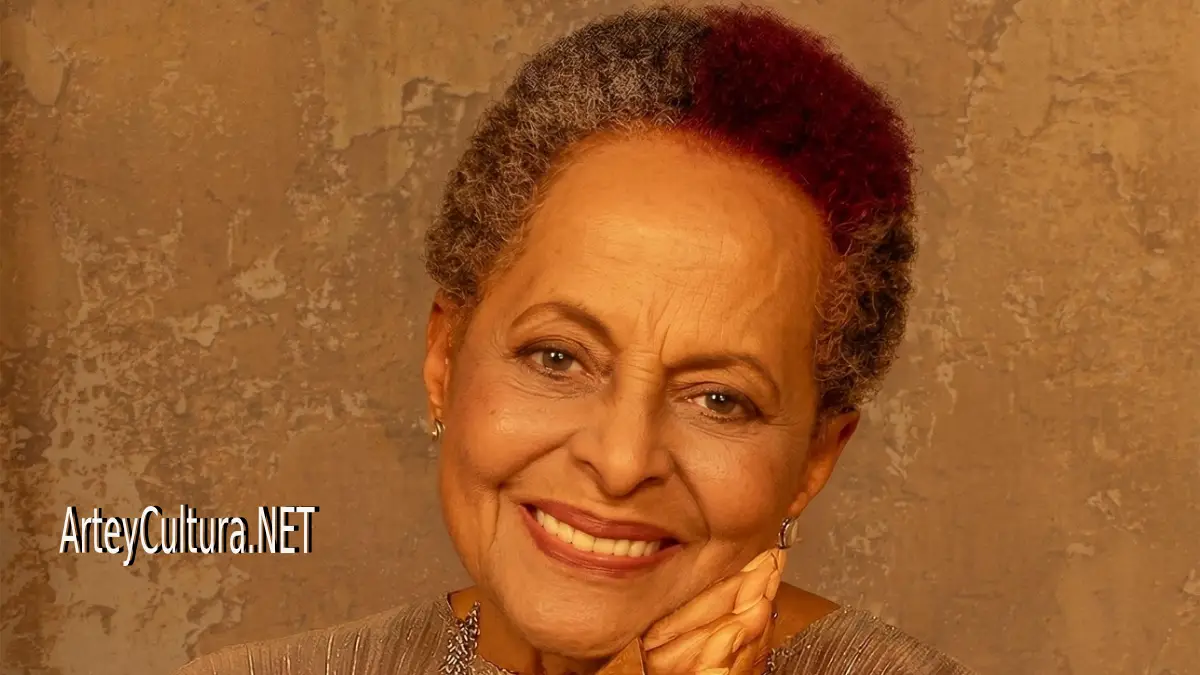
Susana Esther Baca de la Colina was born in Lima on May 24, 1944. Singer, educator and researcher, she has been a decisive international voice for Afro-Peruvian music and for the communities whose oral memory sustained it.
Chorrillos and a musical family
Baca grew up in Chorrillos among relatives who sang and played instruments. She studied education and developed a musical career in which performance remained connected with teaching and investigation.
Afro-Peruvian culture had long been marginalised within official narratives of national identity. Recovering repertory therefore required more than collecting melodies: it meant recognising the people, places and histories that carried them.
Research along the Peruvian coast
With her husband and collaborator Ricardo Pereira, Baca travelled through coastal communities, documenting songs, dances and testimony. Their work contributed to books, recordings and an archive devoted to living culture.
The couple established the Instituto Negrocontinuo and a cultural centre in Cañete. These initiatives connect preservation with transmission rather than treating tradition as a sealed historical object.
A Tiny Desk concert
This NPR Music performance includes Spanish introductions and songs. Its intimate scale highlights Baca’s controlled dynamics: voice, guitar, cajón and percussion converse without covering the poetry.
María Landó and international recognition
Baca’s interpretation of María Landó, with poetry by César Calvo and music by Chabuca Granda, reached a wider global audience through the compilation The Soul of Black Peru.
The song’s quiet intensity describes labour and inequality without turning the protagonist into abstraction. Baca’s phrasing gives each line room to register as lived experience.
Her international recordings joined traditional repertory with contemporary arrangements and poetry from across Latin America. Collaboration did not dilute the tradition; it showed its capacity for new relationships.
Live at Joe’s Pub
This concert record, performed primarily in Spanish, shows how Baca builds collective energy through restraint. Silence and pulse matter as much as vocal power, and the ensemble’s listening is visible throughout.
Public service and achievements
Baca received Latin Grammy recognition and in 2011 became Peru’s Minister of Culture. She was the second Afro-Peruvian cabinet minister in the country’s history and later served in regional cultural roles.
Her legacy joins artist and archivist. She does not present Afro-Peruvian music as a rediscovered curiosity, but as a living source of knowledge, beauty and national self-understanding.