Antoni Tàpies: Matter, Signs and Historical Memory
The life, material painting, political context and legacy of Antoni Tàpies, the Catalan artist who turned walls, dust and everyday objects into fields of memory.
- Antoni Tàpies
- Catalan art
- matter painting
- informalism
- Dau al Set
- Fundació Antoni Tàpies
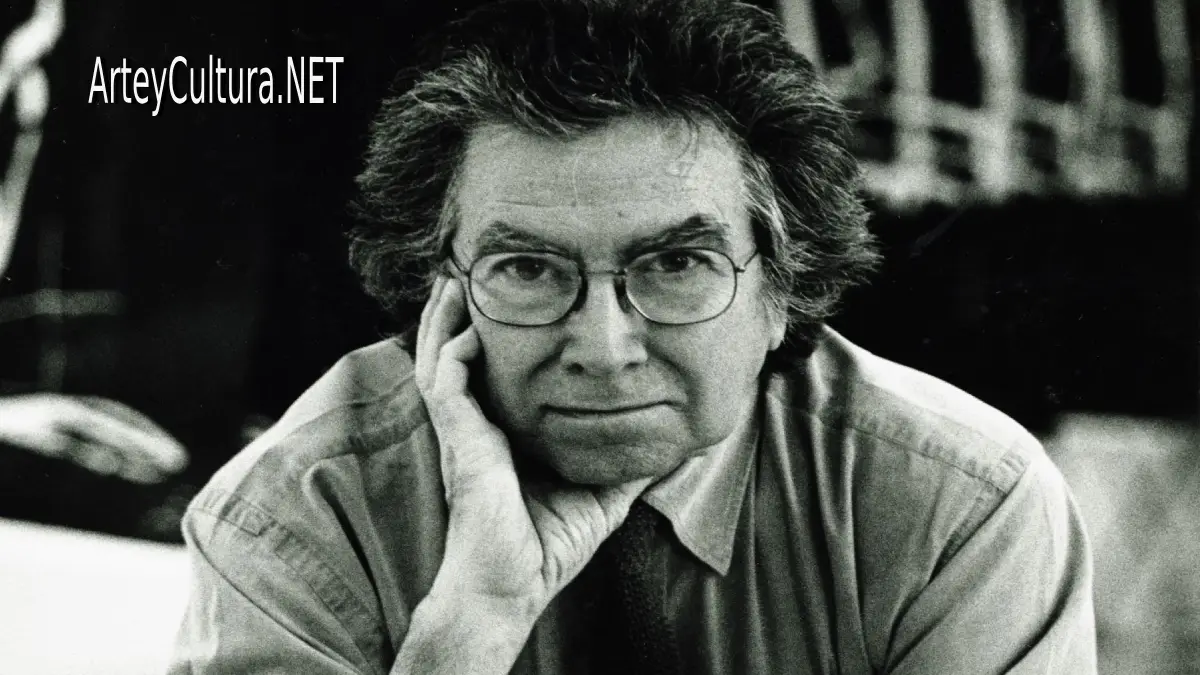
Antoni Tàpies i Puig was born in Barcelona on December 13, 1923, and died there on February 6, 2012. Painter, sculptor, printmaker and writer, he transformed dust, marble powder, rope, cloth and humble objects into surfaces marked by time, body and political memory.
Illness and self-education
A long period of convalescence during youth gave Tàpies time to draw, read and study reproductions. Although he began law studies, art became his central commitment.
In 1948, he helped establish Dau al Set, a Catalan group open to Surrealism, magic and experimentation during the cultural repression of Franco’s Spain.
From magic imagery to matter painting
Tàpies gradually moved away from recognisable dream imagery toward dense, wall-like surfaces. He mixed paint with sand and marble dust, scratched it, pressed materials into it and allowed cracks or abrasions to remain visible.
These are not accidental damage. The surface records actions and suggests skin, urban walls, graves or archaeological remains. Painting becomes a material event before it represents an external scene.
Tàpies from the inside
This Catalan and Spanish documentary from the Museu Nacional d’Art de Catalunya approaches the artist through his work and environment. Close views reveal why texture and scale are essential to an experience that photographs only partly convey.
Crosses, letters and ordinary objects
Crosses, the letter T, numbers, footprints and fragments of writing recur throughout Tàpies’s work. Their meanings remain mobile: a cross may evoke a signature, a body, cancellation, spirituality or injury.
Furniture, blankets, socks and other ordinary things also enter paintings and sculpture. By shifting attention toward what culture discards, Tàpies asks viewers to discover significance without relying on precious materials.
Politics, philosophy and Catalan identity
His art responded to political repression and defended Catalan culture, though it rarely functioned as simple illustration. Tàpies also read Zen Buddhism and other philosophical traditions that encouraged attention to impermanence and apparently insignificant matter.
The spiritual dimension does not erase history. A damaged wall can carry meditation and the trace of violence at the same time.
A BBC portrait in English
This English BBC documentary allows Tàpies’s ideas and methods to be considered within post-war European art. The studio footage clarifies the physical decisions behind surfaces that may first appear accidental.
Achievements and legacy
Tàpies received the Velázquez Prize for Plastic Arts and established the Fundació Antoni Tàpies in Barcelona. His legacy lies in expanding painting beyond image: matter itself can remember touch, duration, repression and resistance.