Tomas Tranströmer: Poetry Between Consciousness and Landscape
The life, psychological work, poetry, music and Nobel legacy of Tomas Tranströmer, whose compressed images open passages between inner and material worlds.
- Tomas Tranströmer
- Swedish poetry
- Nobel Prize in Literature
- Nordic literature
- modern poetry
- translation
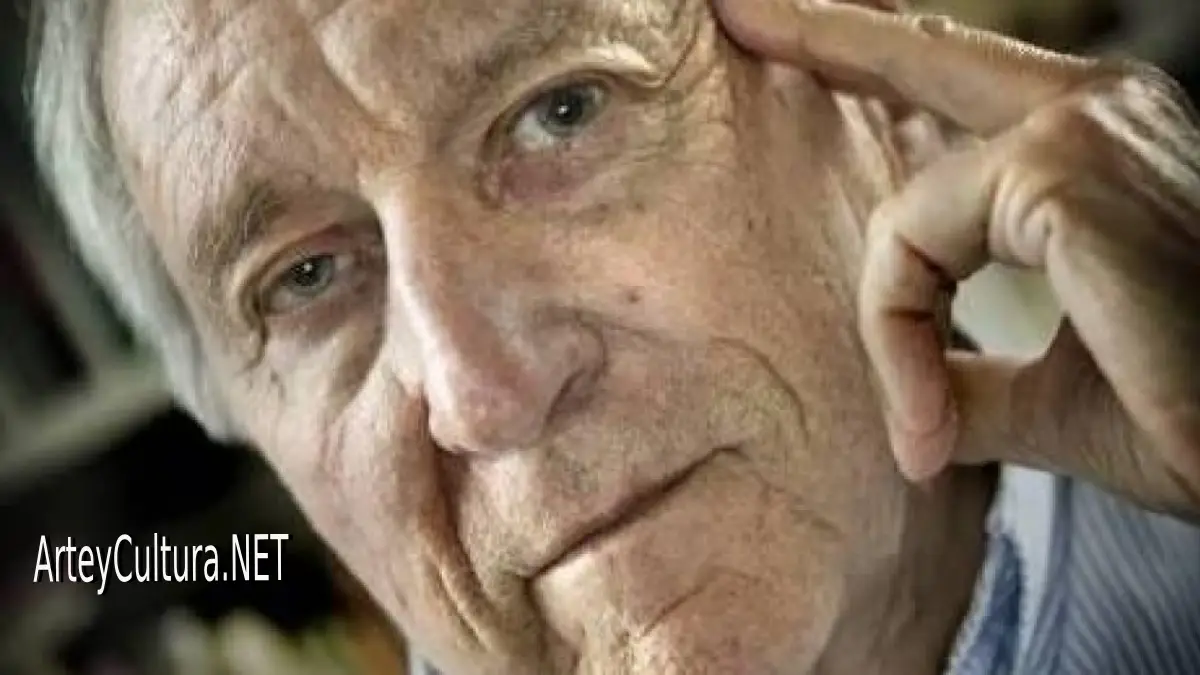
Tomas Gösta Tranströmer was born in Stockholm on April 15, 1931, and died there on March 26, 2015. A psychologist, poet and pianist, he created a compact body of work in which landscape, dream, music and consciousness suddenly open into one another.
Psychology and poetry
Tranströmer studied psychology, literary history and related subjects at Stockholm University. He worked with juvenile offenders, people with disabilities, prisoners and unemployed clients while continuing to write.
This professional life placed him near experiences of confinement and transition, yet his poems rarely turn case histories into direct narrative. Instead, attention to mind and perception enters their structure.
A first book and a disciplined career
His debut collection, 17 Poems, appeared in 1954 and immediately established his precision. Later books include The Half-Finished Heaven, Baltics, For the Living and the Dead and The Great Enigma.
The output is relatively small. Revision and concentration matter more than volume; a brief poem may contain several shifts of scale, moving from a room or road into geological time or an altered state of awareness.
An archival interview in Swedish
This 1989 Swedish-language interview preserves Tranströmer’s voice and public manner. Even when the spoken language is unfamiliar, cadence and restraint offer useful evidence of the temperament surrounding the written work.
The image as an event of thought
In Tranströmer’s poetry, metaphor does not decorate an argument already complete. It is where discovery occurs. A landscape, musical phrase or ordinary object creates a connection that cannot be paraphrased without losing force.
His images remain concrete even when they approach the mysterious. Silence between sentences gives the reader room to complete the movement, making concision an expansion rather than a reduction.
Stroke, music and continued writing
In 1990, Tranströmer suffered a stroke that impaired speech and movement on his right side. He continued writing and played piano with his left hand; composers also created left-hand works for him.
Music had always been central to his imagination. After the stroke it became both a practice and a powerful sign that artistic life could continue through changed physical conditions.
Reading “Allegro”
This Swedish-language recording includes Tranströmer reading Allegro. The poem connects playing Haydn after a difficult day with an interior freedom that political and emotional pressures cannot fully reach.
Nobel Prize and legacy
Tranströmer received the 2011 Nobel Prize in Literature. His work has been translated into many languages, often through close collaboration with poets, making translation part of its global life.
His legacy lies in demonstrating how few words can enlarge perception. The poem does not explain the world from above; it creates a moment in which inner and outer realities unexpectedly recognise one another.