Diego Velázquez: Reality, Power and the Mystery of Painting
The life, royal career, major paintings and legacy of Diego Velázquez, the Spanish Baroque master who made perception itself the subject of art.
- Diego Velázquez
- Spanish Baroque
- Las Meninas
- Philip IV
- Prado Museum
- court portraiture
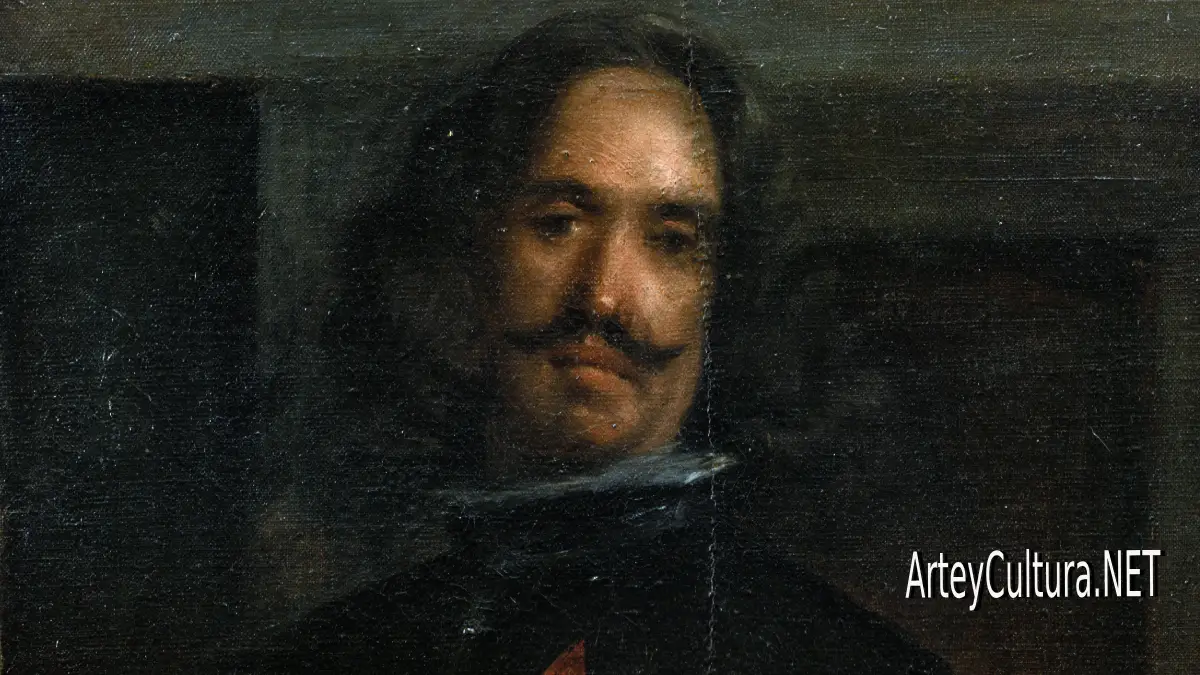
Diego Rodríguez de Silva y Velázquez was born in Seville on June 6, 1599, and died in Madrid on August 6, 1660. Court painter to Philip IV, he combined close observation with extraordinary control of atmosphere, status and pictorial uncertainty.
Seville and the art of observation
Velázquez trained with Francisco Pacheco, whose daughter Juana he married. His early Seville paintings include kitchen and tavern scenes in which ordinary people, pottery, metal and food receive intense attention.
Works such as The Waterseller of Seville demonstrate that realism is not merely accurate detail. Light, gesture and the relation between objects create gravity around an apparently simple exchange.
Entering the service of Philip IV
Velázquez moved to Madrid and became court painter in 1623. He portrayed Philip IV and members of the royal household across decades, recording both official position and subtle changes produced by age and experience.
Court employment also involved administrative duties and the organisation of royal spaces. His ambition to enter the Order of Santiago reveals the social limits faced by a painter seeking recognition as more than a manual craftsman.
Velázquez and the royal court
This Spanish-language Arte y Cultura TV programme places the painter within Philip IV’s court. The works show how clothing, posture and controlled space construct power without eliminating individual presence.
Italy and an expanded visual language
Two journeys to Italy allowed Velázquez to study ancient sculpture, Venetian colour and contemporary painting. The Forge of Vulcan and the Rokeby Venus demonstrate his engagement with mythology and the nude.
The Portrait of Pope Innocent X combines ceremonial authority with an unnervingly alert face. Velázquez’s increasingly open brushwork resolves into convincing form at the proper viewing distance.
History, dignity and difference
The Surrender of Breda avoids a simple image of humiliation by staging a courteous encounter between commanders. His portraits of court dwarfs and jesters likewise grant sitters a psychological presence frequently denied by their social roles.
Such paintings still belong to a hierarchical court, but their attention complicates the categories through which that court organised human difference.
A visual survey in English
This English-titled overview compares portraits, religious scenes and mythological works. It makes the evolution from firm early modelling to the atmospheric freedom of the late paintings especially visible.
Las Meninas and the act of looking
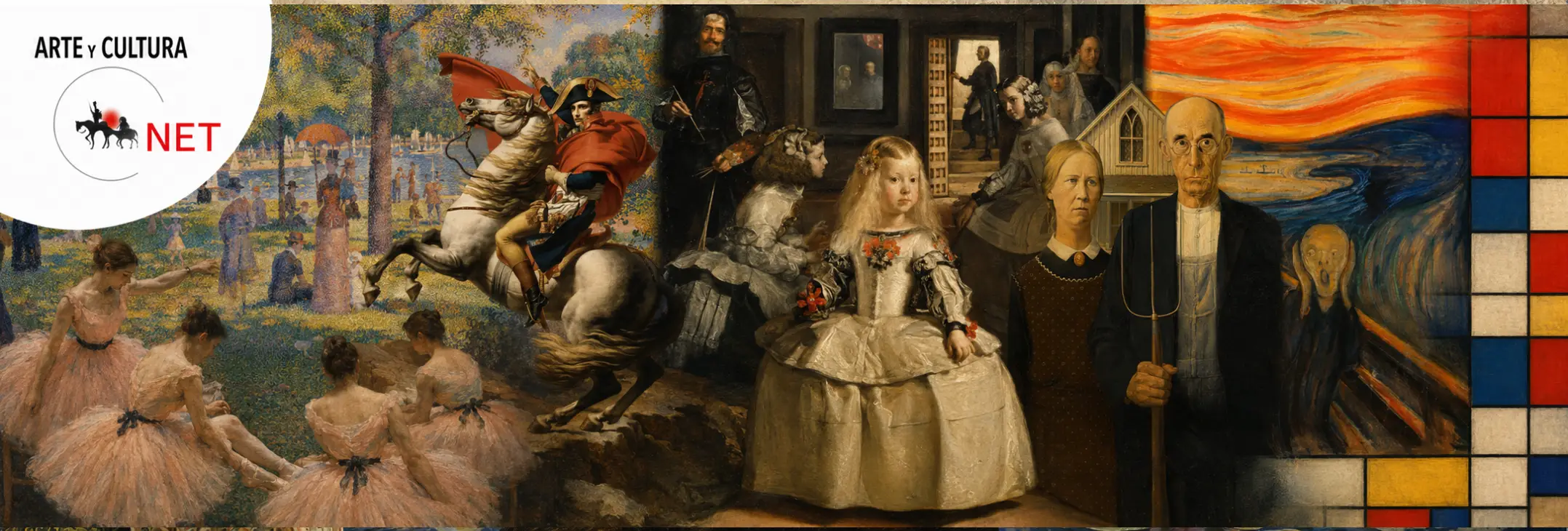
Painted in 1656, Las Meninas includes the Infanta Margarita, attendants, a dog, the artist at a large canvas and the king and queen reflected in a mirror. A figure pauses in an illuminated doorway while the viewer occupies an uncertain position outside the image.
There is no single stable centre. The work asks who is looking, who is being painted and whether the royal couple occupy our position. Representation becomes the subject of representation.
Achievements and legacy
Velázquez transformed court portraiture and inspired Manet, Sargent, Picasso and Francis Bacon. His achievement lies in joining official power with visual intelligence: paint can create a world while reminding us that seeing is always shaped by position.