Amália Rodrigues: The Voice That Carried Fado Around the World
The life, repertoire, international career and legacy of Amália Rodrigues, the Portuguese singer whose dramatic phrasing transformed the global reach of fado.
- Amália Rodrigues
- fado
- Portuguese music
- Lisbon
- Portuguese guitar
- world music
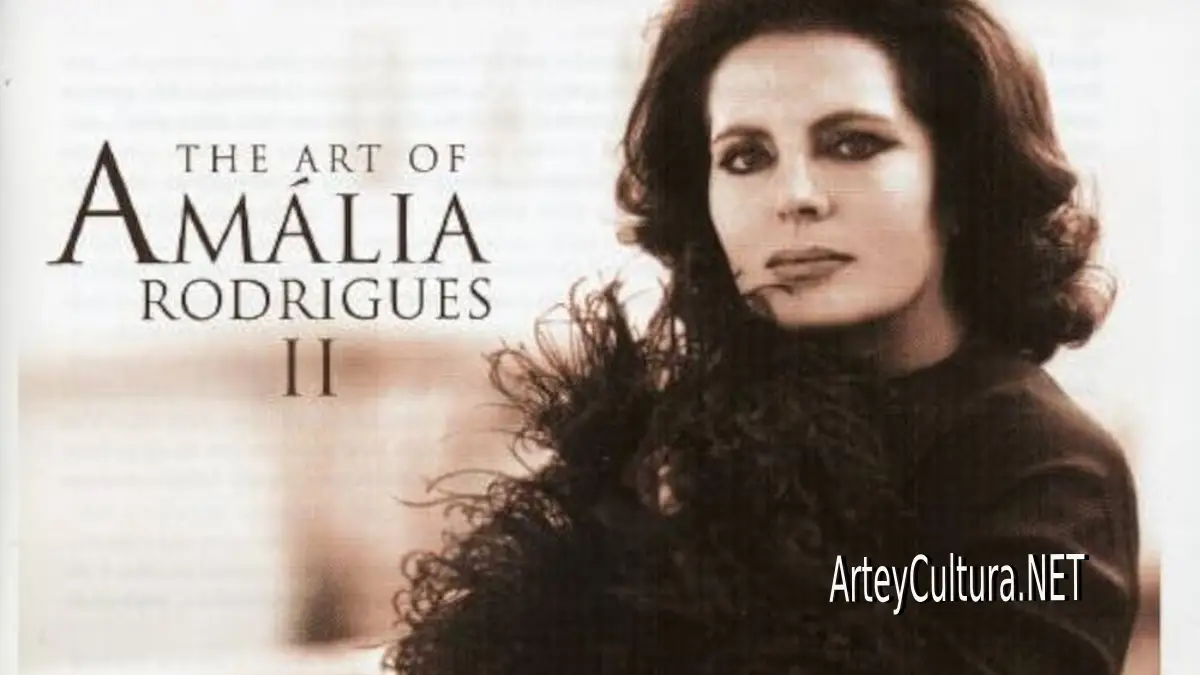
Amália da Piedade Rodrigues was born in Lisbon on July 23, 1920, the date recorded on her birth certificate; because her family had doubts about the exact day, she celebrated her birthday on July 1. She died in Lisbon on October 6, 1999. Known simply as Amália, she became the most internationally influential interpreter in the history of Portuguese fado.
Popular Lisbon origins
Amália grew up in modest circumstances and sang at neighbourhood celebrations before entering professional fado houses in the late 1930s. Her voice, dramatic concentration and stage presence quickly distinguished her.
Fado already possessed a rich history. Her achievement was not to invent it but to expand its expressive vocabulary and bring it into theatres, cinema, recordings and international concert halls.
Voice, silence and accompaniment
Amália could move from intimate speech-like phrasing to sustained intensity without sacrificing verbal clarity. The Portuguese guitar and viola did not merely accompany her; their responses shaped a dramatic conversation around each poem.
Silence was equally important. A pause could delay resolution, focus attention on a word or make the next musical entry feel inevitable.
Singing Lisbon
In this Portuguese-language performance of Lisboa Antiga, the city becomes both location and memory. Even without understanding every word, an English-speaking listener can hear how rhythmic flexibility allows the melody to breathe around the text.
Repertoire and poetic renewal
Her famous repertoire includes Coimbra, Barco Negro, Povo que Lavas no Rio and Estranha Forma de Vida. She also sang poetry by major Portuguese writers, including Luís de Camões and David Mourão-Ferreira.
This engagement broadened the literary range of fado and sometimes provoked debate among traditionalists. Amália demonstrated that the genre could absorb sophisticated poetry while preserving direct emotional communication.
Film and international touring
She appeared in films such as Capas Negras and toured Europe, the Americas, Africa and Asia. Concerts in Paris and New York helped establish her as a global figure decades before “world music” became a commercial category.
Her career unfolded under Portugal’s Estado Novo dictatorship, a context that later complicated public perceptions. Fado was used by official culture, but Amália’s audience and repertory cannot be reduced to state propaganda.
Estranha Forma de Vida
This Portuguese-language 1965 performance displays her control of pacing and dynamic growth. Voice and guitars create a tightly balanced drama in which emotional force comes from precision rather than excess.
Achievements and legacy
- She gave fado unprecedented international visibility.
- She expanded its literary repertory and interpretive possibilities.
- Her recordings established standards against which later singers continue to define themselves.
- Portugal declared three days of national mourning after her death.
Amália’s legacy is larger than celebrity. She showed how a local urban song can travel globally without surrendering the language, instruments and emotional discipline that give it identity.