Gustav Klimt: Gold, Symbol and Viennese Modernity
The life, Vienna Secession, Golden Phase and legacy of Gustav Klimt, whose portraits and allegories united sensual figures with radical ornament.
- Gustav Klimt
- Vienna Secession
- Austrian art
- Symbolism
- The Kiss
- Golden Phase
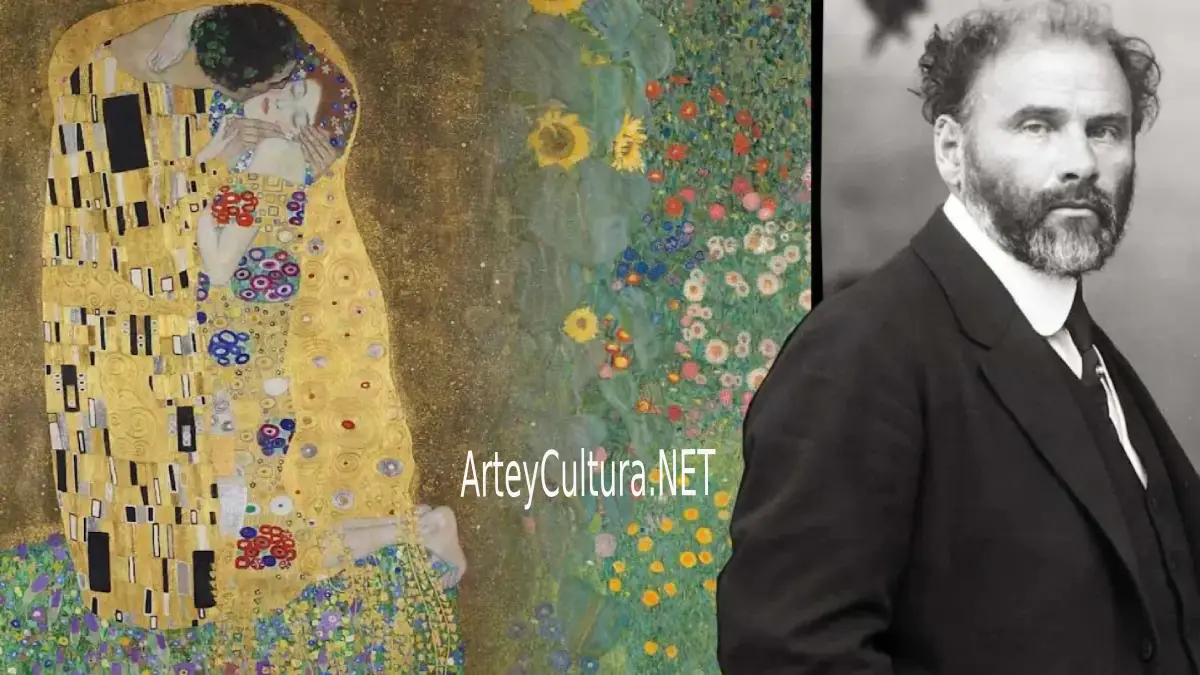
Gustav Klimt was born in Baumgarten, near Vienna, on July 14, 1862, and died in Vienna on February 6, 1918. His portraits, landscapes and allegories joined sensual human presence with ornament at a moment when Vienna was debating psychology, sexuality, design and modern life.
Academic success and public decoration
Klimt studied at Vienna’s School of Arts and Crafts. With his brother Ernst and Franz Matsch, he formed a successful decorative company that painted theatres and public interiors. This work gave him exceptional command of figure drawing, architectural scale and historical allegory.
His early honours came from the same official culture he would later challenge. The transition matters: Klimt’s mature experiments grew from technical mastery rather than rejection of craft.
Founding the Vienna Secession
In 1897, Klimt became a founding member and first president of the Vienna Secession. The group sought freedom from conservative exhibition systems and introduced Austrian audiences to international modern art.
Its ideal brought painting, architecture, typography, furniture and applied arts into dialogue. Klimt’s Beethoven Frieze embodied this ambition by joining mural scale, symbolic narrative and the decorative environment.
A visual survey of Klimt
This language-neutral sequence set to music compares portraits, landscapes and allegories. Faces and hands often retain volume while clothing and backgrounds become flattened fields of spirals, squares and organic signs.
Controversy and independence
Klimt’s paintings for the University of Vienna—Philosophy, Medicine and Jurisprudence—were condemned as obscure and erotic. He returned the payment and recovered the works, withdrawing from major state commissions.
The conflict strengthened his independence and revealed the limits of official tolerance. The paintings were later destroyed by fire in 1945; photographs and studies preserve only partial evidence of their ambition.
The Golden Phase
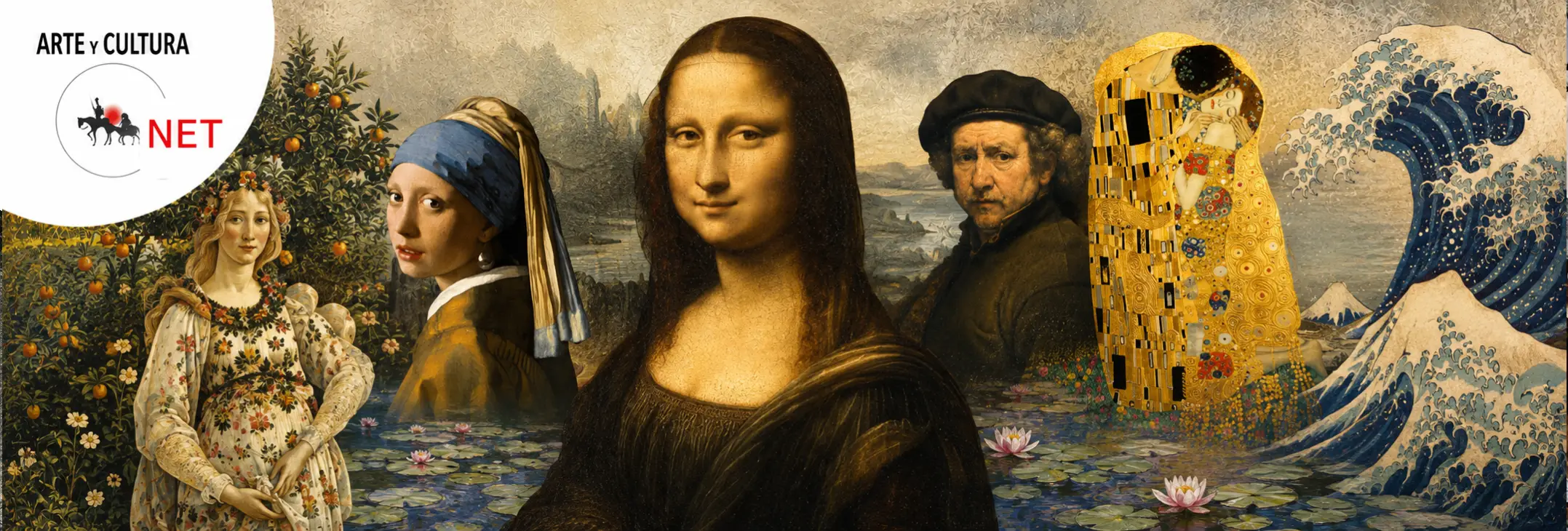
Gold leaf reached its most celebrated use in Portrait of Adele Bloch-Bauer I and The Kiss. Byzantine mosaics offered one source, yet Klimt transformed gold into a modern field where bodies hover between intimacy, icon and pattern.
His portraits also record the visibility and patronage of cultured Viennese women. Their identities should not disappear beneath the artist’s fame; patrons such as Adele Bloch-Bauer helped make this visual world possible.
Looking at The Kiss
This language-neutral trailer offers close views of the gold surface and patterned garments. The tension between embrace and ornament is crucial: the lovers appear intensely present while the surrounding design nearly dissolves their bodies.
Achievements and legacy
- Klimt helped define the visual identity of Viennese modernism.
- He renewed portraiture through the collision of observed likeness and abstract pattern.
- He strengthened exchange between fine art, architecture and decorative design.
- His example was important to younger Austrian artists, including Egon Schiele.
Klimt’s legacy survives not because gold is luxurious, but because he used splendour to make desire, mortality and identity visibly unstable.