Antonio López García: Observing Reality Without Haste
The life, working method, cityscapes, sculpture and achievements of Antonio López García, a Spanish artist for whom sustained observation is a form of knowledge.
- Antonio López García
- Spanish art
- realism
- Madrid cityscapes
- contemporary painting
- Spanish sculpture
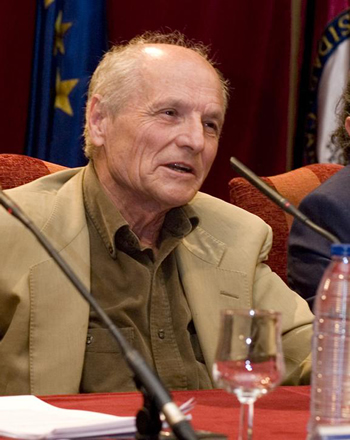
Antonio López García, born in Tomelloso, Ciudad Real, on January 6, 1936, is a Spanish painter and sculptor. He observes people, rooms, trees, food and Madrid cityscapes over long periods, allowing changes in light and time to become part of the work.
From Tomelloso to Madrid
His uncle, the painter Antonio López Torres, recognised his ability and encouraged his training. López moved to Madrid in 1949 and studied at the School of Fine Arts of San Fernando from 1950 to 1955.
He belonged to a circle that included Amalia Avia, Lucio Muñoz and the sculptors Julio and Francisco López Hernández. Although their approaches differed, these artists renewed figurative practice during decades when abstraction dominated many accounts of contemporary art.
Realism as a changing encounter
López does not treat reality as a fixed photograph waiting to be copied. He returns to the same motif across seasons or years, works only under particular natural light and changes the painting when the subject itself changes.
Completion therefore has no simple deadline. A canvas may remain unfinished because the correct light disappears, because construction alters the city or because further looking reveals that an earlier decision no longer feels true.
Watching the artist work
This Spanish-language portrait presents López and a broad selection of his work. It helps make visible the slowness of the method and the quiet intensity with which everyday subjects are measured.
Madrid as subject and duration
Views such as Gran Vía and Madrid from Torres Blancas show a recognisable city emptied of anecdotal bustle. López often chose dawn or another narrow interval of light, returning at the same time each year so that the atmosphere remained coherent.
The city is not merely background. Buildings, roads and distant haze register modern life as a structure continually altered by weather, construction and human absence.
Bodies, interiors and sculpture
His work also includes family portraits, domestic interiors, still lifes and sculpture. The long-running project Man and Woman demonstrates how measurement and revision can coexist with vulnerability. Monumental infant heads and public figures change the intimacy of the human body through scale.
Realism within modern art
This 2009 interview keeps Antonio López’s original Spanish voice and provides an English subtitled translation. His own account of observation, working time and artistic judgment is directly relevant to the method visible in the paintings.
Achievements and legacy
- He received Spain’s Prince of Asturias Award for the Arts in 1985.
- He was awarded the Velazquez Prize for Plastic Arts in 2006.
- His work gave post-war Spanish realism international visibility.
- His method influenced artists who understand attention, correction and duration as creative materials.
Antonio López’s achievement is not photographic resemblance alone. His art records the moral difficulty of looking carefully at a world that never agrees to remain still.