Hermann Guggiari: Sculpture, Freedom and Paraguayan Memory
The life, metal sculpture, civic commitment and cultural legacy of Hermann Guggiari, a defining figure in modern Paraguayan art.
- Hermann Guggiari
- Paraguayan art
- modern sculpture
- metal sculpture
- cultural memory
- Latin American art
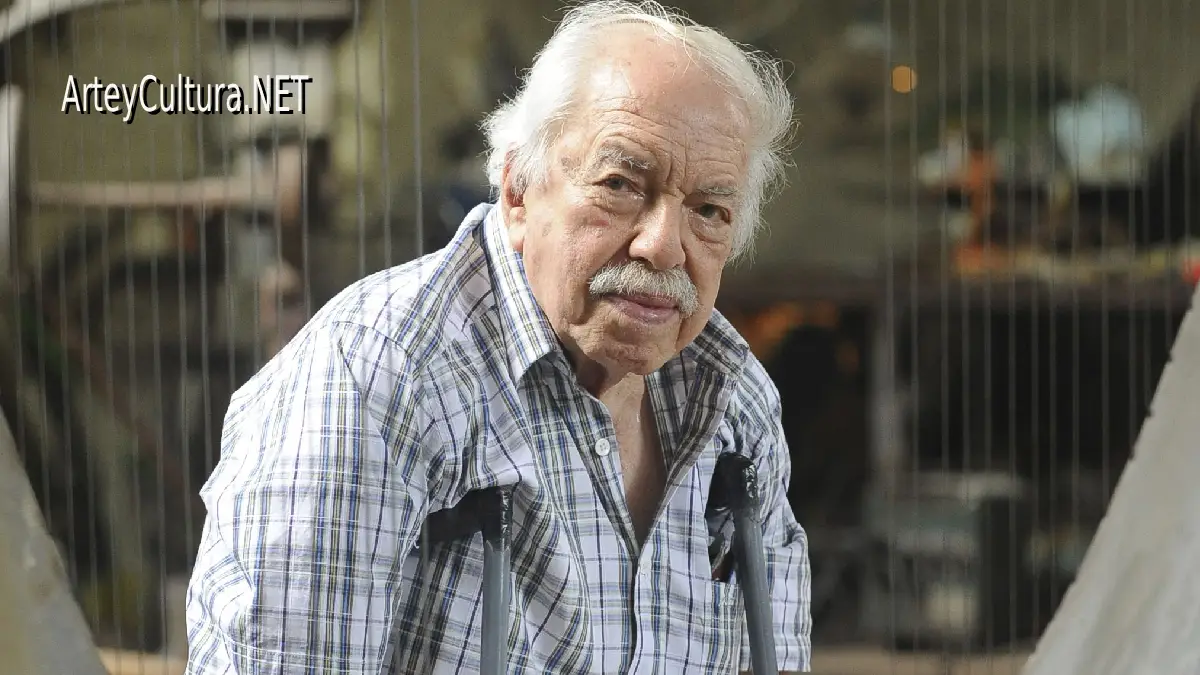
Hermann Bruno Guggiari Brun was born in Asunción on March 20, 1924, and died there on January 1, 2012. Engineer, sculptor and cultural organiser, he made metal speak about repression, spiritual aspiration, historical violence and the difficult possibility of freedom.
Engineering and artistic formation
Guggiari combined technical knowledge with a strong vocation for art. He trained in sculpture at the Ernesto de la Cárcova School of Fine Arts in Buenos Aires, where he encountered modern approaches to form while retaining an engineer’s understanding of weight, balance and structure.
That double formation became visible in works built from iron and steel. Cuts, welds, tension and empty space are not hidden construction details; they are active parts of the expression.
Exile and democratic commitment
The Paraguayan civil conflict of 1947 led to exile, and Guggiari’s democratic convictions later placed him in opposition to the dictatorship of Alfredo Stroessner. Detention, censorship and marginalisation gave urgency to his art without reducing it to literal political illustration.
Sharp metal, damaged surfaces and forms struggling to open can suggest wounded bodies or constrained lives. At the same time, many works preserve an upward energy that resists despair.
The sculptor in his own environment
This Spanish-language Paraguayan profile introduces Guggiari’s presence, studio environment and sculptural vocabulary. Even for viewers who do not speak Spanish, the close attention to materials reveals how physical labour and reflection met in his process.
Metal, void and movement
Guggiari accepted the hardness and industrial history of his materials. He pierced solid masses, projected rods into surrounding space and allowed corrosion or rough surfaces to remain visible. The result is sculpture that changes as the viewer walks around it.
His subjects ranged from religious meditation to political memory and ecological concern. Across these themes, the void often represents more than absence: it creates breath, passage and the prospect of liberation.
The Bosque de los Artistas
From 1970 to 1995, Guggiari organised exhibitions and gatherings in the Bosque de los Artistas. In a country without sufficient stable institutional support for contemporary art, the initiative gave artists a place to meet audiences and one another.
This work as a cultural organiser is essential to his biography. He did not understand artistic achievement as an isolated career; he helped create the conditions in which a broader community could be seen.
A Paraguayan tribute
This Spanish-language public-television tribute situates Guggiari within Paraguayan memory. Archival images connect the finished monuments with the political and social experience from which they emerged.
Achievements and legacy
- He was a principal renovator of twentieth-century Paraguayan sculpture.
- He joined engineering knowledge with a highly expressive treatment of metal and space.
- He defended democratic and cultural freedom under authoritarian rule.
- He sustained independent opportunities for generations of Paraguayan artists.
Guggiari’s legacy belongs equally to objects and public life. His sculpture gives durable form to injury and resistance, while his cultural initiatives show that freedom must also be built as a shared space.