Titian: Colour, Power and the Venetian Renaissance
The life, paintings and legacy of Titian, the Venetian master who used colour and evolving brushwork to shape sacred art, mythology and portraiture.
- Titian
- Venetian Renaissance
- Italian painting
- colour
- Charles V
- mythological painting
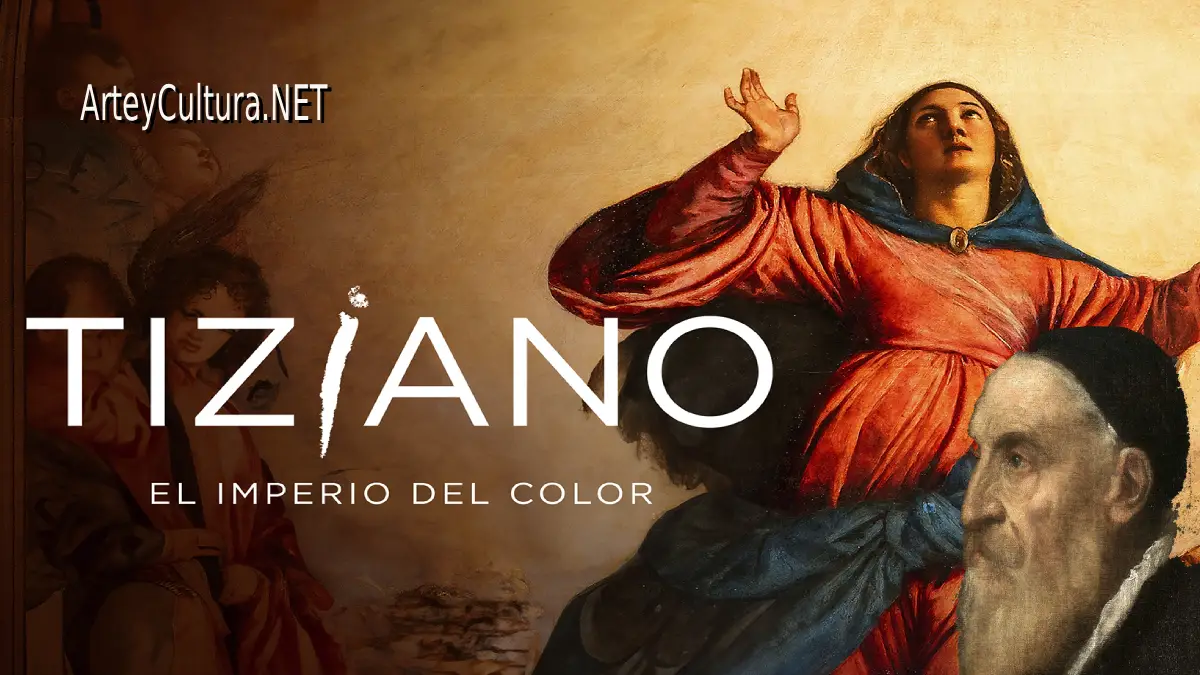
Tiziano Vecellio, known in English as Titian, was born in Pieve di Cadore around 1488–1490 and died in Venice on August 27, 1576. His exact birth year remains uncertain, but his position as a central master of Venetian Renaissance painting is secure.
Formation in Venice
Titian entered the workshops of Gentile and Giovanni Bellini and worked in proximity to Giorgione. Venice’s painting culture gave colour, atmosphere and the physical body of paint an authority often contrasted with the Florentine emphasis on design.
That contrast should not be made absolute. Titian drew and planned carefully, but colour did more than fill outlines: transitions of tone built flesh, fabric, distance, weather and emotion.
Public success and sacred drama
The Assumption of the Virgin, installed in the Frari church in 1518, established his command of monumental public painting. The composition unites earthly apostles, the rising Virgin and divine light through colour and upward movement.
Religious works range from luminous celebration to the broken surfaces of late paintings. Titian adapted sacred narrative to institutional scale and private devotion without repeating one formula.
A life across paintings
This English documentary surveys portraits, altarpieces and mythologies across Titian’s unusually long career. It helps viewers see stylistic evolution instead of treating Venetian colour as one unchanging technique.
Mythology and the gaze
Works such as Bacchus and Ariadne and the mythological paintings made for Philip II combine brilliant colour, erotic bodies and violent stories. They are formal achievements, but modern viewing also asks how female bodies are arranged for possession and how narratives of abduction are aestheticised.
The Venus of Urbino transformed the reclining nude into an intimate domestic image whose gaze directly engages the spectator. Its meaning remains debated among marriage, sexuality, status and pictorial self-awareness.
Portraits and political presence
Titian painted Emperor Charles V, Philip II, Pope Paul III and members of European courts. Pose, clothing and surrounding space construct power, while small asymmetries and guarded expressions preserve psychological tension.
King of painters
This English profile explains Titian’s international prestige and patronage. Comparing early and late works shows how increasingly open brushwork could remain descriptive at the intended viewing distance.
Late style and legacy
Late paintings use dragged highlights, broken colour and visible revisions. Their surfaces influenced later artists who valued paint as material presence.
- Titian made colour a structural and psychological force.
- He established durable models for European court portraiture.
- His mythologies joined narrative drama with complex sensuality.
- Velazquez, Rubens, Rembrandt and many later painters studied his work.
Titian’s legacy is the discovery that colour can think. Across sacred, political and mythological images, paint organises not only what bodies look like but how power, desire and mortality are felt.