Jesus Christ: History, Faith and Two Millennia of Art
A historical and cultural introduction to Jesus of Nazareth and the changing images through which Christian communities have represented him for two thousand years.
- Jesus Christ
- Jesus of Nazareth
- Christian art
- early Christianity
- Crucifixion
- Christ Pantocrator
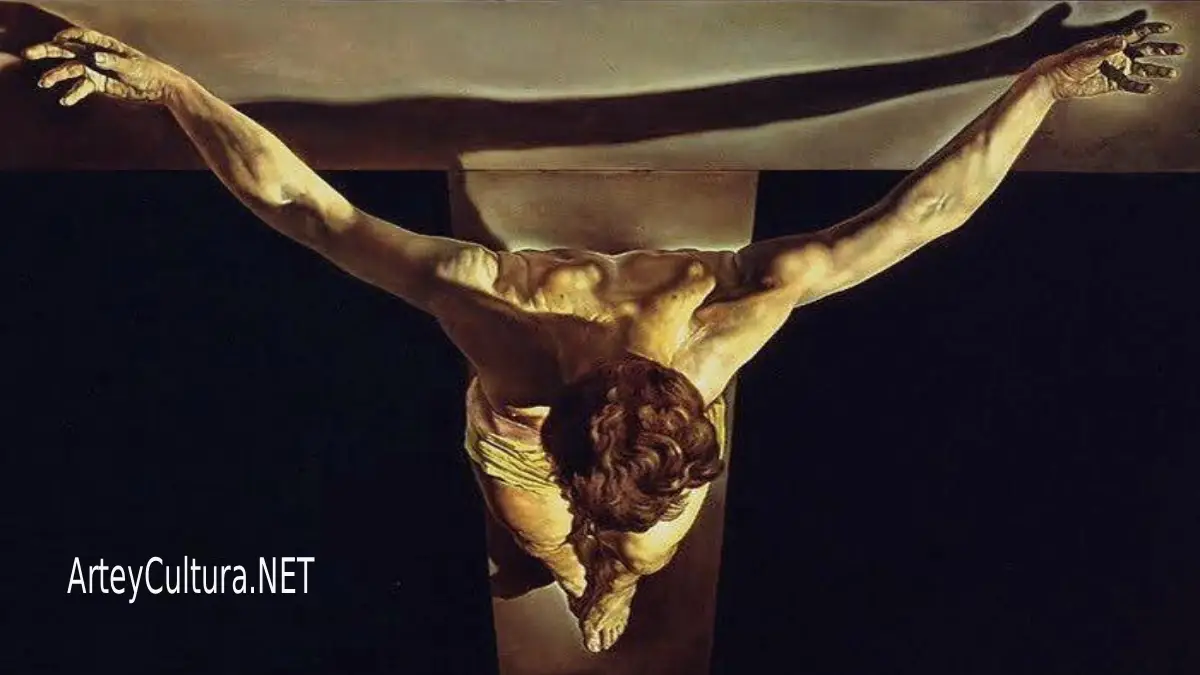
Jesus of Nazareth was a Jewish teacher active in Galilee and Judea during the early first century. Christian faith recognises him as Christ, Son of God and Saviour. Historians generally place his crucifixion under the Roman prefect Pontius Pilate, around the year 30 or 33.
Sources and historical context
The canonical Gospels are the principal narratives of Jesus’s life, written within early Christian communities. Letters attributed to Paul are earlier surviving Christian texts, while later non-Christian authors provide brief external references to Jesus and his followers.
Historical study and theology ask different questions. A historian can examine texts, Roman rule and Jewish religious life without deciding claims of faith; believers may understand the same events through revelation and worship.
Teaching, conflict and execution
The Gospel traditions describe teaching about the kingdom of God, love of neighbour, forgiveness, prayer and care for the marginalised. Jesus gathered disciples and used parables whose open form continues to invite interpretation.
His activity culminated in Jerusalem during Passover. Crucifixion was a Roman form of public execution associated with political order and social humiliation. Christian belief transformed the cross from an instrument of death into a sign of sacrifice, resurrection and hope.
From Jesus to the early Christian movement
This English PBS documentary examines the world of Jesus and his earliest followers. Historical specialists explain how a movement emerging from Judaism gradually developed communities throughout the Roman Empire.
The earliest visual language
No securely identified portrait made during Jesus’s lifetime survives. Early Christians often used indirect symbols such as the fish, anchor, shepherd and monogram. Images of Christ as a youthful teacher or Good Shepherd emphasised guidance and salvation.
After Christianity gained imperial support, majestic types such as Christ Pantocrator became prominent. Medieval crucifixes alternated between divine triumph and bodily suffering, revealing changing theological emphasis.
Renaissance, Baroque and global images
Renaissance artists studied anatomy and perspective while placing Gospel narratives in recognisable human spaces. Baroque painters used movement and light to intensify encounter. Across Africa, Asia and the Americas, communities represented Christ through local faces, materials and histories, sometimes within colonial systems and sometimes in resistance to them.
Depictions of Jesus in art
This English overview follows changing depictions across periods. It reinforces a crucial principle: an image of Christ is not a neutral physical record but an interpretation shaped by theology, artistic convention and the society that produced it.
Cultural reach and contested uses
The figure of Christ has inspired churches, icons, sculpture, painting, manuscripts, music, literature, theatre and cinema. The same imagery has served compassion and liberation, but has also been mobilised by states, empires and racial ideologies. Studying it requires attention to devotion and power together.
Historical and artistic legacy
- The teachings attributed to Jesus shaped the world’s largest religious tradition.
- His life generated one of history’s richest bodies of visual and musical culture.
- The cross became a globally recognised symbol through radical reinterpretation of execution.
- Diverse representations reveal how communities understand holiness, suffering and human dignity.
The history of Christ in art is therefore also a history of those who made and received the images. Every face tells viewers something about Jesus, but also about the hopes, fears and power structures of its own time.