

Jim Marshall: The Amplifier Maker Who Gave Rock Its Volume
The life and legacy of Jim Marshall, the drummer, teacher and entrepreneur whose British amplifiers transformed electric-guitar sound and stage culture.
- Jim Marshall
- Marshall amplifiers
- electric guitar
- rock music
- JTM45
- British music technology
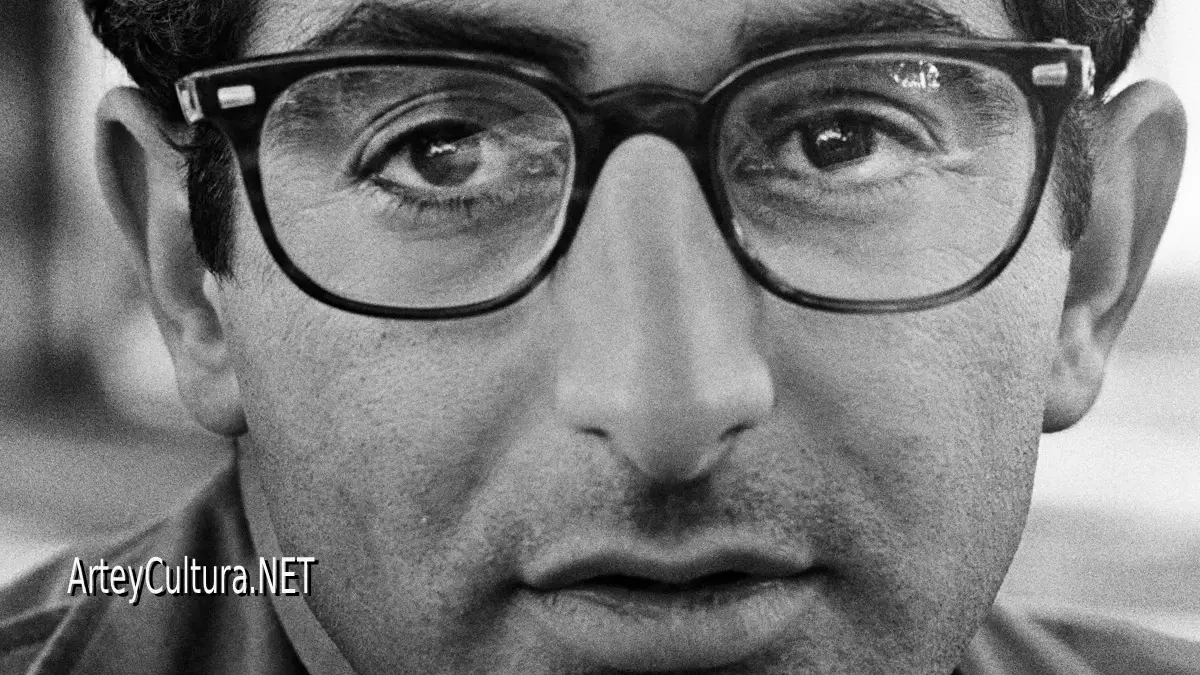
James Charles Marshall was born in London on July 29, 1923, and died in Milton Keynes on April 5, 2012. A singer, drummer, teacher and entrepreneur, he became known as the Father of Loud because the amplifiers bearing his name helped define the sound and image of rock.
Music before manufacturing
Childhood illness limited some physical activities, but Marshall developed as a singer and then a drummer. He performed professionally and taught younger musicians. That practical experience mattered: he understood equipment from the perspective of people who had to hear, carry and control it on stage.
In 1960 he opened a shop in Hanwell, London. Customers including emerging rock musicians asked for guitars, drums and an amplifier with a more forceful sound than imported American models could easily provide in Britain.
The first Marshall amplifier
Marshall worked with technician Ken Bran and engineer Dudley Craven to develop the JTM45, introduced in 1962. Its circuit drew on the Fender Bassman, but British components, valves, transformers and speaker cabinets gave it a distinct response.
When pushed, the amplifier compressed and produced rich harmonic distortion. What conventional engineering could regard as unwanted became expressive material shaped by pick attack, guitar controls and player feedback.
Hearing the history
This English history moves through major Marshall models and their sonic changes. It demonstrates that amplification does more than increase loudness: it modifies attack, sustain, harmonic content and the musician’s physical interaction with sound.
The stack and the stage
Pete Townshend and other musicians pushed for greater power and larger cabinets. The arrangement of amplifier heads above speaker cabinets became the Marshall stack, both practical equipment and a monumental stage image.
Jimi Hendrix, Eric Clapton, Jimmy Page and countless later guitarists used Marshall amplifiers. Their sounds differed because an amplifier is part of a system involving player, guitar, pedals, speakers, room and recording method.
The Father of Loud remembered
This English Marshall film recounts the founder’s history and the annual commemoration associated with his name. Its company perspective is balanced by concrete technical and musical evidence about the equipment’s adoption.
Achievements and legacy
- He helped turn amplifier distortion into a controllable musical resource.
- Marshall stacks transformed the sound and visual scale of rock performance.
- The company built a durable British identity in global music technology.
- He received an OBE in 2003 for services to music and charity.
Jim Marshall’s legacy is the creation of an instrument beyond the guitar itself. His amplifiers gave musicians a responsive field of pressure, colour and sustain through which a new musical language could be played.