Caravaggio: Dramatic Light and Unidealised Humanity
The turbulent life, radical naturalism and enduring legacy of Caravaggio, the painter who transformed Baroque storytelling through light and human presence.
- Caravaggio
- Baroque art
- chiaroscuro
- Italian painting
- The Calling of Saint Matthew
- Rome
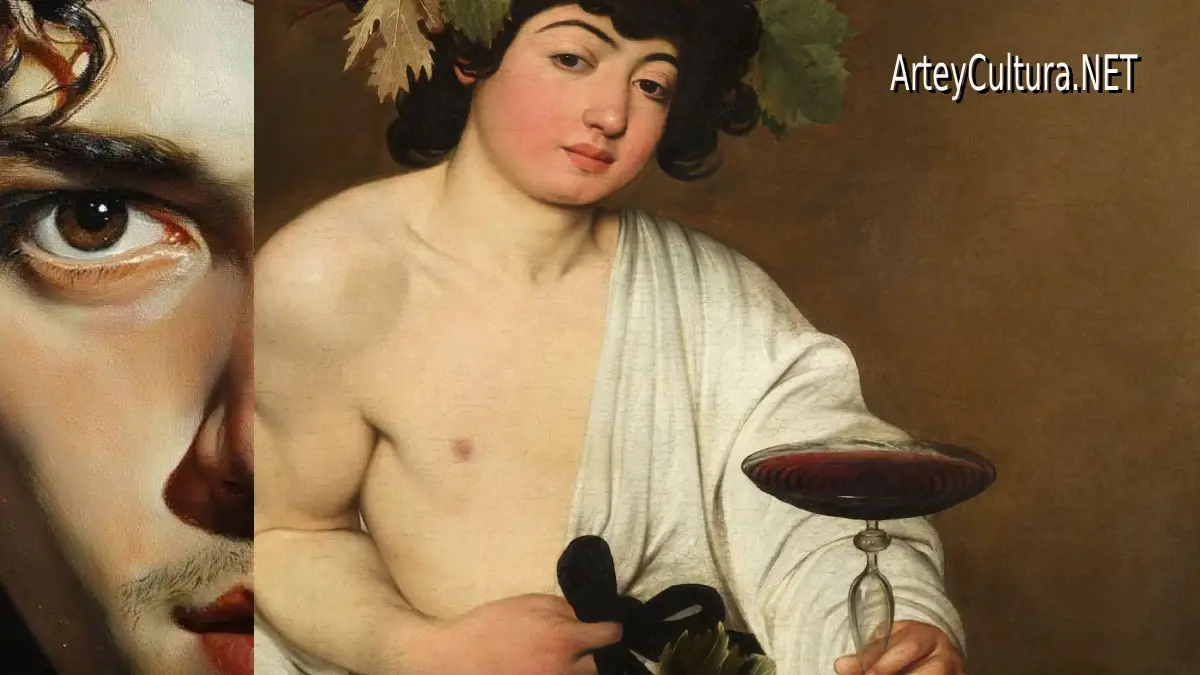
Michelangelo Merisi, known as Caravaggio, was born in Milan on September 29, 1571, and died at Porto Ercole on July 18, 1610. His religious and mythological paintings changed European art through forceful naturalism, compressed action and light that behaves like a dramatic event.
From Lombardy to Rome
Caravaggio trained in Milan, where northern Italian traditions encouraged attention to visible reality. He reached Rome during the early 1590s and struggled before entering influential patronage networks. Early still lifes and half-length figures already showed physical immediacy and close observation.
The commission for the Contarelli Chapel established his reputation. In The Calling of Saint Matthew, ordinary men sit around a table in contemporary dress as a beam of light and Christ’s gesture identify a spiritual turning point.
Life and style through three paintings
This English National Gallery film uses three works to explain Caravaggio’s development. Close attention to pose, lighting and paint shows why his realism is constructed with great formal discipline rather than simply copied from street life.
Sacred subjects and recognisable bodies
Caravaggio’s apostles, pilgrims and saints have wrinkles, dirty feet and weight. Models drawn from everyday Rome brought sacred history into the viewer’s physical world. Some patrons rejected works, although stories of universal scandal have often been exaggerated by later legend.
His tenebrism places strongly illuminated forms against deep darkness. Light directs time and attention: revelation appears not as ornament but as the instant in which a body reacts.
Violence, flight and late painting
Caravaggio’s documented record includes arrests and conflict. In 1606 he killed Ranuccio Tomassoni during a violent encounter and fled Rome under a death sentence. He worked in Naples, Malta and Sicily while seeking a papal pardon.
The late paintings often use wider darkness, fewer figures and increasingly fragile bodies. Caravaggio died while attempting to return toward Rome; the precise medical circumstances remain uncertain.
The turbulent career reconstructed
This English documentary follows the artist across Italy and Malta. It is most useful when separating archival evidence and surviving works from the romantic image of a criminal genius driven only by instinct.
Achievements and legacy
- He transformed light into a central agent of pictorial narrative.
- He brought unidealised bodies and immediate emotion into sacred painting.
- His compositions influenced Artemisia Gentileschi, Jusepe de Ribera, Rembrandt and generations of Caravaggisti.
- His life demonstrates both artistic innovation and personal responsibility for violence.
Caravaggio’s legacy does not require turning crime into glamour. The paintings remain revolutionary because their carefully staged reality makes distant stories feel physically and morally present.