Carlos Fuentes: Memory, Power and Mexican Identity
The life, novels, essays and legacy of Carlos Fuentes, a central author of the Latin American Boom and winner of the Cervantes Prize.
- Carlos Fuentes
- Mexican literature
- Latin American Boom
- The Death of Artemio Cruz
- Aura
- Terra Nostra
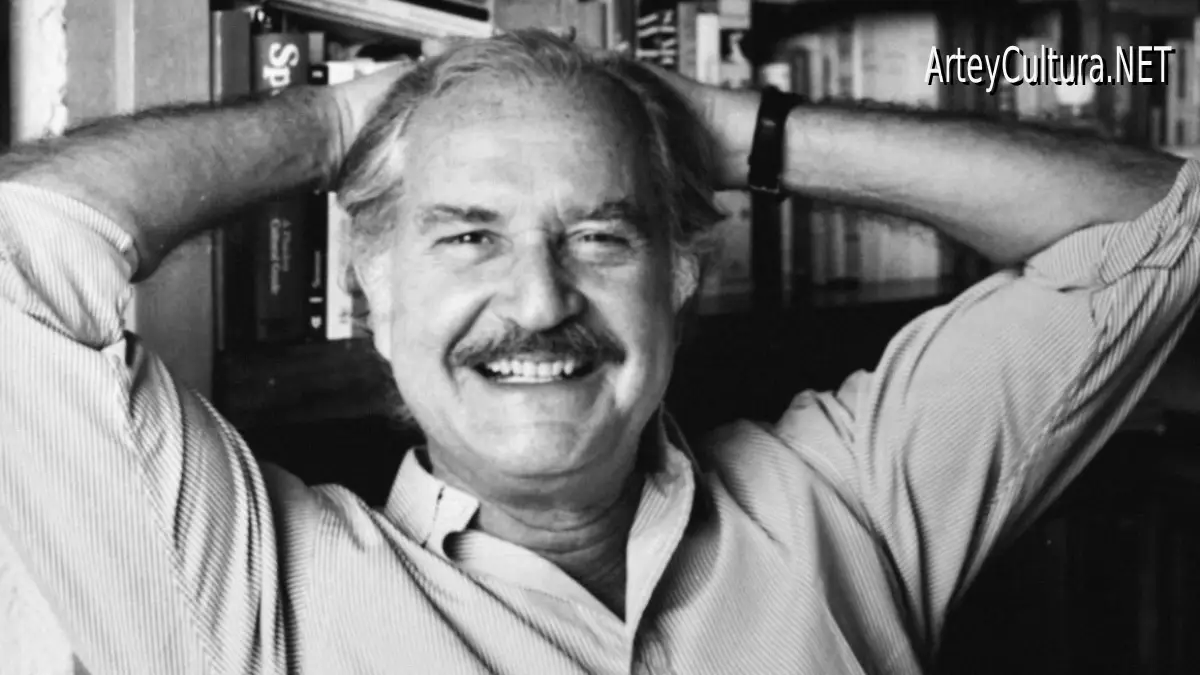
Carlos Fuentes Macías was born in Panama City on November 11, 1928, and died in Mexico City on May 15, 2012. A Mexican novelist, essayist, diplomat and public intellectual, he was a central figure of the Latin American Boom and a tireless interpreter of Mexico’s history and modernity.
A continental childhood
The son of a diplomat, Fuentes spent his childhood in several American capitals. He learned to view Mexico simultaneously as homeland, historical problem and international presence. Legal studies and early editorial work introduced him to the institutions and debates that would later animate his fiction.
With writers and artists of his generation, he helped create journals that opened Mexican cultural discussion to international modernism. His fiction absorbed William Faulkner, European experiment and the region’s own narrative traditions without abandoning political history.
The city and the Revolution
Where the Air Is Clear (1958) made Mexico City a collective protagonist of conflicting classes, memories and ambitions. The Death of Artemio Cruz (1962) uses shifting persons and times to examine the betrayed promises of the Mexican Revolution through the consciousness of a dying powerful man.
Aura (1962) compresses desire, identity and the supernatural into a brief second-person narrative. Later works such as Terra Nostra and The Old Gringo extended his inquiry to the Spanish world and the border between Mexico and the United States.
An English interview with Carlos Fuentes
In this English Charlie Rose conversation from 2011, Fuentes discusses literature and public life shortly before his death. His spoken clarity reveals how naturally he moved between narrative craft, history and contemporary politics.
History as an unfinished argument
Fuentes did not use the past as decorative background. Colonialism, revolution and modernisation persist inside his characters’ language and private decisions. Formal experimentation allows several versions of history to collide rather than letting one narrator control the truth.
His political positions changed and frequently provoked disagreement. That public role is part of his legacy, but the novels remain valuable precisely because they are more contradictory and polyphonic than a political statement.
Assessing the legacy
This English UCLA commentary, recorded after Fuentes’s death, places his achievements within Mexican and international literature. It offers a scholarly perspective on why his work matters beyond the celebrity of the Boom.
Awards and achievements
- He received the Rómulo Gallegos Prize in 1977.
- He was awarded the Miguel de Cervantes Prize in 1987.
- The Prince of Asturias Award for Literature followed in 1994.
- His novels transformed Mexican history into innovative structures of voice, time and memory.
- His essays sustained dialogue between Latin America, Europe and the United States.
Fuentes’s legacy lies in refusing a simple national portrait. Mexico appears in his work as a living argument among forgotten pasts, unequal presents and futures still open to imagination.