The Civilization of the Spectacle: Culture in an Age of Entertainment
A critical reading of Mario Vargas Llosa's 2012 essay about entertainment, cultural authority, journalism, politics and the value of demanding art.
- The Civilization of the Spectacle
- Mario Vargas Llosa
- cultural criticism
- mass media
- entertainment
- literature
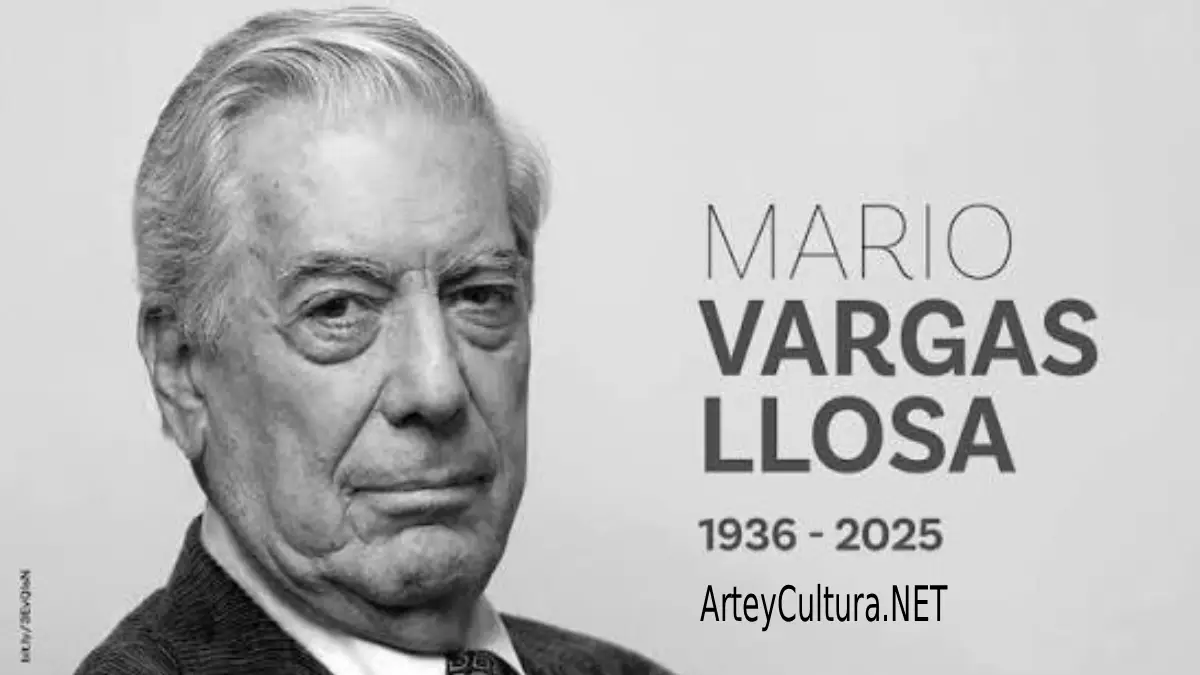
Published in 2012, The Civilization of the Spectacle gathers essays by Mario Vargas Llosa on what happens when entertainment becomes the dominant value of cultural life. The book addresses art, journalism, religion, politics, sexuality and the erosion of distinctions between public debate and spectacle.
Vargas Llosa was born in Arequipa, Peru, on March 28, 1936, and died in Lima on April 13, 2025. Novelist, essayist and winner of the 2010 Nobel Prize in Literature, he wrote from a liberal tradition that placed individual freedom and critical reading at the centre of democratic culture.
The central argument
The essay claims that culture once implied sustained knowledge, difficult judgement and contact with works capable of changing a reader. In the society of spectacle, immediate amusement becomes the principal measure. Politics adopts performance, journalism pursues scandal, and artistic reputation can depend more on publicity than achievement.
Vargas Llosa does not argue that pleasure is inherently shallow. His concern is the conversion of every sphere into distraction, leaving little space for experiences that require patience, context or discomfort.
The thesis in brief
This concise Spanish explanation is retained because it directly addresses the book and no equivalent pair of English videos was available. It identifies the links Vargas Llosa draws among celebrity, media simplification and the loss of cultural hierarchy.
Culture, elites and access
The argument invites serious objections. Who decides which works deserve authority? Can popular culture not be formally complex or politically revealing? Wider access to cultural production may weaken old gatekeepers while enabling voices previously excluded from institutions.
The book is strongest when it diagnoses speed, sensationalism and confusion between visibility and merit. It is less convincing when an earlier cultural order appears more coherent or democratic than it really was.
Literature and critical thought
In this English Nobel Prize video, Vargas Llosa argues that literature develops a critical attitude toward the world. That statement supplies the positive ideal behind his polemic: fiction allows readers to imagine alternatives and become dissatisfied with inadequate reality.
Reading the argument in the digital present
Algorithms, short-form platforms and permanent notification have intensified some problems named in 2012. At the same time, digital archives, independent publishing and educational media have widened access. The relevant question is therefore not whether a medium is automatically inferior, but what habits of attention and judgement it encourages.
Contributions and limitations
- The book names the confusion between fame and cultural merit.
- It connects media incentives with changes in politics and private life.
- It defends demanding reading as a democratic resource.
- Its sharp distinction between high and popular culture can overlook innovation outside elite institutions.
The continuing value of The Civilization of the Spectacle lies in debate rather than obedience. It asks readers to examine how they distribute attention, how institutions manufacture importance and whether entertainment has become a refuge from the work of understanding.