


Harriet Beecher Stowe: Literature, Abolition and a Contested Legacy
The life and legacy of Harriet Beecher Stowe, author of Uncle Tom's Cabin and a powerful literary voice in the American struggle over slavery.
- Harriet Beecher Stowe
- Uncle Tom's Cabin
- abolitionism
- American literature
- slavery
- nineteenth century
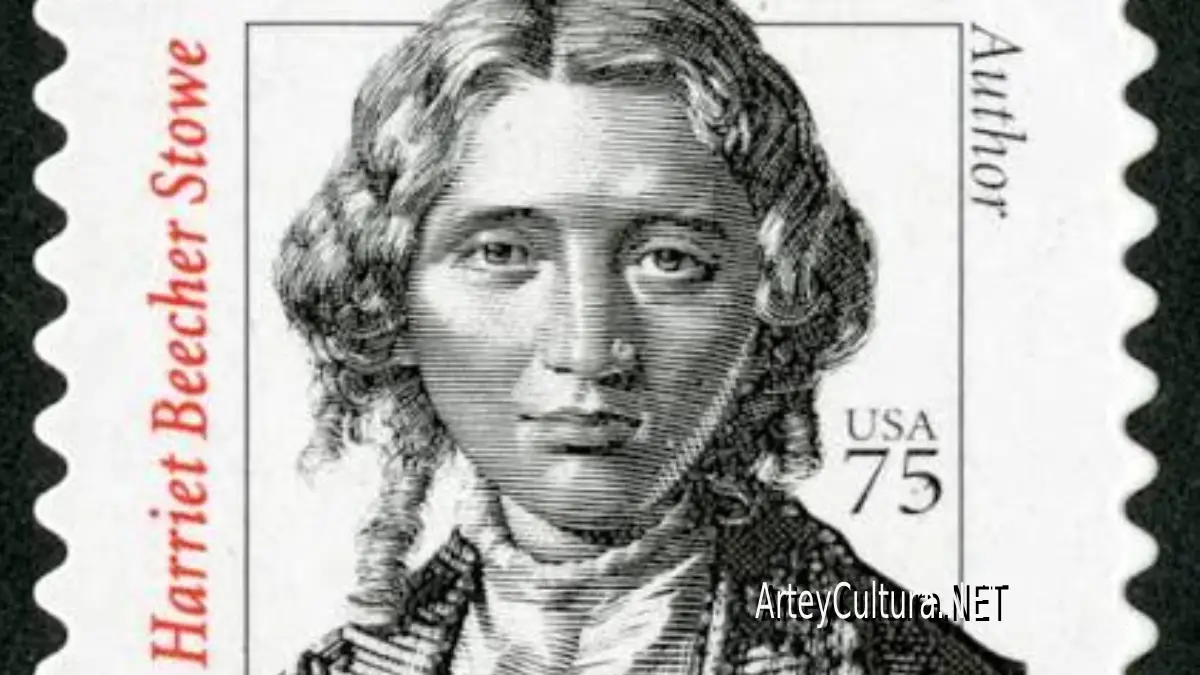
Harriet Elisabeth Beecher Stowe was born in Litchfield, Connecticut, on June 14, 1811, and died in Hartford on July 1, 1896. Her novel Uncle Tom’s Cabin turned the violence of slavery into an urgent subject for a vast reading public and made her one of the most influential American writers of the nineteenth century.
Education and the Beecher family
Stowe grew up in a prominent religious family. Her father, Lyman Beecher, was a Congregational minister, while several siblings became public reformers. She studied at the Hartford Female Seminary, founded by her sister Catharine, and later taught there.
After moving to Cincinnati, Stowe encountered national debates over slavery at close range. The city stood across the Ohio River from the slave state of Kentucky, and stories from formerly enslaved people, abolitionists and legal cases informed her understanding.
The making of Uncle Tom’s Cabin
The Fugitive Slave Act of 1850 compelled authorities and citizens in free states to assist in the capture of people who had escaped slavery. Stowe responded through fiction. Her story appeared in serial form in the National Era before publication as a book in 1852.
The novel follows several enslaved characters whose families, faith and lives are threatened by sale and violence. By joining domestic sentiment with political argument, it asked readers to recognise slavery not as an abstraction but as a system that destroyed human relationships.
An English biographical introduction
This English programme introduces Stowe’s life, religious background and literary career. It helps explain how a woman working outside formal political power used the mass circulation of fiction to intervene in a national moral crisis.
Influence on abolitionist culture
The book became an extraordinary commercial success in the United States and Britain. Stage adaptations, translations and public debate spread its characters far beyond the original text. Pro-slavery writers produced rebuttals, while abolitionists used the novel to strengthen opposition to the institution.
No single book caused the American Civil War, and the familiar story that Abraham Lincoln credited Stowe in those terms is not securely documented. Its genuine importance lies in how it changed public feeling and intensified an argument already reshaping the nation.
Stowe and The Abolitionists
This English PBS segment places Stowe within the wider abolitionist movement. It restores the collective context around the famous author: formerly enslaved activists, Black writers, organisers and political campaigners had long challenged slavery through testimony and action.
A contested afterlife
The novel attacked slavery, yet some of its racial characterisations are paternalistic. Later stage traditions distorted Uncle Tom into a submissive stereotype, far removed from important aspects of Stowe’s character. Modern readers therefore examine both the book’s abolitionist force and the limits of its white reformist viewpoint.
Achievements and legacy
- She brought an antislavery narrative to an unprecedented international readership.
- She demonstrated the political reach of serial publication and domestic fiction.
- Her career expanded the public authority available to nineteenth-century women writers.
- Debate around the novel remains central to the study of race, representation and cultural memory.
Stowe’s legacy demands historical precision. Uncle Tom’s Cabin was a powerful intervention against slavery, but its influence is best understood alongside the voices it amplified, the voices it displaced and the stereotypes created in its long cultural afterlife.