Pablo Picasso: Reinvention, Cubism and the Power of Guernica
The life, achievements and contradictions of Pablo Picasso, from the Blue Period and Cubism to Guernica and his immense influence on modern art.
- Pablo Picasso
- Cubism
- Guernica
- modern art
- Spanish art
- Georges Braque
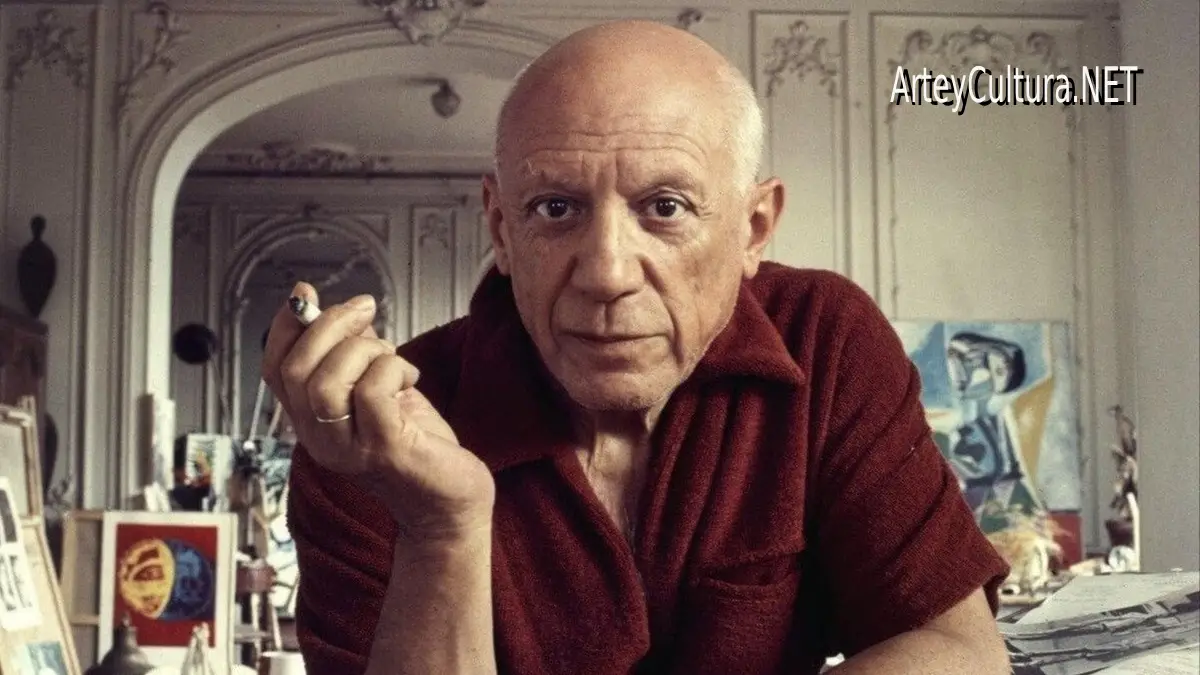
Pablo Ruiz Picasso was born in Málaga, Spain, on October 25, 1881, and died in Mougins, France, on April 8, 1973. Painter, sculptor, printmaker, ceramicist and stage designer, he repeatedly changed his visual language and became one of the defining figures of twentieth-century art.
Precocious training and the early periods
Picasso’s father was an art teacher who recognised his ability early. Academic training in Barcelona and Madrid gave him technical command, but life among artists and writers in Barcelona and Paris redirected his ambitions.
The Blue Period used cool colour and elongated figures to address poverty, grief and exclusion. The warmer Rose Period turned toward circus performers and itinerant entertainers. These labels simplify a complex development, but they show how style became a means of reorganising emotion.
The invention of Cubism
In collaboration and rivalry with Georges Braque, Picasso developed Cubism after 1907. Instead of presenting an object from one fixed viewpoint, their paintings fragmented forms and combined several visual cues. Analytic Cubism reduced colour while multiplying planes; Synthetic Cubism introduced collage, printed materials and more legible signs.
The movement altered assumptions about representation and influenced painting, sculpture, design and architecture internationally. Its innovations also drew upon African and Iberian objects that European modernists often removed from their original histories, a legacy that requires critical attention.
The history behind Guernica
This English BBC account explains the bombing of the Basque town of Guernica on April 26, 1937, and the commission for the Spanish Pavilion in Paris. It clarifies how Picasso transformed a specific wartime atrocity into a monumental image of civilian suffering.
A painting without easy closure
The black, white and grey composition gathers a screaming mother, a fallen warrior, a wounded horse, a bull and a harsh source of light. Picasso resisted assigning a fixed code to every figure. That refusal allows the work to condemn violence without turning pain into a simple allegorical puzzle.
From Cubism to Guernica
This English documentary follows Picasso’s transformations from Cubist experiment to political monument. Seen across decades, constant reinvention appears less like a sequence of fashions than a sustained refusal to let one successful manner become permanent.
Productivity and contradictions
Picasso produced an immense body of paintings, drawings, prints, sculpture and ceramics. That achievement coexists with difficult ethical questions. Accounts by partners and family members describe controlling and harmful relationships, and many works turn women into arenas for the artist’s desires and conflicts. Historical importance does not require ignoring those experiences.
Achievements and legacy
- He helped invent Cubism and expanded the formal possibilities of collage.
- He moved freely among painting, printmaking, sculpture, ceramics and theatre design.
- Guernica became an enduring international image against war.
- His influence shaped modernism while provoking continuing debate about appropriation, celebrity and power.
Picasso’s legacy is therefore neither a catalogue of masterpieces nor a verdict without tension. It is the record of extraordinary formal invention accompanied by personal and historical contradictions that responsible viewing must keep visible.