The City of Books and Images: A Library of Many Collections
The history and purpose of the City of Books and Images, a cultural project housed in the historic Biblioteca de México at La Ciudadela.
- City of Books and Images
- Biblioteca de México
- libraries
- personal libraries
- La Ciudadela
- Mexico City
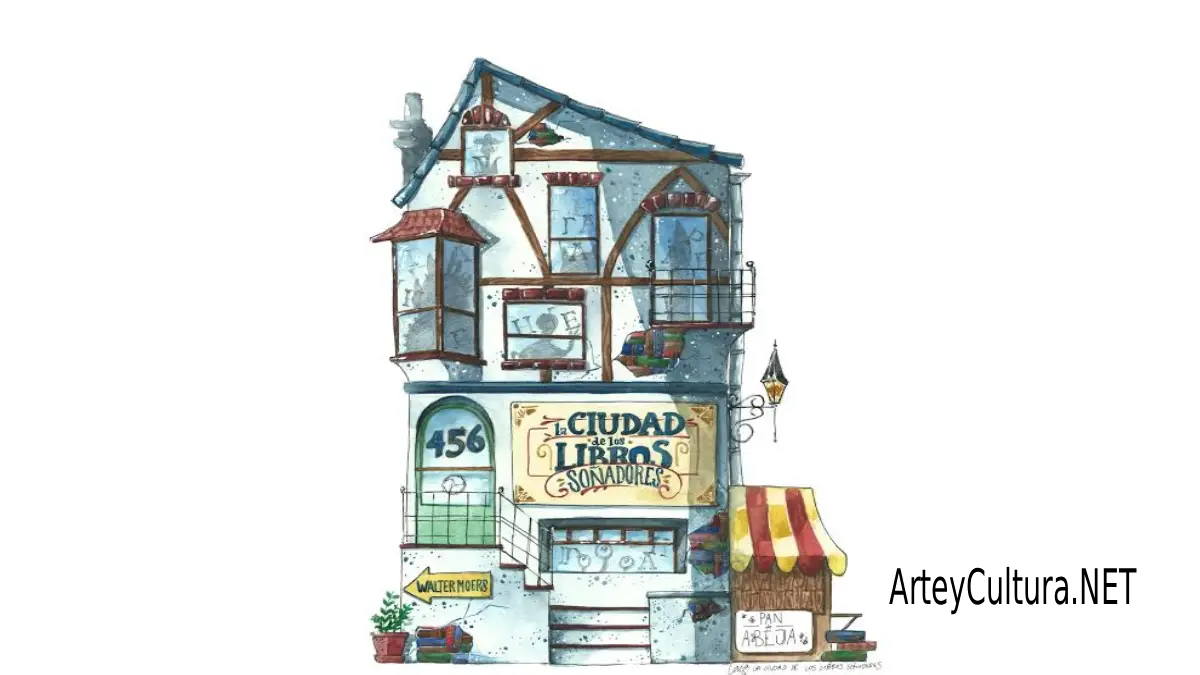
The City of Books and Images opened in 2012 within the Biblioteca de México at La Ciudadela in Mexico City. The project renewed a historic building and brought together personal libraries, reading rooms, accessible services, exhibitions, technology and cultural programs.
A building with several lives
La Ciudadela was constructed near the end of the colonial period and later served military and administrative purposes. It has housed the Biblioteca de México since 1946. Every use left physical and historical layers that contemporary architects had to preserve while adapting the complex to modern public needs.
Adaptive reuse is not a choice between freezing a monument and erasing its past. It asks how old walls can support present-day access, climate control, safety and changing forms of study.
More than storing books
A public library offers orientation, concentration and encounter. The project created spaces for individual reading, research, children, people with visual disabilities and cultural programming. Courtyards and connecting routes make the building operate like a small city in which readers can choose different speeds and degrees of privacy.
Personal libraries as intellectual portraits
The complex incorporated collections associated with José Luis Martínez, Antonio Castro Leal, Jaime García Terrés, Alí Chumacero and Carlos Monsiváis. Preserving a personal library can reveal more than titles. Marginal notes, dedications, shelf order and unexpected juxtapositions document networks of curiosity and friendship.
Walking through the City of Books
This Canal 22 film is in Spanish and is retained as a language exception because it gives a direct institutional tour unavailable in English. Its images show how historic fabric and contemporary insertions coexist. The library becomes understandable through movement from courtyard to collection, not through one monumental façade.
Architecture and conservation
Books require stable temperature, humidity and controlled light, while readers need comfort, openness and accessibility. The building continually negotiates between both sets of needs. Shelving, circulation and environmental systems are therefore part of cultural preservation rather than invisible technical additions.
Another library in the same city
This Spanish tour of the Biblioteca Vasconcelos offers a useful comparison with another major Mexico City library. Its monumental contemporary architecture differs sharply from La Ciudadela’s layered historical spaces. Comparing them shows that there is no single visual form for public knowledge: design should respond to collections, neighbourhood and patterns of use.
Technology with a public purpose
Digital catalogues, accessible consultation and audiovisual resources expand service. Technology does not replace books or librarians. It helps locate, connect and share materials, while professional guidance supports readers who do not begin with a precise title or search term.
Challenges of living collections
A library is never completed on opening day. Cataloguing, conservation, programming and staffing determine whether impressive architecture becomes a durable public institution. Personal collections also need contextual research so that their arrangement remains meaningful rather than merely picturesque.
Achievements and significance
- The project reused a heritage building for active public culture.
- It preserved personal libraries of major intellectual value.
- It integrated reading, research, images and cultural programming.
- It expanded services for readers with different needs.
A city of books is not defined by the number of volumes it contains. It exists when collections become accessible and every reader can discover a personal route through shared memory.