Víctor Merino: Music and Poetry from Callao
The life and legacy of Víctor Merino, a Peruvian poet, composer and singer-songwriter who transformed memories of Callao into intimate songs.
- Víctor Merino
- Peruvian music
- Callao
- poetry and music
- singer-songwriter
- musical setting
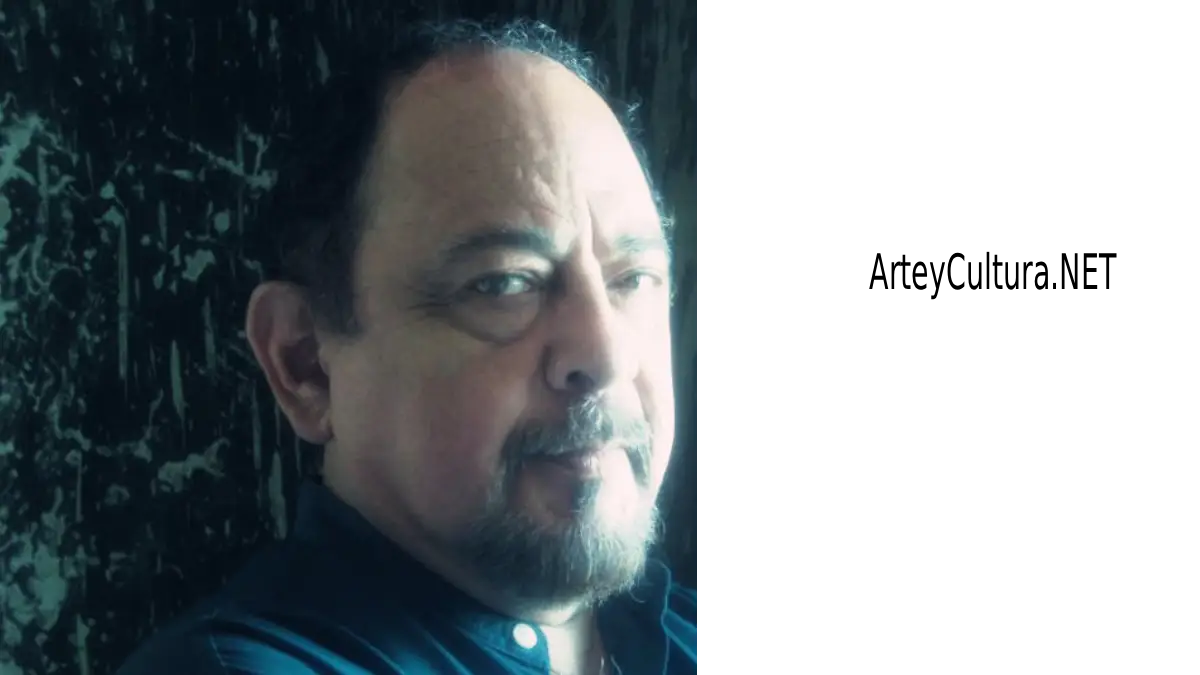
Víctor Merino was born in 1943 in Callao, Peru, and died in 2012. He was a poet, composer, performer and creator of musical settings for literary texts. Public documentation does not establish reliable full dates for his birth and death, so precision should not be manufactured. Recordings nevertheless preserve a distinctive voice rooted in the port city and in the meeting of word and music.
An identity formed by the port
Callao is a place of labour, transit, encounter and departure. In Merino’s work the port is not decorative geography. It orders memories, characters and a way of hearing daily life. Local identity becomes a perspective from which to speak to listeners beyond the city.
Poet and musician
The two crafts can cooperate or resist each other. A poem already possesses rhythm, emphasis and silence. Setting it to music requires deciding which words should stretch, repeat or remain unaccompanied. The composer is therefore an active reader who proposes one interpretation without exhausting the text.
Musical setting as interpretation
A melody can illuminate syntax and emotional direction, but it can also make a poem rigid if every ambiguity is resolved. Merino worked in the productive space between recitation and song. Voice and modest accompaniment kept attention on verbal meaning.
A musician with a poet’s heart
This 2011 interview is in Spanish and is retained as a documented language exception because no comparable English testimony exists. Its importance lies in direct evidence: Merino describes his path and allows rhythm, humour and hesitation to communicate aspects of his artistic personality unavailable in a written chronology.
The conversation presents poetry not as an activity separated from life, but as a method for arranging memory, affection and community experience.
Song, conversation and audience
A singer-songwriter often works close to listeners. Spoken introductions and imperfect live details can strengthen rather than weaken authenticity. In this setting, a concert resembles a gathering where explanation and song occupy one continuous space.
A concert in F major
This Spanish-language performance moves from testimony to musical practice. It shows how Merino phrases his own material and how sparse accompaniment gives verbal cadence room to breathe. The artistic value does not depend on abundant production; it arises through the relation between voice, text and attentive listening.
Why audiovisual preservation matters
For artists with local or independent circulation, one interview may become an essential historical source. Dates, context, credits and high-quality copies should be preserved so that future researchers do not depend only on fragmented recollection.
Regional creators in cultural history
Cultural narratives often concentrate on figures supported by large publishing or recording industries. Recovering musicians such as Merino expands the map. Influence can be intense within a city and among fellow artists even when national distribution remains limited.
Memory after 2012
Songs, interviews and the recollections of listeners sustain his presence. A continuing task is to organize repertory, authorship credits and archival documents so the work is not reduced to a few isolated online recordings.
Achievements and legacy
- He united poetry and composition within a personal voice.
- He represented the cultural memory and sensibility of Callao.
- He left direct testimony about his creative process.
- He demonstrated the expressive force of song built on words and closeness.
Víctor Merino belongs to those artists whose memory requires active care. Listening to him recovers not only one voice but part of the cultural life created from the port of Callao.